Whispers of routine, those unassuming allies, often hold the key to a life we barely recognize. Did you know that according to a study by Duke University, about 40% of our daily behaviors are driven by habit rather than conscious decision? Yet, in our fast-paced world, we chase grand transformations while ignoring the quiet power of simplicity. This oversight leaves many feeling stuck in cycles of stress and dissatisfaction. But here’s the benefit: by weaving simple habits into your lifestyle, you can unlock profound shifts in well-being, from sharper focus to deeper joy, without overwhelming your already busy days. Let’s explore why these understated changes matter more than you think.
My Accidental Discovery Through Daily Rituals
Picture this: five years ago, I was that guy glued to my desk until midnight, convinced that productivity meant non-stop hustle. Burnout hit hard, and simple habits like a morning walk felt like a luxury I couldn’t afford. Then, one foggy London morning—rain-slicked streets and all—I laced up my shoes on a whim. What started as a reluctant stroll turned into a daily ritual that reshaped everything. The fresh air cleared my mind, and soon, I noticed my stress levels dropping, my sleep improving. It’s not just me; experts call this “habit stacking,” where small actions build on each other to foster lifestyle changes for better well-being.
Honestly, I remember thinking, “This is too easy—where’s the challenge?” But that’s the point; habits don’t need to be monumental to matter. In my opinion, based on years of trial and error, it’s the consistency that sneaks up on you, like a favorite song that lifts your spirits without fanfare. And drawing from my British roots, it’s a bit like queuing patiently—seems mundane, but it keeps things orderly. Metaphorically, think of habits as the roots of a tree; unseen, yet they anchor and nourish the whole structure. This personal anecdote underscores a key truth: simple habits transform well-being by creating a foundation for resilience, one step at a time.
Ancient Echoes in Today’s Hustle
Fast-forward from my story to a broader lens: compare the stoic routines of ancient philosophers like Marcus Aurelius, who rose at dawn for reflection, to our modern obsession with apps and quick fixes. Back then, in the Roman Empire, daily meditations weren’t trendy—they were survival tools for mental clarity amid chaos. Today, we scroll through social media, chasing viral wellness trends, only to feel more disconnected. The irony? Those old-school practices, like journaling or mindful breathing, outperform flashy diets in sustaining long-term well-being.
Take a moment to imagine a conversation with a skeptical reader: “Sure, but who has time for that in 2024?” I’d counter with this: it’s not about adding more; it’s about integrating what’s timeless. For instance, in Japanese culture, the concept of “kaizen”—small, continuous improvements—has driven everything from manufacturing to personal health for centuries. Similarly, adopting a simple habit like drinking a glass of water first thing can mirror this, hydrating your body and mind without the drama. And that’s when it hits you: these aren’t just habits; they’re bridges from historical wisdom to your everyday life, proving that transforming well-being doesn’t require reinvention, just a nod to what’s worked before.
A Twist on Timeless Tools
Digging deeper, let’s flip the script: what if the real barrier isn’t time, but our underestimation of these tools? In pop culture, like in the series “The Office,” characters often stumble through life lessons via routines—think Michael’s misguided attempts at self-improvement. It’s a light-hearted jab, but it highlights how ignoring small habits leads to bigger messes. The truth? Pairing ancient insights with modern tweaks, such as using a phone reminder for a nightly gratitude practice, can yield measurable results, like reduced anxiety as per recent psychological studies.
The Subtle Traps and Quiet Victories of Habit Building
Here’s a problem we all face: we glorify overnight success, only to overlook how simple habits quietly dismantle barriers to well-being. Irony alert—while we’re busy envying influencers’ perfect lives, it’s the unglamorous routines that deliver. For me, ditching late-night scrolling for a bedtime reading habit wasn’t a cure-all, but it chipped away at my insomnia over months. The solution lies in starting small: identify one trigger, like post-dinner fatigue, and attach a positive habit, such as a short stretch.
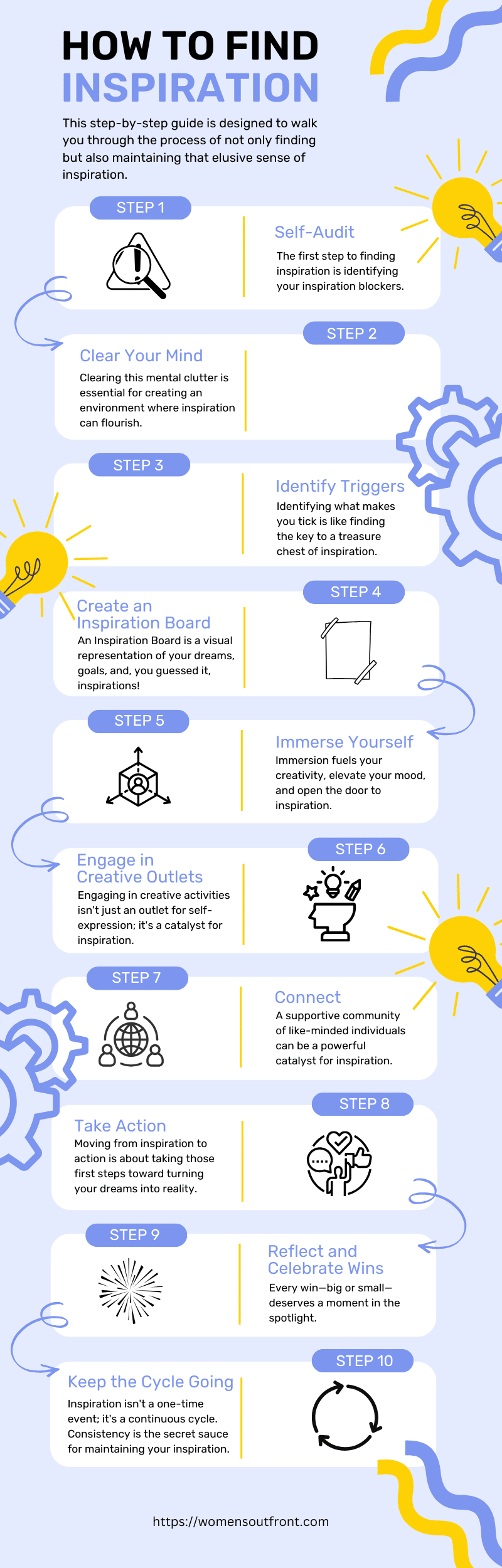
To make this concrete, let’s break it down—1. Spot your weak spot, like poor sleep. 2. Choose a doable habit, such as reading for 10 minutes. 3. Track progress without judgment, perhaps in a journal. This isn’t a rigid list; it’s a flexible guide to show how habit formation turns vague goals into tangible wins. And just like that piece of cake that’s surprisingly satisfying, these steps build momentum. In essence, the overlooked power here is how they foster emotional resilience, turning life’s uncertainties into manageable rhythms.
| Habit Type | Immediate Benefit | Long-Term Impact on Well-Being |
|---|---|---|
| Morning Walk | Boosts energy | Improves mental health and reduces stress |
| Daily Journaling | Clarifies thoughts | Enhances self-awareness and emotional stability |
| Healthy Snacking | Curbs cravings | Supports physical health and sustained energy |
This comparison isn’t exhaustive, but it illustrates how simple habits offer layered advantages, making them essential for a balanced lifestyle.
Reimagining the Everyday: A Final Reflection
In wrapping up, here’s a twist: what if the secret to well-being isn’t in chasing novelty, but in mastering the mundane? We’ve seen how simple habits transform well-being through personal stories, cultural ties, and practical steps. Now, take action—pick one habit from this article and commit to it for a week. You might just find the ripple effects surprise you. And finally, reflect on this: what overlooked routine in your life could be the catalyst for lasting change? Share your thoughts in the comments; let’s turn insights into conversations.