Silent whispers linger. Anxiety, that uninvited guest in our daily lives, doesn’t discriminate—it’s the shadow following executives in bustling cities and parents in quiet suburbs alike. Yet, here’s the twist: while we chase pills and therapies, mindfulness offers a free, timeless antidote. In this piece, we’ll dive into why mindfulness isn’t just a buzzword but a genuine lifestyle shift that can slash anxiety levels, giving you back control over your mental space. Let’s unpack this together, drawing from real experiences and science, so you can step into a calmer tomorrow.
My Accidental Dive into Inner Peace
Picture this: I’m hunched over my desk, heart racing like a runaway train, deadlines piling up like autumn leaves. That was me, a few years back, in the heart of New York City’s relentless grind. I never meant to try mindfulness; it sounded too woo-woo for my type-A personality. But after a particularly brutal week—think back-to-back meetings and zero sleep—I stumbled upon a guided meditation app, almost as a joke. And that’s when it hit me, you know? The first session was awkward, my mind wandering everywhere, but gradually, I felt this weird shift, like finally exhaling after holding my breath.
This isn’t just my story; it’s a common thread in the mindfulness tapestry. Mindfulness reduces anxiety by rewiring how we respond to stress, according to studies from the American Psychological Association. I remember thinking, “Wait, is this really working?” Yet, over months, my anxiety spikes dropped from daily occurrences to rare blips. It’s like comparing a stormy sea to a still pond—mindfulness teaches you to observe waves without getting swept away. Personally, I swear by it; in my opinion, it’s the unsung hero of modern lifestyle changes, especially in a culture that glorifies busyness. And for us Americans, always chasing the next big thing, it’s a gentle reminder that pausing isn’t weakness—it’s smart living.
Ancient Echoes in a Wired World
Fast-forward from the serene gardens of ancient Buddhist monks to our smartphone-saturated reality. Mindfulness isn’t some new-age fad; it’s rooted in practices dating back thousands of years, like the Zen traditions of Japan or the meditative rituals in Indian yoga. Think about it: while our ancestors sat under banyan trees contemplating life’s impermanence, we’re scrolling through endless feeds, anxiety levels skyrocketing as a result. This contrast hits hard—benefits of mindfulness have been documented across cultures, yet we’ve traded that wisdom for notifications that keep us on edge.
In Europe, for instance, countries like Sweden embrace “fika,” a coffee break that’s basically a mindful pause, correlating with lower stress rates. Back home in the States, we’re still playing catch-up, but the science backs it up: a Harvard study shows mindfulness meditation can physically alter the brain’s amygdala, the fear center, reducing anxiety over time. It’s like upgrading from a flip phone to a smartphone—suddenly, you’re handling life’s chaos with more ease. I often muse that if mindfulness were a historical figure, it’d be like Gandhi’s non-violence philosophy applied to our inner battles; it’s about quiet strength, not explosive reactions. And just there, in that cultural bridge, lies the key to a more balanced lifestyle.
The Subtle Trap of Overthinking and How to Outsmart It
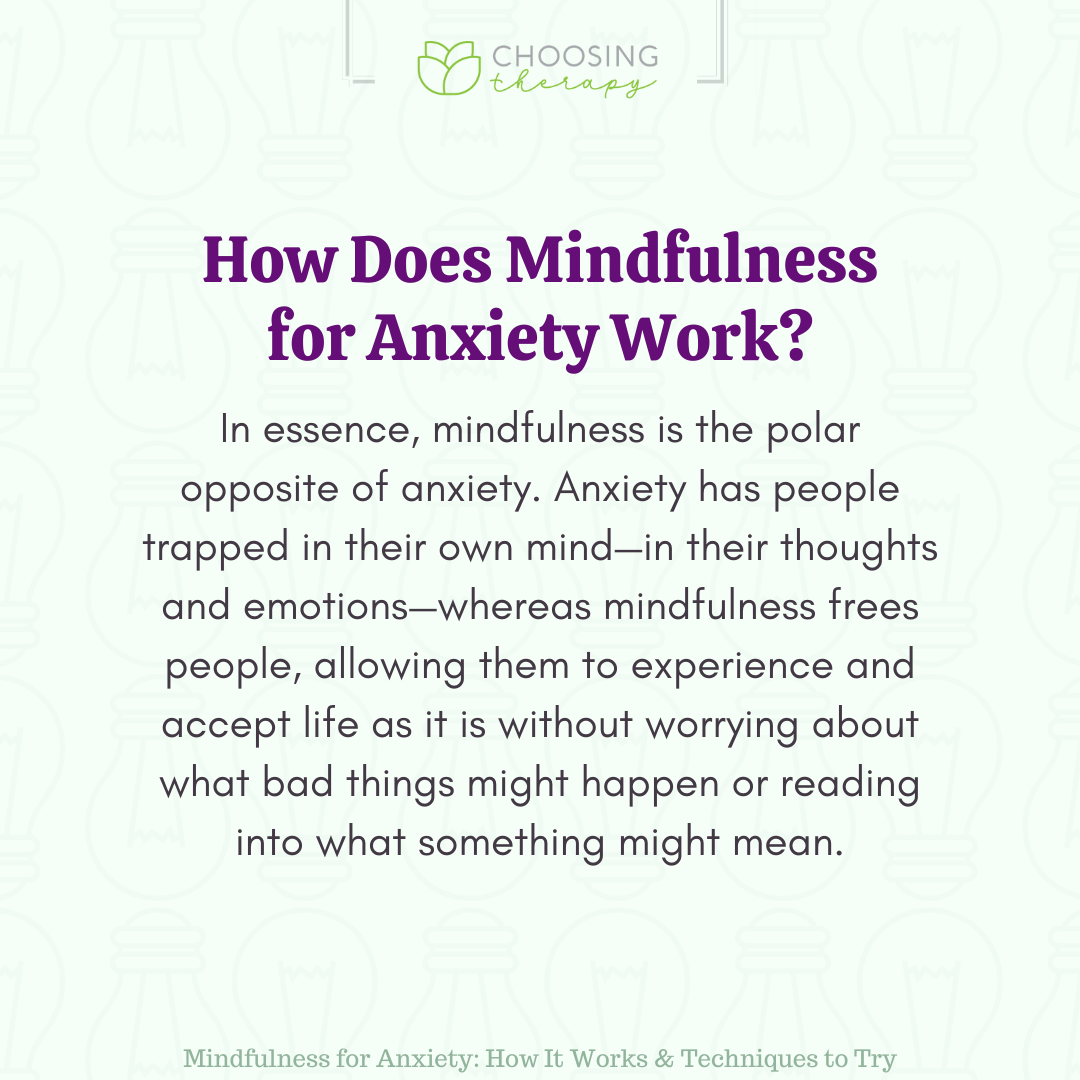
Here’s the irony: in our quest for productivity, we overthink everything, turning minor worries into full-blown anxiety storms. It’s like trying to solve a puzzle with gloves on—everything feels clumsier. But mindfulness flips the script, encouraging us to sit with our thoughts without judgment, which, let’s face it, is easier said than done in a world obsessed with quick fixes. Reducing anxiety through mindfulness isn’t about erasing problems; it’s about changing your relationship with them, much like how therapy in pop culture hits like “Inside Out” shows emotions as characters we can manage, not monsters to fear.
Take a moment—literally. Try this mini experiment: next time anxiety creeps in, pause and label your feelings. “This is frustration,” or “Here’s worry.” It’s not magic, but over weeks, you’ll notice patterns, much like debugging code in a software project. From my experience, incorporating mindful living practices into daily routines—like a simple five-minute breath focus—has been a game-changer, turning what was once a vicious cycle into a manageable flow. And for those skeptical, remember, it’s not about perfection; it’s about progress, piece by piece.
A Fresh Lens on Everyday Serenity
In wrapping this up, here’s the twist: mindfulness doesn’t just reduce anxiety; it transforms how you experience life, making the ordinary feel profound. Instead of viewing it as another task, see it as your secret weapon for a richer lifestyle. So, take action now—grab a quiet spot and try a one-minute mindfulness exercise: focus on your breath, in and out. What changes when you do? I dare you to share in the comments: How has anxiety shaped your days, and are you ready to challenge it with mindfulness?