Silent pages whisper secrets that screens can’t capture. In a world obsessed with instant gratification, journaling—a simple, pen-to-paper ritual—stands as a quiet rebellion against the chaos. Yet, here’s the uncomfortable truth: while over 70% of people report high stress levels in modern surveys, only a fraction turn to this age-old practice. Why? Because we underestimate its power to untangle our minds, fostering mental clarity and emotional resilience. By the end of this article, you’ll discover how integrating journaling into your daily routine can transform your lifestyle, turning fleeting thoughts into a pathway for lasting well-being. Let’s dive in.
My Unexpected Journey with a Blank Page
Picture this: five years ago, I was drowning in a sea of deadlines, my mind a jumbled mess of worries that kept me up at night. Burnout loomed large, and honestly, I scoffed at the idea of journaling—thought it was just for pretentious writers or therapy junkies. But one rainy evening in London, after a particularly grueling day, I grabbed an old notebook from my shelf. “What’s the harm?” I muttered. And that’s when it hit me—pouring my thoughts onto the page felt like exhaling after holding my breath for too long.
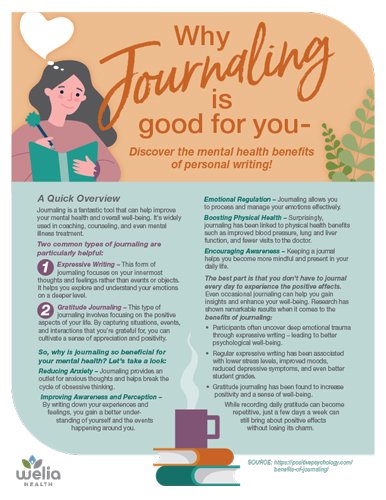
This wasn’t some made-up tale; it’s my real story. I started with simple prompts, like jotting down three things I was grateful for each day. Over time, journaling for mental health became my anchor, helping me spot patterns in my anxiety and build a routine that boosted my mood. It’s like comparing a cluttered attic to a neatly organized one—suddenly, you see what’s valuable. My opinion? In a culture that glorifies hustle, this practice offers a much-needed pause, fostering self-awareness without the pressure of social media likes. Remember, as the Brits say, “It’s not rocket science”; even a few minutes can make a difference. Through this, I learned that vulnerability on paper leads to real strength, a lesson that benefits of journaling extend far beyond mere words.
From Ancient Ink to Today’s Digital Diaries
Ever wondered how something as basic as keeping a diary has survived centuries? Let’s rewind to ancient Rome, where Marcus Aurelius scribbled his “Meditations,” turning personal reflections into timeless philosophy. Fast-forward to the 19th century, and you have figures like Virginia Woolf, whose journals captured the raw essence of mental struggles in a way that resonates even now. This isn’t just history; it’s a cultural thread that weaves through societies, from the haiku-filled notebooks of Japanese samurais to the modern blogs of millennials seeking mindfulness.
In the U.S., where self-help is almost a national pastime, journaling has evolved from leather-bound books to apps like Day One, yet the core remains: it’s a tool for boosting mental health through reflection. Think of it as an unexpected analogy—a bridge between the stoic wisdom of old and our fast-paced lives. Sure, there’s a myth that only the creatively inclined benefit, but the truth is harsher: anyone can use it to combat stress, as studies link regular writing to reduced symptoms of depression. Across cultures, from the reflective diaries in Indian yoga practices to European travel journals, this habit adapts, proving that daily journaling routines aren’t a fad but a universal key to emotional balance. As I see it, ignoring this is like skipping the foundation when building a house; it might stand for a while, but it’ll crumble under pressure.
Why Doubt Lingers and How to Flip the Script
Okay, let’s address the elephant in the room—many readers might think, “Journaling? That’s just navel-gazing for people with too much time.” Imagine a skeptical friend rolling their eyes: “What’s the point when life’s too busy?” Well, here’s a mini experiment to challenge that: grab a notebook right now and spend five minutes writing about a recent stressor. Don’t overthink it; just let the words flow. What do you notice? For me, that simple act once revealed hidden triggers, turning vague anxiety into actionable insights.
The problem is, in our “hustle harder” society, we often dismiss how journaling improves mental health as too passive. Irony alert: while we chase productivity apps, this low-tech method delivers real results, like lowering cortisol levels, as per recent lifestyle research. To solve it, start small—perhaps compare traditional pen-and-paper with digital options in a quick table:
| Method | Advantages | Disadvantages |
|---|---|---|
| Pen-and-Paper Journaling | Feels more intimate; no distractions; promotes mindfulness | Can be less accessible for on-the-go use |
| Digital Journaling Apps | Easy to search and organize; integrates with daily routines | May encourage superficial entries due to tech interruptions |
As you can see, both have merits, but the key is consistency. In a twist on pop culture, think of it like Ross from “Friends” with his obsessive lists—except here, it’s about self-discovery, not just humor. And just like that, you’ve bitten the bullet on starting your own practice.
A Final Twist on Inner Peace
Who knew that a humble notebook could rewrite your mental script? In wrapping up, consider this perspective flip: what if the key to a balanced lifestyle isn’t in grand gestures, but in those quiet, ink-stained moments? So, take action now—pick up a journal and jot down one thing you’re proud of today. It might just change everything. And speaking of reflection, how has exploring your inner world through writing reshaped your daily life? Share your thoughts; let’s keep the conversation going.