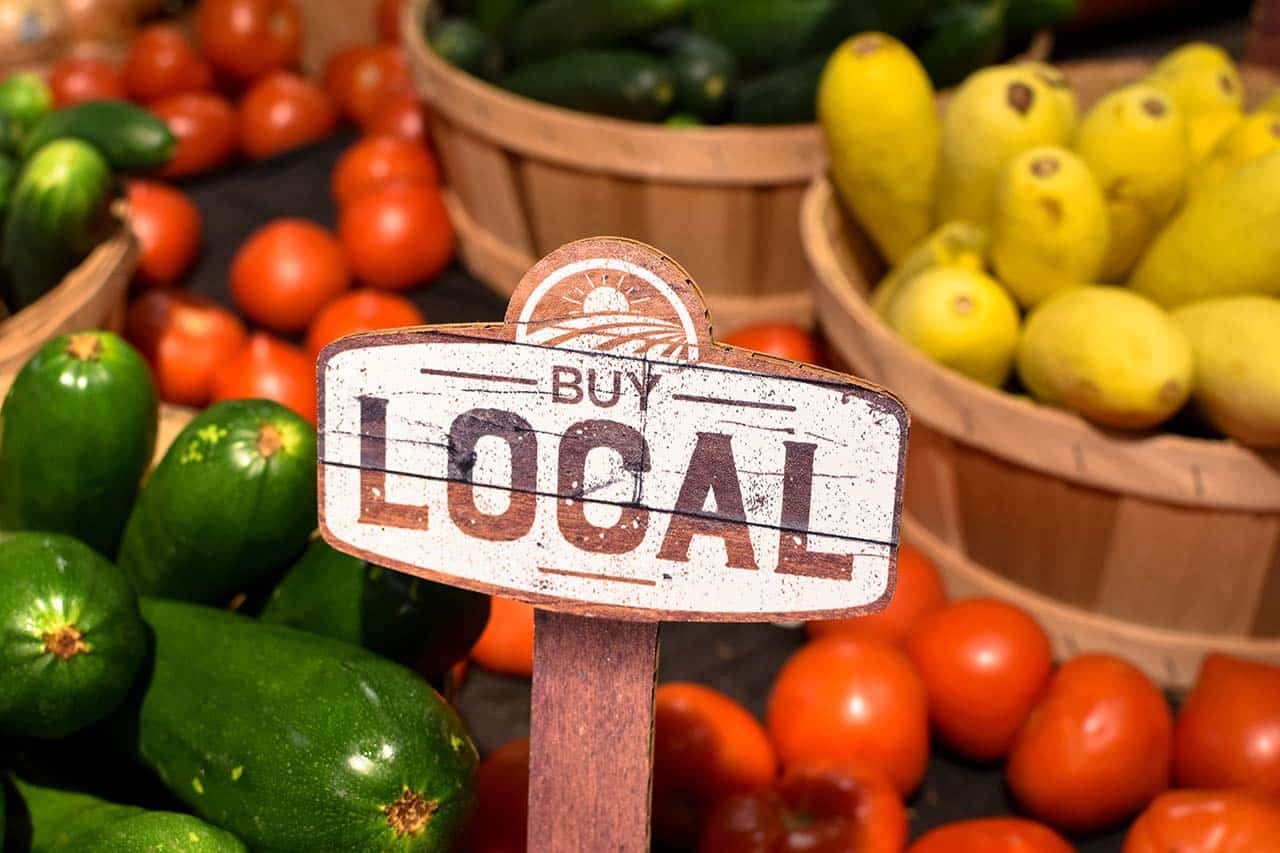
Fresh, fleeting, flavorful – that’s the essence of local produce that supermarkets often overlook. While global chains promise endless shelves of perfect fruits and veggies, the truth is, much of it travels thousands of miles, losing vital nutrients and flavor by the time it hits your plate. This disconnection from our food sources isn’t just a dietary downer; it’s a lifestyle pitfall that affects health, community ties, and even the planet. By learning where to source local produce, you gain fresher, more nutritious meals that support your local economy and reduce your carbon footprint. Let’s dive into why this matters and how to make it part of your everyday life.
My Unexpected Journey to the Farmers’ Market
I still remember that rainy Saturday morning when I stumbled upon my town’s farmers’ market, basket in hand and skepticism in my heart. Growing up in a bustling city, I was used to grabbing whatever was cheapest at the corner store, never questioning where it came from. But one day, after reading about the benefits of local produce sourcing, I decided to give it a try – and boy, was I in for a surprise. The vendors there weren’t just sellers; they were neighbors, sharing stories about their crops like old friends at a family reunion.
Take my first encounter with a sun-ripened heirloom tomato – it was nothing like the bland ones I’d been eating. That bite was a revelation, juicy and full of that earthy tang you don’t get from imports. It’s moments like these that taught me a real lesson: sourcing local isn’t just about food; it’s about reconnecting with the rhythms of nature and community. In the U.S., where “farm to table” has become a buzzword, this personal shift helped me appreciate the farmers’ markets as more than a trend – they’re a lifeline for sustainable living. And just like that, my weekly routine transformed, proving that small changes can lead to a healthier lifestyle without the hassle.
From Ancient Bazaars to Today’s Community-Supported Agriculture
Picture this: thousands of years ago, in places like ancient Rome or medieval European villages, people sourced their produce from local bazaars, fostering tight-knit communities where everyone knew the farmer down the road. Fast forward to now, and we’ve got community-supported agriculture (CSA) programs that echo those traditions, but with a modern twist. It’s fascinating how, in contrast to the impersonal supply chains of today, these historical practices prioritized freshness and relationships – something we’re desperately trying to reclaim.
In the U.S., CSAs let you subscribe to a box of seasonal veggies straight from nearby farms, cutting out the middleman and supporting small-scale growers. This isn’t just nostalgic; it’s a smart move for your lifestyle. Think about it: while imported goods might seem convenient, they often carry hidden costs, like increased pollution from long-haul transport. A comparison might help clarify – let’s break it down in a simple table:
| Aspect | Imported Produce | Local Sourcing (e.g., CSAs) |
|---|---|---|
| Freshness | Often weeks old, losing nutrients | Harvested same day, peak flavor |
| Environmental Impact | High carbon emissions from shipping | Lower footprint, supports local ecosystems |
| Community Benefits | Minimal direct support to locals | Boosts economy, builds relationships |
As you can see, switching to local options isn’t just a lifestyle upgrade; it’s a nod to those ancient ways that kept societies thriving. And that’s when I realized, in our fast-paced world, embracing this could be the key to a more grounded, fulfilling life.
The Overlooked Drawbacks of Non-Local Options and Smarter Alternatives
Here’s a truth that’s hard to swallow: relying on non-local produce might save time, but it quietly erodes the very fabric of a balanced lifestyle. I mean, who wants to munch on fruits that have been gassed and chilled for weeks when you could have something fresh from local farms? In my experience, diving into options like pick-your-own orchards or even online local directories has uncovered gems I never knew existed. For instance, searching for “best places to buy local vegetables near me” led me to a cooperative farm just a short drive away, where the air smells of fresh soil and possibilities.
To tackle this, start with a mini experiment: next time you’re grocery shopping, compare the labels. You’ll likely find that local sources offer varieties tailored to your region’s climate, packing more vitamins and that irresistible taste. It’s like upgrading from a generic brand to something homegrown – ironic, how the “easy” choice often leaves you wanting more. By exploring farmers’ markets, CSAs, or even community gardens, you’re not just fixing a problem; you’re investing in a lifestyle that’s healthier, more sustainable, and deeply rewarding. And don’t forget, in places like the American heartland, these spots are more than markets – they’re hubs of culture, where a simple chat can turn into lasting connections.
A Quick Tip from the Trenches
If you’re on the fence, try mapping out local options using apps like LocalHarvest – it makes finding sources for local produce as easy as scrolling your phone. No more excuses; it’s time to act.
Wrapping this up with a fresh perspective: what if sourcing local produce isn’t merely a choice, but a quiet revolution against the status quo of consumerism? It’s about crafting a life that’s not just lived, but savored. So, take the next step – visit your nearest farmers’ market this weekend and pick up something truly fresh. How has shifting to local sources reshaped your daily habits and health? Share your thoughts in the comments; I’d love to hear your story.