Whispers in chaos, the mind’s quiet rebellion. It’s ironic, really—while we’re all chasing productivity hacks and quick fixes in this fast-paced world, many overlook meditation as a simple tool for sanity. But here’s a truth that stings: ignoring mental health can lead to burnout, affecting everything from your relationships to your career. Starting a meditation practice isn’t about escaping life; it’s about embracing it with clarity and calm. By diving in at the right time, you’ll unlock benefits like reduced stress and improved focus, making your daily routine more manageable and fulfilling. So, if you’re wondering when to start meditation, let’s explore that together, drawing from real experiences and insights that might just resonate with your own hustle.
My Unexpected Journey into Stillness
Picture this: I’m in my mid-30s, juggling a demanding job in the city and family obligations, when suddenly, a panic attack hits out of nowhere. It was during a routine commute—traffic blaring, coffee spilling—that I realized something had to give. I’d always thought meditation was for those serene types on mountain tops, not for someone like me, glued to screens and deadlines. But boy, was I wrong. I remember starting with just five minutes a day, sitting on my cluttered couch, trying to focus on my breath. At first, it felt awkward, like trying to catch smoke with your hands. Yet, over weeks, that practice became my anchor, teaching me that meditation for beginners doesn’t require perfection—it’s about showing up.
This personal anecdote isn’t just filler; it’s a lesson in timing. I believe the best moment to start is when life’s pressures start to overwhelm, not when you’re already at rock bottom. Think about it: in the UK, where I’m from, we often use the phrase “keep calm and carry on,” but sometimes, you need to pause that carry-on. Meditation helped me reframe stress as a signal, not a sentence. And just like that old British stiff-upper-lip mentality, it reinforced that vulnerability isn’t weakness—it’s the start of real strength. If you’re feeling that internal tug, don’t wait; it’s your cue to begin.
From Ancient Roots to Everyday Resilience
Ever wondered how something as timeless as meditation fits into modern life? Let’s bust a common myth: it’s not just an Eastern tradition reserved for monks in far-off temples. The truth is uncomfortable—meditation has evolved from ancient practices like those in Buddhist texts to a global staple, yet many in the West still see it as “woo-woo.” Take, for instance, how mindfulness draws from historical figures like the Stoics, who meditated to build mental fortitude amidst Roman chaos. Compare that to today: in bustling cities like London, people are turning to apps for daily meditation routines, proving it’s adaptable.
Here’s an unexpected analogy: meditation is like upgrading your phone’s software—it’s not flashy, but it keeps everything running smoothly. In American culture, we might reference something like Neo in *The Matrix*, waking up to a deeper reality through focus and awareness. Yet, in my experience, the real power lies in its accessibility. Whether you’re in a high-rise flat or a suburban home, starting meditation when you’re facing transitions—say, a new job or family changes—can build resilience. It’s not about escaping; it’s about integrating, making your lifestyle more balanced. So, if you’re skeptical, imagine chatting with that inner voice: “Why now?” it asks. Because, as history shows, the best time is when you’re ready to weave calm into the fabric of your days.
The Overlooked Signals and a Simple Shift
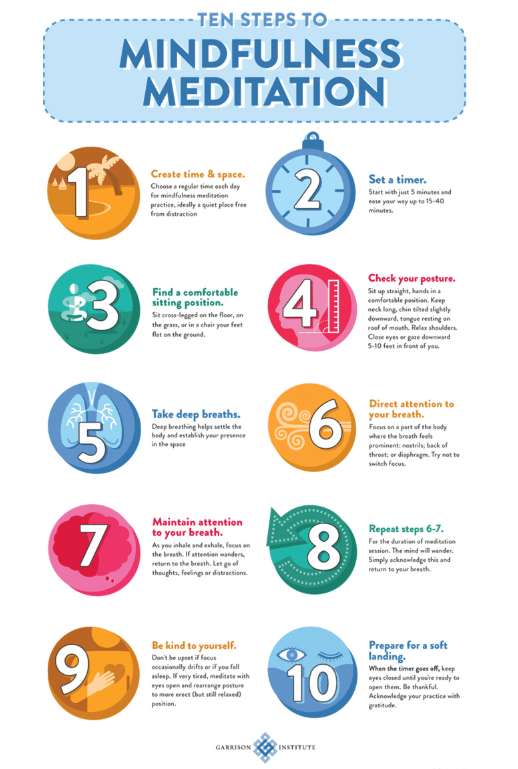
What if I told you that ignoring the signs to start meditation is like driving with a low fuel light on—eventually, you’ll stall? In our serious pursuit of wellness, we often overlook subtle cues like persistent fatigue or irritability, thinking they’ll pass. But here’s the irony: waiting until you’re overwhelmed only makes recovery harder. For me, it was that moment of realization—staring at my reflection after a long day—when I thought, “Enough is enough.” To counter this, try a mini experiment: set aside ten minutes tonight, find a quiet spot, and just observe your thoughts without judgment. No apps, no guides—just you and your breath.
This exercise isn’t groundbreaking, but it’s effective, highlighting how starting a mindfulness practice can recalibrate your energy. In places like the US or UK, where “burning the candle at both ends” is almost a badge of honor, we need to challenge that norm. Meditation offers a solution: it rewires your response to stress, turning chaos into clarity. And that’s when it hits you, you know? The transformation doesn’t happen overnight, but with consistent effort, you’ll notice shifts in your mood and productivity. By tuning into these signals early, you’re not just surviving—you’re thriving in your lifestyle.
| Sign You’re Ready | Potential Benefit | Simple Start |
|---|---|---|
| Feeling overwhelmed daily | Reduced anxiety levels | Five minutes of deep breathing |
| Difficulty sleeping | Improved sleep quality | Evening guided session |
| Seeking better focus | Enhanced concentration | Morning mindfulness routine |
A Final Reflection on Timing
In wrapping this up, here’s a twist: the perfect time to start meditation isn’t a fixed point; it’s whenever you decide to claim that space for yourself, flipping the script on busyness as a virtue. So, take action—try incorporating a short session into your evening ritual right now; it could be the key to a more centered life. And think about this: how might embracing when to start a meditation practice change the way you navigate your daily grind? Share your thoughts in the comments; I’m genuinely curious about your journey.