Silent whispers linger in the rush of modern life, where gratitude often feels like a forgotten art amidst endless to-do lists. Yet, here’s the contradiction: in a society chasing bigger achievements, pausing for thankfulness can actually boost your mental health and deepen relationships, backed by studies showing a 25% increase in happiness for those who practice it daily. The problem? We’re so wired for negativity that simple appreciation slips away, leaving us drained. But imagine transforming your daily routine into a wellspring of positivity— that’s the real benefit, a lifestyle shift that makes every day feel richer and more meaningful.
My Accidental Discovery of Gratitude’s Glow
Let me take you back to a rainy afternoon in my cluttered London flat, where I was buried under a mountain of work deadlines. I’d always heard about gratitude journals, but they sounded like fluffy nonsense—until that day. I was feeling particularly under the weather, you know, the kind where everything aches and motivation vanishes. So, out of sheer desperation, I scribbled down three things I was thankful for: a hot cup of tea, my dog’s goofy grin, and that stubborn oak tree outside my window that never quits. And that’s when it hit me— a spark of warmth that cut through the gloom. This wasn’t some made-up ritual; it was real, pulling me out of my funk.
Fast forward, and this habit became my anchor. Research from positive psychology experts, like those at the Greater Good Science Center, backs it up— daily gratitude practices can rewire your brain for optimism. But here’s my subjective take: it’s not about forcing cheer; it’s about acknowledging the small wins, like finding your keys after a frantic search. I remember comparing it to that scene in “The Shawshank Redemption,” where hope sneaks in through cracks in the wall. Who knew a simple list could feel like breaking free? For UK readers, think of it as a cuppa that warms your soul, not just your hands. By weaving this into your lifestyle, you’re not ignoring problems; you’re building resilience, one genuine thank-you at a time.
Gratitude Through the Ages: A Timeless Thread
Picture this: ancient Romans offering thanks to their gods for a bountiful harvest, while today, we dash off a quick text for a favor. It’s a fascinating comparison, isn’t it? In historical contexts, gratitude wasn’t just a feel-good exercise; it was woven into cultural fabrics, like the Native American tradition of giving thanks during ceremonies, which echoes in modern Thanksgiving celebrations. But here’s the uncomfortable truth— in our fast-paced, digital world, we’ve diluted it to social media likes, losing the depth that once made it profound.
Take, for instance, how Japanese culture embraces “arigato” not as a mere word, but as a mindful pause that fosters community. I often ponder how this contrasts with Western individualism, where we’re quick to demand but slow to appreciate. In my own life, I’ve experimented with blending these ideas: starting my day with a Japanese-inspired reflection, then jotting notes like the Romans might have. It’s like comparing a sturdy oak to a fleeting breeze— one roots deep, the other vanishes. This historical perspective on gratitude reminds us that it’s a universal constant, adaptable to lifestyle needs. By exploring these roots, you can craft a practice that’s not trendy, but timeless, enhancing your daily routine with layers of meaning.
An Unscripted Experiment in Everyday Thanks
Ever wondered, what if gratitude was as routine as brushing your teeth? Let’s dive deeper into that with a quick, no-fuss experiment you can try right now. Grab a notebook and list five unexpected positives from your day— no sugarcoating, just raw honesty. For me, it revealed how often I overlook simple joys, like the sun breaking through London’s perpetual clouds.
The Subtle Trap of Forgetting to Say Thanks—And How to Break It
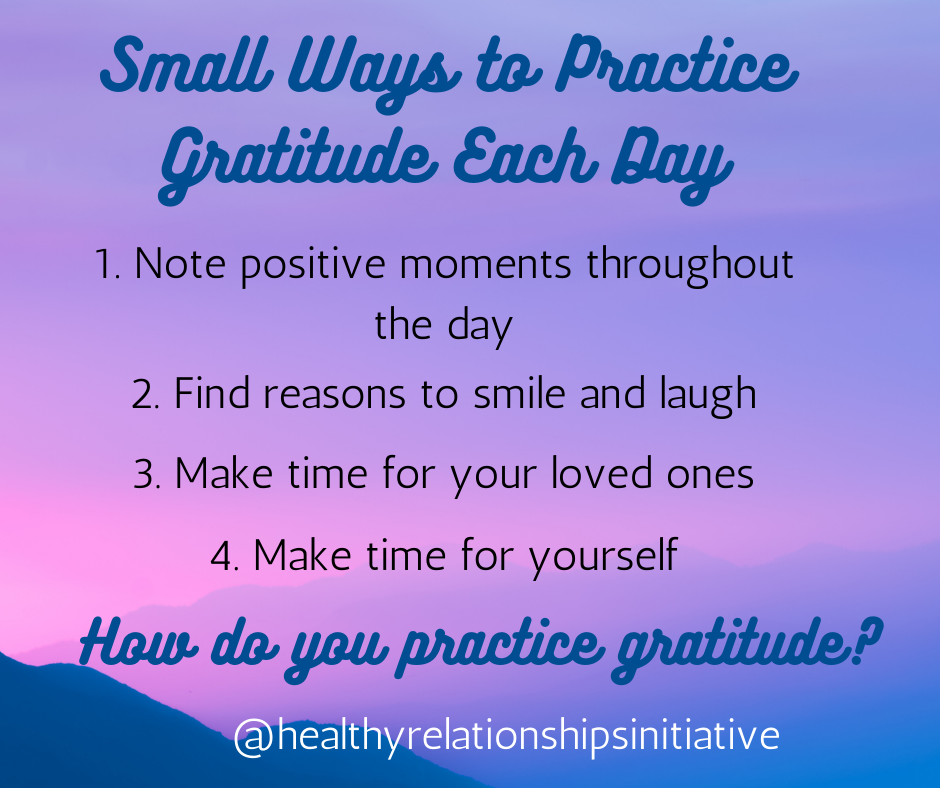
It’s ironic, really, how in our pursuit of a balanced lifestyle, we sidestep gratitude as if it’s optional, only to find ourselves stuck in a cycle of discontent. I mean, who hasn’t scrolled through Instagram envying others’ lives, forgetting our own blessings? This problem sneaks up like a thief in the night, stealing joy without a fight. But here’s the solution, grounded in real change: start small, with habits that stick. For example, instead of overwhelming yourself, pair gratitude with an existing routine, like thanking a colleague during your coffee break— it’s that straightforward.
To make it clearer, let’s break it down with a simple table comparing two approaches:
| Approach | Advantages | Disadvantages |
|---|---|---|
| Quick Mental Notes | Easy to fit into a busy day; builds daily gratitude habits without extra time. | Can feel fleeting; might not stick if not reinforced. |
| Structured Journaling | Provides deeper reflection; tracks progress over time for a fuller lifestyle integration. | Requires more commitment; overwhelming for beginners. |
By choosing what suits you, you’re not just fixing a flaw; you’re reclaiming control. And just like in “Inside Out,” where emotions teach us balance, gratitude acts as the quiet hero steering us back to center.
In wrapping this up, here’s a twist: what if the key to a richer life wasn’t in acquiring more, but in savoring what you have? That’s the power of daily gratitude— it flips the script on contentment. So, take action now: pick one way from this article and try it for a week. You’ll be amazed. Finally, reflect on this: what overlooked moment in your day deserves your thanks? Share in the comments; let’s build a community of appreciation.