Sleep, that silent saboteur. Did you know that while we chase productivity and endless to-do lists, poor sleep quality quietly erodes our health, creativity, and even relationships? It’s a contradiction: in a world obsessed with optimization, many ignore the one thing that could turbocharge our days. This article dives into practical ways to enhance sleep quality, drawing from lifestyle tweaks that have transformed my own nights and could do the same for you. By the end, you’ll discover actionable steps to reclaim restful slumber, boosting your overall well-being without the hassle of quick fixes. Enhancing sleep quality isn’t just about closing your eyes; it’s about rewiring your daily habits for a more vibrant life.
Recalling My Restless Evenings: A Personal Wake-Up Call
Picture this: me, huddled under the covers at 2 a.m., staring at the ceiling while my mind raced like a runaway train. It was back in my early thirties, juggling a demanding job and family life in bustling New York City. I’d burn the midnight oil, thinking I was invincible, only to wake up foggy and irritable. That constant fatigue wasn’t just annoying; it tanked my focus and, honestly, made me a grumpier version of myself. Through trial and error, I learned that better sleep habits start with small, intentional changes.
One anecdote that sticks with me: after a particularly brutal week of insomnia, I swapped my late-night scrolling for a simple bedtime ritual—reading a physical book instead of my phone. It sounds mundane, but it worked wonders. My eyes stopped straining from blue light, and my brain got the signal to wind down. This isn’t just my opinion; studies show that screen time before bed disrupts melatonin production, that natural sleep hormone. Yet, I have to admit, it’s tough when everyone’s glued to their devices. Think of sleep as a crafty artist—ignore the canvas, and your masterpiece turns into a mess. By prioritizing this, I regained energy for things that matter, like family hikes or creative projects. And just like that, when I thought I’d never catch a break…
Lessons from the Past: How History Shapes Our Slumber
Ever wondered how our ancestors managed without alarm clocks or caffeine hits? Dive into history, and you’ll find cultures that revered sleep as a cornerstone of health. In ancient Greece, for instance, Hippocrates linked good rest to physical vigor, advising routines that sound eerily modern. Compare that to today’s hustle culture, where burning the candle at both ends is almost a badge of honor. It’s an uncomfortable truth: we’re borrowing from tomorrow’s energy to fuel today’s chaos, and it’s catching up.
Take the Japanese concept of “inemuri,” where nodding off in public is seen as a sign of hard work, not laziness. It’s a cultural nod to the idea that rest isn’t a luxury but a necessity. In my own life, adopting elements like this—such as shorter, intentional naps—has helped bridge the gap. But here’s a twist: while historical practices emphasize balance, modern lifestyles often glorify exhaustion. Improve sleep by drawing from these traditions; for example, incorporating herbal teas like chamomile, a staple in many ancient remedies, can ease into relaxation. Imagine a conversation with a skeptical reader: “Sure, but who has time for that?” I’d counter with, “Exactly—making time is the point.” This isn’t about perfection; it’s about weaving rest into your daily tapestry, like threads in a historic quilt that holds everything together.
The Overlooked Ritual: Evening Wind-Down
Incorporating these historical insights, I’ve found that a dedicated wind-down routine beats any pill. It’s not just about the act; it’s the intention behind it, turning sleep into a deliberate choice rather than a afterthought.
Putting It to the Test: Your Personal Sleep Experiment
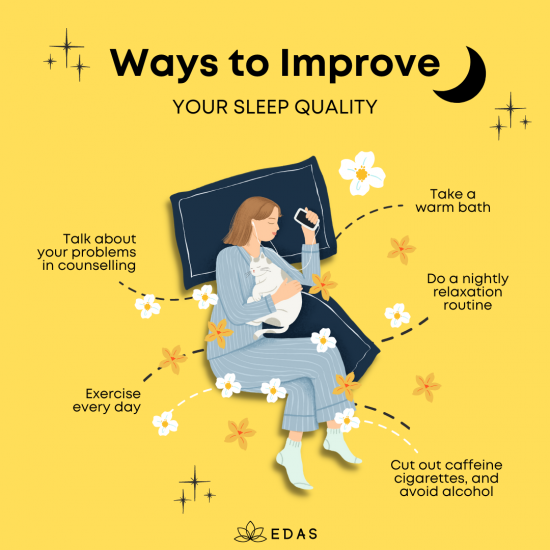
Alright, let’s get practical—because reading about sleep won’t change a thing until you try it yourself. I challenge you to run a simple experiment: over the next week, track your evening habits and tweak one key area. Start by noting your current routine—do you eat heavy meals late or keep the TV blaring? Now, here’s the fun part: implement a “sleep hygiene” overhaul. First, dim the lights an hour before bed to mimic natural dusk; second, avoid stimulants like coffee after 2 p.m.; third, create a cool, dark sanctuary in your bedroom.
This isn’t some rigid list—it’s an invitation to experiment. For instance, I once tried a “gratitude journal” before bed, jotting down three things I’m thankful for, and it shifted my mindset from stress to serenity. Quality sleep tips like these can vary, but the results speak for themselves. Think of it as tuning a guitar; if the strings are off, the music falls flat. And if you’re skeptical, imagine me saying, “Go on, give it a shot—what’s the worst that happens? You sleep better?” To add depth, here’s a quick table comparing common sleep disruptors and fixes, based on real lifestyle observations:
| Disruptor | Impact | Fix |
|---|---|---|
| Late-night screens | Delays melatonin, leads to shallow sleep | Switch to blue-light glasses or read a book |
| Irregular schedules | Disrupts body clock, causes fatigue | Set a consistent bedtime, even on weekends |
| Stress buildup | Triggers racing thoughts | Practice deep breathing or meditation apps |
Y just like that, you’ll notice shifts—perhaps waking up refreshed, ready to tackle your day.
Wrapping It Up: A Fresh Dawn Awaits
In the end, enhancing sleep quality flips the script on how we view rest—it’s not a passive state but an active pursuit that powers our lifestyle. Here’s the twist: what if the key to your best self lies in those quiet hours? So, take action now: pick one tip from this article and apply it tonight. Your future, more energized you will thank me. And on a reflective note, how has poor sleep shaped your daily grind, and what small change could turn it around? Share your thoughts in the comments—let’s build a community around better rest. After all, in the words of that iconic “Inception” line, “You mustn’t be afraid to dream a little bigger.”