Forgotten bites linger. In a world obsessed with quick fixes and multitasking meals, we often shovel food into our mouths without a second thought, only to wonder why we’re still hungry or gaining weight. Here’s the contradiction: while diets promise rapid results, true satisfaction comes from slowing down, savoring each morsel. Studies show that distracted eating contributes to over 33% of daily calorie intake going unnoticed, leading to poor digestion and emotional eating. But what if you could transform mealtime into a mindful ritual? This article dives into tips for mindful eating habits, offering you not just strategies, but a pathway to a more attuned, healthier lifestyle—one that fosters mindful eating for better well-being, reduced stress, and genuine enjoyment of food.
My Personal Fork in the Road: Lessons from a Hasty Eater
Let me take you back to that chaotic morning when I scarfed down a bagel while scrolling through emails, barely tasting it. And that’s when it hit me—mid-choke, actually—realizing how disconnected I was from my food. Growing up in the bustling streets of New York, where grabbing a slice on the go is a rite of passage, I always thought eating fast was efficient. But after reading about mindful eating habits, I decided to experiment. One evening, I sat alone with a simple salad, focusing on the crunch of lettuce, the tang of dressing, like a detective piecing together clues in a mystery novel. It wasn’t easy; my mind wandered to work deadlines, but that small act revealed a profound lesson: rushing through meals robs us of joy and can lead to overeating. I believe, from personal experience, that conscious eating isn’t about perfection—it’s about presence. In my opinion, this practice has curbed my late-night snacking, making me more attuned to hunger cues. Think about it: if you treat every bite as a story unfolding, you’ll find yourself fuller, faster.
From Ancient Tables to Modern Plates: A Cultural Perspective
Ever wonder how different cultures handle mealtime? In Japan, the concept of “Hara Hachi Bu”—eating until 80% full—has roots in ancient Zen practices, emphasizing attentive dining to promote longevity and health. Contrast that with the American drive-thru culture, where meals are often consumed in cars, multitasking away the experience. It’s a stark comparison: one fosters reflection, the other fuels frenzy. I remember visiting a family in Italy, where dinner stretched for hours, with conversations weaving around the table like threads in a tapestry. No one rushed; it was about connection, not consumption. This historical lens shows that mindful eating isn’t a trend—it’s a timeless tradition. Yet, in our fast-paced society, we’ve lost that art, swapping it for screens and stress. By adopting elements like these, such as pausing between bites, you can reclaim that cultural wisdom, turning everyday eating into a nourishing ritual. And just like in that episode of “The Great British Bake Off,” where contestants meticulously craft their creations, paying attention to details elevates the ordinary to extraordinary.
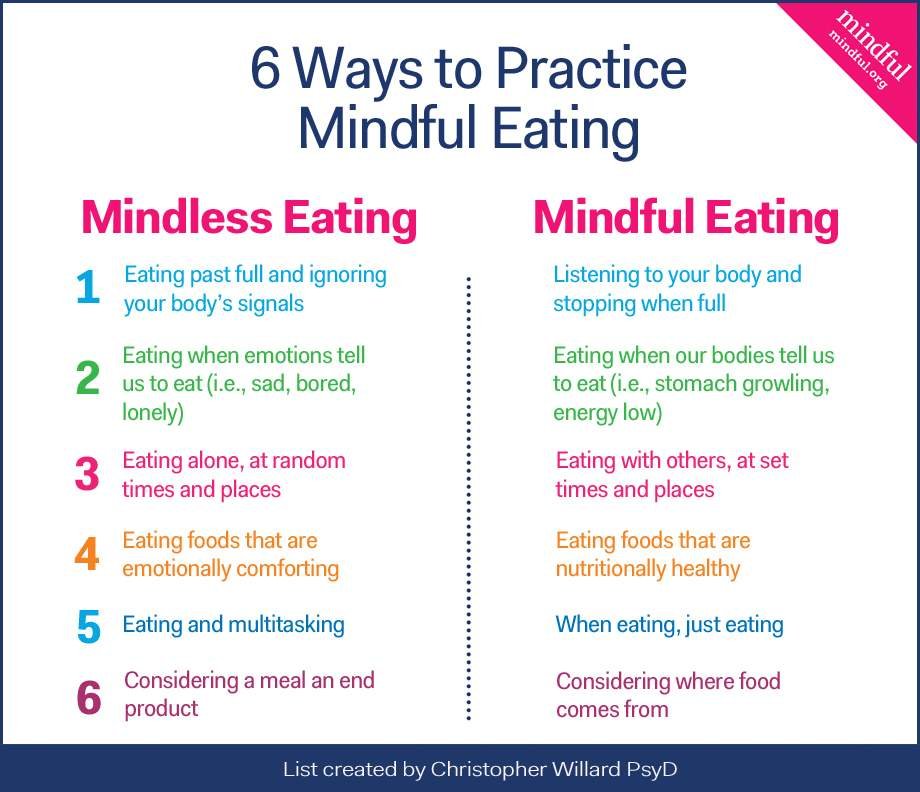
| Mindful Eating | Mindless Eating |
|---|---|
| Focuses on sensory experience (e.g., texture, flavor) | Often paired with distractions like TV or phones |
| Promotes better portion control and satisfaction | Leads to overeating and weight gain |
| Enhances emotional awareness of hunger | Ignores body’s signals, fostering guilt |
The Overlooked Traps of Distracted Dining and Practical Fixes
What if I told you that checking your phone during dinner is like trying to read a book in a storm—impossible to grasp the full story? In our serious pursuit of healthier lifestyles, healthy eating habits get sabotaged by notifications and Netflix binges. Take my friend, for instance, who mindlessly munched popcorn during movies, only to feel bloated afterward. The problem lies in how distractions dull our senses, making us eat more than needed. But here’s a twist: instead of banning screens outright, try this mini experiment—next meal, set a timer for five minutes of silence, just you and your plate. Observe the colors, smells, and tastes, like uncovering hidden layers in a complex dish. This approach, drawn from mindfulness in diet techniques, isn’t about restriction; it’s about empowerment. Over time, you’ll notice improved digestion and a deeper connection to your body’s needs. Remember, as the saying goes, “You are what you eat,” but more accurately, you are how you eat—mindfully or not.
In wrapping this up, here’s the twist: mindful eating isn’t just about food; it’s a mirror to how we live our lives, rushing through moments that deserve savoring. So, take action now—pick one meal this week to eat without any distractions, and journal how it feels. How has incorporating mindful eating habits shifted your relationship with food and yourself? Share your thoughts in the comments; let’s start a conversation that goes beyond the plate.