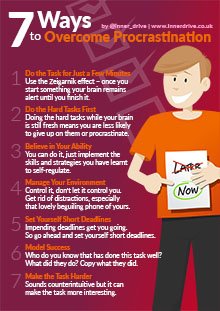
Silent thief lurking. Procrastination isn’t just a bad habit; it’s a sneaky saboteur that steals your time, energy, and even your joy in everyday life. Think about it: while 20% of adults chronically delay tasks, according to productivity experts, this isn’t some minor flaw—it’s a barrier to the balanced, fulfilling lifestyle we all crave. In this article, we’ll dive into real strategies for overcoming procrastination, drawing from personal insights and practical wisdom to help you reclaim your days. By the end, you’ll have actionable tools to boost your productivity without sacrificing the things that make life worth living, like hobbies, relationships, and self-care.
My Battle with the Endless To-Do List
Picture this: back in my early twenties, living in a bustling London flat, I had this grand plan to turn my weekends into a haven of productivity. I’d wake up with the best intentions—maybe hit the gym, finally organize that messy bookshelf, or even start that journaling habit everyone’s raving about. But then, like clockwork, I’d find myself scrolling through social media for hours, thinking, “Just five more minutes.” And that’s when it hit me—procrastination was my uninvited roommate, turning my lifestyle dreams into a never-ending cycle of regret.
This isn’t just my story; it’s a common thread in the fabric of modern life. As someone who’s battled this beast, I can tell you it’s like trying to outrun your own shadow—exhausting and futile until you shine a light on it. My turning point came during a rainy afternoon in Hyde Park, where I sat reflecting on how delaying simple tasks, like preparing healthy meals, left me stressed and unhealthy. The lesson? Procrastination isn’t laziness; it’s often fear disguised, as psychologists point out, rooted in perfectionism or overwhelm. By confronting it head-on, I’ve learned that small, consistent actions, like setting a timer for focused work, can transform your daily routine. It’s about building a lifestyle where procrastination strategies feel less like chores and more like personal victories.
From Ancient Philosophers to Modern Gurus
Ever wonder how societies have wrestled with putting things off for centuries? Let’s draw an unexpected parallel: in ancient Rome, Seneca the Stoic preached the dangers of delay, comparing it to a river eroding your foundations—slow but devastating. Fast-forward to today, and it’s eerily similar to how Silicon Valley influencers push apps for task management, yet the core issue remains tied to lifestyle choices. In British culture, where I’ve spent most of my life, there’s this understated modism like “kicking the can down the road,” which perfectly captures that polite avoidance we often mask as “taking a breather.”
But here’s the truth that’s hard to swallow: while historical figures like Benjamin Franklin advocated for early rising and structured days, modern research from behavioral science shows procrastination thrives in our distraction-filled world. Compare that to Eastern philosophies, say in Japan, where “kaizen” emphasizes continuous improvement through tiny steps—kicking procrastination by making progress feel achievable. This cultural lens reveals that overcoming procrastination isn’t about rigid schedules; it’s weaving productivity into your lifestyle tapestry. For instance, adopting a “kaizen” mindset helped me tackle my cluttered home by breaking it into five-minute declutters, turning chaos into calm without the overwhelm.
A Twist on Timeless Wisdom
What if we flipped the script? Instead of viewing procrastination as an enemy, think of it as a signal, much like the red flags in a Netflix series plotline—say, in “The Crown,” where characters delay decisions with dire consequences. By analyzing these pauses, you uncover underlying issues, like poor work-life balance, and address them with tailored strategies.
The Trap of ‘Just One More Episode’
Here’s the irony that stings: in our quest for a relaxed lifestyle, we often fall into the procrastination pit, telling ourselves, “I’ll start that yoga routine tomorrow,” only to end up binging another season on the sofa. It’s not funny, but it is telling—our brains crave instant gratification, as neuroscientists explain, hijacking our best intentions. Take my own slip-up: during lockdown, I kept postponing walks in the countryside, rationalizing it with, “The weather’s rubbish anyway.” The result? A dip in mental health that made me realize procrastination wasn’t just delaying tasks; it was delaying living.
To break free, let’s propose a simple experiment: next time you feel that pull, jot down what you’re avoiding and why. Is it fear of failure, or maybe boredom with routine? This exercise, drawn from cognitive behavioral techniques, exposes the problem with a dose of self-awareness, leading to real solutions. For example, swapping mindless scrolling for a quick meditation app can rewire your habits, making your lifestyle more intentional. And don’t forget, as in that meme from “The Office” where Michael Scott endlessly procrastinates meetings, sometimes laughter is the first step to change—though in a serious tone, it’s about recognizing patterns without judgment.
| Strategy | Pros | Cons |
|---|---|---|
| Time Blocking | Creates structure for daily routines | Can feel rigid if not flexible |
| Mindful Breaks | Reduces overwhelm and boosts creativity | Requires discipline to avoid extension |
| Accountability Partners | Provides external motivation | Depends on reliable relationships |
This table highlights how different procrastination tips fit into a balanced lifestyle, weighing their effectiveness for everyday use.
Wrapping It Up with a Fresh Perspective
In the end, overcoming procrastination isn’t about becoming a robot; it’s about evolving into the best version of yourself, where delays become detours to growth. That twist? What if procrastination is actually a teacher, pointing out what’s truly important in your lifestyle? So, take this CTA seriously: pick one strategy from above and apply it today—perhaps start with that time-blocking experiment I mentioned. And here’s a reflective question to ponder: what hidden opportunity might your next delay reveal, and how will you seize it? Share your thoughts in the comments; let’s turn this into a conversation that sparks real change.