Tears, triumphs, transformations. That’s the raw cycle of life we often gloss over in our quest for picture-perfect days. Here’s a truth that stings: We pride ourselves on being tough, yet one bad day can unravel us completely. In the whirlwind of modern lifestyle demands—juggling work, relationships, and self-care—emotional resilience isn’t just a buzzword; it’s your secret weapon against burnout. Mastering strategies for emotional resilience can turn chaos into clarity, helping you bounce back stronger and live a more fulfilling life. Stick around, and I’ll share how, drawing from real experiences and unexpected insights.
My Unexpected Breakdown and the Lesson It Taught Me
Picture this: I’m in my mid-thirties, knee-deep in a high-flying career, thinking I’m invincible. Then, bam—one rainy evening in Seattle, traffic gridlock turns into a full-blown panic attack. My heart racing, hands shaking, and all because I couldn’t control a simple commute. It sounds trivial now, but back then, it exposed how brittle my emotional armor had become. I grew up in a family that valued stoicism, like those old Western movies where John Wayne just dusts off and keeps going. But reality hit hard: Suppressing feelings isn’t strength; it’s a ticking time bomb.
This personal hiccup taught me that emotional resilience starts with self-awareness. Emotional resilience strategies aren’t about avoiding pain—they’re about processing it. I remember journaling that night, scribbling down every chaotic thought, which felt like unloading a backpack full of rocks. Over time, it became a habit, and surprisingly, it worked. Experts call this “cognitive reframing,” but in my world, it’s more like turning lemons into a decent lemonade. Don’t just take my word; think about your own life. That time you powered through a tough breakup? That’s resilience in action, folks.
From Ancient Stoics to Today’s Hustle Culture: Unearthing Timeless Wisdom
Ever wonder how Roman emperors like Marcus Aurelius stayed sane amid empire-crushing chaos? Fast-forward to now, and we’re drowning in emails and social media noise, yet the core of building emotional resilience hasn’t changed much. Take the Stoics, for instance—they’d say life’s storms are inevitable, so prepare your mind like a sailor readies a ship. Contrast that with modern hustle culture, where burning out is almost a badge of honor, as seen in shows like “The Office,” where poor Michael Scott’s emotional meltdowns highlight the absurdity of it all.
This comparison hits home because, in my opinion, we’ve lost touch with that ancient balance. While Aurelius meditated on mortality to build mental toughness, we’re scrolling through Instagram, comparing our behind-the-scenes to someone else’s highlight reel. It’s a cultural shift that’s eroded our coping mechanisms. But here’s an unexpected analogy: Think of emotional resilience like a well-tuned guitar string—it stretches under pressure but doesn’t snap if maintained. To bridge this gap, try a mini experiment: Next time stress builds, pause and ask yourself, “What would Aurelius do?” It might sound corny, but grounding yourself in historical perspectives can reshape how you handle daily lifestyle pressures, from work deadlines to family conflicts.
A Quick Reflection on Modern Adaptations
And just when you think history’s irrelevant—Y justo ahí fue cuando—I realized blending old wisdom with today’s tools, like mindfulness apps, creates a powerhouse for personal growth. It’s not about rigid routines; it’s evolving with the times.
The Paradox of Vulnerability in Building Lasting Strength
Here’s the irony that always makes me chuckle, even in a serious tone: We chase invincibility like it’s a prize, but true emotional resilience blooms from admitting we’re human. In our lifestyle-obsessed world, where everyone’s flaunting “perfect” routines, ignoring vulnerabilities leads to cracks—like that friend who seems fine but quietly battles anxiety. The problem? We glorify busyness over balance, turning resilience into a myth rather than a skill.
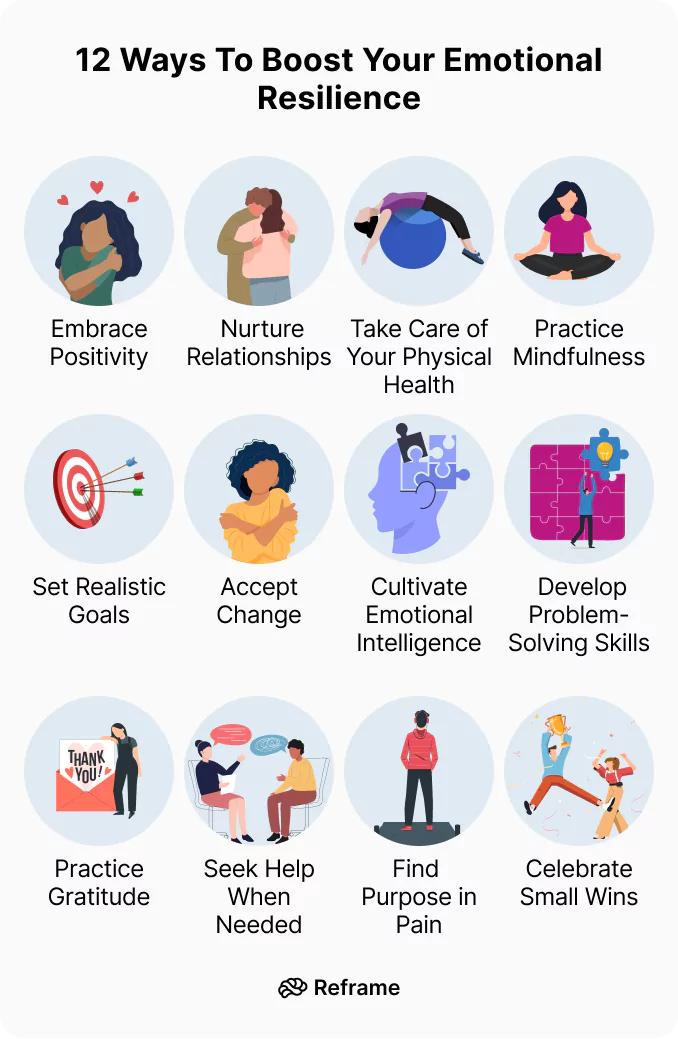
To solve this, start with small, actionable steps. First, embrace vulnerability as a strength; it’s like opening a door to deeper connections. Second, incorporate routines that foster emotional resilience in daily life, such as daily walks or deep breathing—nothing fancy, just consistent. Third, seek community support, because, as the saying goes, “A problem shared is a problem halved.” And if you’re skeptical, imagine a conversation with your future self: “Hey, past me, why didn’t you talk about that stress earlier?” That mental chat can be a game-changer, turning irony into insight.
For a clearer picture, let’s break it down in a simple table:
| Aspect | Vulnerability Ignored | Vulnerability Embraced |
|---|---|---|
| Daily Impact | Builds up stress, leads to burnout | Reduces tension, promotes growth |
| Long-term Benefits | Risk of emotional exhaustion | Enhanced relationships and self-awareness |
| Lifestyle Tip | Avoid tough talks | Schedule regular check-ins |
Wrapping It Up with a Fresh Lens
In the end, emotional resilience isn’t about powering through life unchanged; it’s about emerging transformed, like a phoenix from the ashes—cliché, I know, but fitting. Twist this: What if your toughest moments are actually your greatest teachers, reshaping your lifestyle for the better? So, take action now: Grab a notebook and jot down one resilience strategy you’ll try today, whether it’s a walk or a heart-to-heart chat.
And to leave you pondering: How has a personal setback redefined your approach to emotional strength? Share in the comments; let’s build a community around real growth.