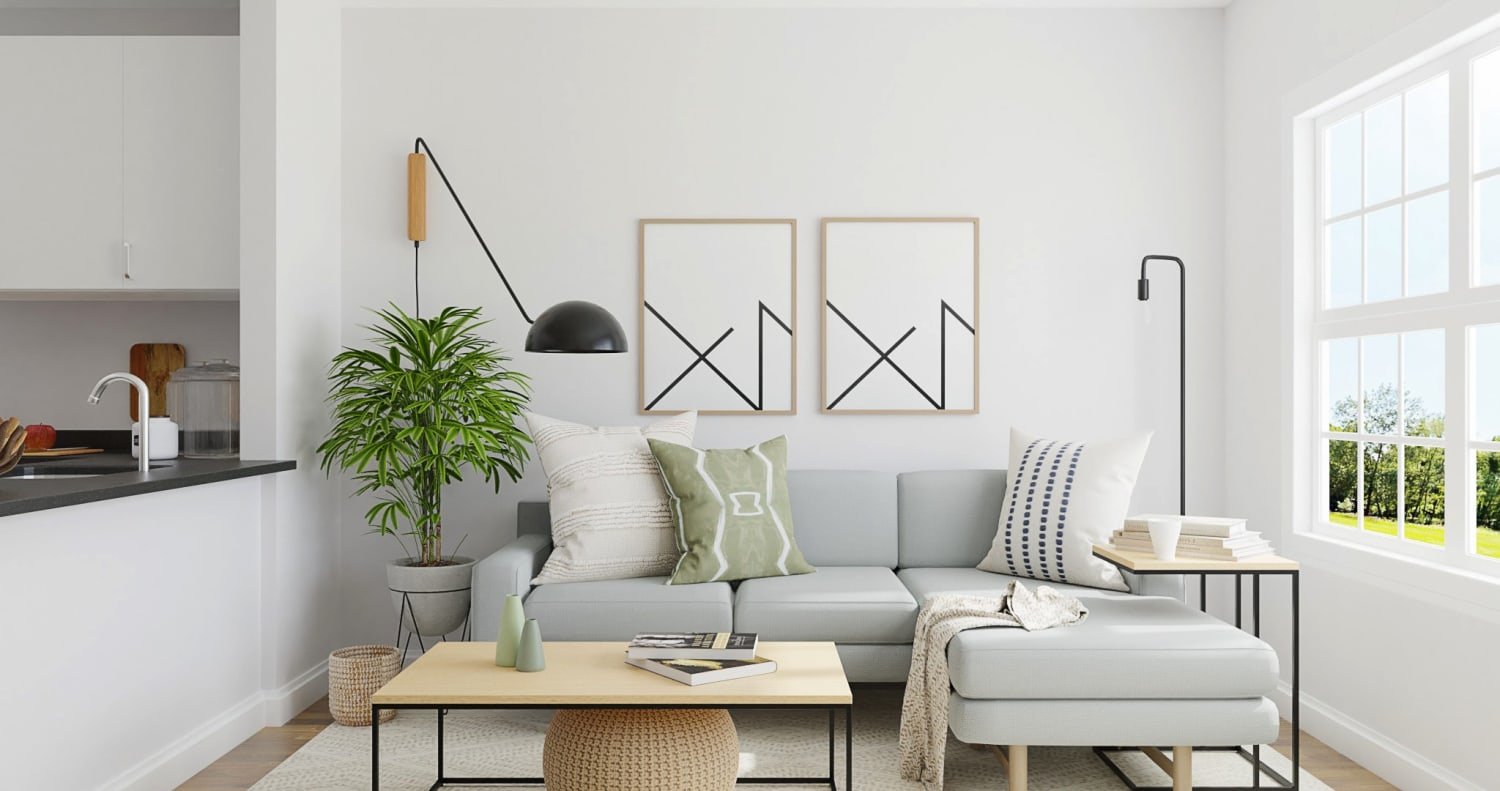
Simplicity hides depth. In a world obsessed with accumulation, the minimalist approach to home decor stands as a quiet rebellion, promising not just aesthetic appeal but profound mental clarity. Yet, here’s the uncomfortable truth: many of us fill our spaces with unnecessary items, leading to a cluttered mind and wasted energy. By exploring **minimalist home decor ideas**, you can transform your living environment into a sanctuary of calm, fostering a lifestyle where less truly equates to more peace and productivity. Let’s dive in, drawing from real experiences and timeless wisdom to make your home a reflection of intentional living.
Rediscovering Simplicity Through a Personal Journey
Picture this: five years ago, my apartment was a chaotic mess, piled high with gadgets I barely used and knick-knacks from travels that gathered dust. I remember that rainy evening in New York, sorting through boxes and thinking, “Why am I holding onto this old concert ticket?” It was more than just stuff; it symbolized years of avoiding decisions, letting possessions pile up like unspoken regrets. Through this, I learned that **minimalist home decor ideas** aren’t about deprivation—they’re about curation.
I started small, swapping out my overflowing bookshelf for a sleek, wall-mounted one with only my favorite reads. The result? A room that felt expansive, like a deep breath after holding it in too long. In my opinion, this shift isn’t just visual; it’s psychological. Studies show that decluttered spaces can reduce stress by up to 40%, and I stand by that—my mornings went from frantic to focused. For those in urban hubs like London or Tokyo, where space is premium, adopting elements like neutral palettes and multifunctional furniture can make all the difference. And just like that old saying, “A place for everything and everything in its place,” minimalism forces us to confront what truly matters.
A Hidden Analogy in Everyday Life
Think of your home as a gallery, not a storage unit—each piece a deliberate stroke, not random splatters. It’s an unexpected comparison, I know, but bear with me; it’s like curating a personal museum where every item tells a story without overwhelming the narrative.
From Ancient Zen Gardens to Today’s Streamlined Spaces
Minimalism isn’t a fleeting trend; it’s rooted in cultural traditions that span centuries. Consider the Japanese concept of “wabi-sabi,” which embraces imperfection and transience—much like how ancient Zen gardens use negative space to evoke tranquility. In contrast, modern Scandinavian design, with its clean lines and light woods, reflects a Nordic ethos of functionality over excess. This historical thread shows that **simple home design** has always been about harmony, not just aesthetics.
Here’s a quick comparison to illustrate:
| Cultural Origin | Key Features | Modern Application |
|---|---|---|
| Japanese Zen | Empty spaces, natural materials, focus on meditation | Incorporating low tables and tatami mats for a serene living room |
| Scandinavian | Light colors, multifunctional pieces, practicality | Using IKEA-inspired shelves to display only essentials, promoting daily ease |
This evolution underscores a universal truth: in our fast-paced lives, **declutter tips** from these traditions can cut through the noise. I often reflect that, like the minimalist sets in the TV show “The Good Place,” where every element serves a purpose, our homes should too. It’s not about stripping away joy but about amplifying it through thoughtful choices.
The Subtle Traps of Overabundance and Thoughtful Remedies
We’ve all fallen into the trap—buying that trendy vase on impulse, only to realize it clashes with everything. The problem lies in how excess sneaks in, disguised as comfort, but it often leads to a disjointed space that drains our energy. In a serious tone, I argue that this overabundance is a modern epidemic, with reports indicating that the average household contains over 300,000 items. The solution? Start with **minimalist living** principles that prioritize quality over quantity.
1. Assess your space honestly: Walk through each room and ask, “Does this spark genuine value?”
2. Edit ruthlessly: Remove duplicates—keep the one item that brings the most joy, as inspired by Marie Kondo’s philosophy.
3. Integrate elements like monochromatic schemes or hidden storage to maintain flow.
And that’s when it hits you, the power of restraint. By adopting these steps, my own home transformed into a canvas of calm, with a single abstract painting as the focal point instead of wall-to-wall art. It’s an unexpected analogy: just as a chef uses few ingredients for a masterpiece, your decor should highlight what’s essential, creating an atmosphere that’s both inviting and introspective.
In wrapping this up, here’s the twist: minimalism isn’t about ending up with an empty shell; it’s about filling your life with what truly enriches it. So, take action now—pick one room and apply a **minimalist home decor idea** like clearing countertops for instant serenity. How has embracing simplicity reshaped your daily routine? I’d love to hear your thoughts in the comments; it’s a conversation worth having.