Sweat, strategy, success. That’s the unexpected trio that flips the script on chaotic gym sessions and half-hearted jogs. Here’s a shocker: while over 80% of folks dive into fitness with gusto, most fizzle out within weeks, not because they’re lazy, but due to sloppy planning. In our fast-paced lifestyle, crafting a solid fitness schedule isn’t just about penciling in workouts; it’s your ticket to sustained energy, better mental clarity, and a body that feels alive. Stick with me, and I’ll share how to build one that sticks, drawing from real experiences and smart tweaks, so you can turn intention into action without the usual pitfalls.
Recalling My Fitness Fumble: A Wake-Up Call
Picture this: a few years back, I was that guy, juggling a desk job and the vague idea that running a few miles would “sort me out.” I dove in headfirst, scheduling runs willy-nilly around meetings, only to crash and burn. And boy, was that a mistake—skipping sessions left me feeling like a deflated balloon, not the rock-solid version I aimed for. I remember one rainy Tuesday when I bailed on a planned HIIT routine because, well, the couch called louder. That letdown taught me a hard lesson: a fitness schedule isn’t just a list; it’s a lifeline that demands personalized workout planning to fit your real life.
From my corner of the world in bustling New York, where everyone’s always “hustling,” I see folks treating fitness like it’s an afterthought. But here’s my take, straight up: ignoring the rhythm of your daily grind is a recipe for failure. Think of it as tuning a guitar—get the strings just right, and you hit perfect notes; slack off, and it’s all noise. That personal anecdote isn’t fluff; it’s the foundation for why you need to weave in recovery days and align with your energy peaks. By doing so, you’ll avoid the burnout trap and build a daily fitness routine that’s as reliable as your morning coffee ritual.
Drawing from Timeless Traditions: Ancient Rhythms in Modern Life
Ever wonder how Spartan warriors stayed in peak shape without fancy apps? Fast-forward to today, and their disciplined approach offers a stark contrast to our erratic habits. In ancient Greece, fitness wasn’t optional—it was woven into daily life, like how yoga fits into Indian culture, emphasizing balance over binge. I find it ironic that while we chase the latest trends, these historical routines remind us that exercise scheduling thrives on consistency, not chaos.
Take a beat and compare: the Greeks planned their physical training around the sun’s cycle, ensuring rest and intensity mirrored natural flows, much like how modern athletes use periodization for long-term gains. In my experience, blending this with contemporary lifestyle tweaks—say, scheduling a yoga session post-work to mimic those meditative warrior pauses—makes all the difference. It’s not rocket science; it’s about creating a fitness plan template that honors your body’s needs, drawing from these roots to combat our screen-addicted world. And just like in that old flick “Gladiator,” where training builds empires, your schedule could be the arena where you conquer daily stress.
A Mini Experiment: Test the Waters
Here’s a disruptor: what if you swapped your usual evening scroll for a quick bodyweight circuit, timed like the Spartans? Try it for a week—note your energy levels and jot down surprises. You’ll likely find that anchoring your weekly workout schedule to historical wisdom amps up your motivation, proving that old-school vibes can supercharge modern lifestyle fitness.
Navigating the Scheduling Maze: Ironing Out the Kinks
Let’s get real: the biggest hurdle in planning a fitness schedule is that sneaky overlap with work, family, or even your Netflix queue. I mean, who hasn’t promised themselves a run only to hit snooze and mutter, “Maybe tomorrow”? But here’s the truth—overcoming this isn’t about perfection; it’s about smart strategies that turn pitfalls into progress. For instance, I once overlooked meal timing in my routine, leading to mid-workout slumps that felt like running on fumes.
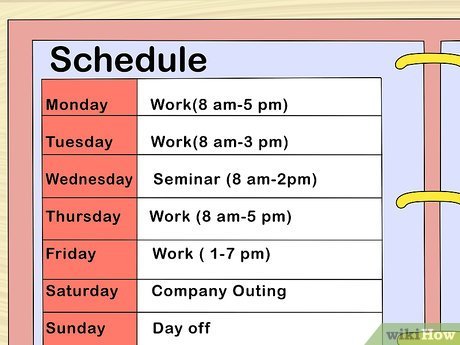
To fix that, start by mapping your week: (1) Identify your high-energy windows, like mornings if you’re a lark or evenings if you’re not. (2) Factor in variety—mix cardio, strength, and flexibility to keep things fresh and prevent injury. (3) Build in buffers for life’s curveballs, because let’s face it, not every day is a walk in the park. This approach transforms your fitness scheduling from a rigid cage into a flexible framework, much like how a jazz musician improvises on a classic tune.
And speaking of variety, here’s a simple table to weigh your options when building that routine:
| Aspect | Beginner-Friendly | Advanced Edge |
|---|---|---|
| Frequency | 3 days a week, easy on joints | 5-6 days, with intensity spikes |
| Duration | 20-30 minutes, quick wins | 45-60 minutes, for deeper gains |
| Advantages | Less overwhelming, builds habit | Maximizes results, boosts endurance |
| Disadvantages | Slower progress, potential for inconsistency | Risk of overtraining, needs strict recovery |
By tackling these steps, you’re not just planning; you’re crafting a healthy lifestyle routine that’s genuinely yours. Y’know, it’s a piece of cake once you hit the ground running with intention.
What if the real power of your fitness schedule lies not in the sweat, but in the space it creates for growth? That’s the twist—it’s as much about mental resilience as physical gains. So, take action now: grab a notebook and outline your next week’s plan, incorporating one new habit from this chat. How has a solid fitness schedule reshaped your daily life, or are you ready to find out? Share your thoughts; let’s keep the conversation going.