Anxiety strikes unexpectedly. That nagging unease, the heart racing for no clear reason—it’s a thief in the night, stealing calm from our daily lives. Yet, here’s the contradiction: while anxiety affects over 40 million adults in the US alone, making it the most common mental health issue, effective management is within reach through simple lifestyle tweaks. In this article, we’ll dive into practical ways to manage anxiety effectively, drawing from real experiences and evidence-based strategies. By the end, you’ll gain tools to reclaim your peace, turning overwhelming moments into manageable ones, all while enhancing your overall lifestyle.
My Personal Wake-Up Call: When Anxiety Derailed My Routine
Picture this: I’m sitting in a bustling coffee shop, laptop open, trying to hit a deadline, and suddenly, my chest tightens like a vice. It was three years ago, right after moving to New York City—the city that never sleeps, but apparently, makes you wish it would. I remember thinking, “This can’t be happening; I’m just stressed from the commute.” But it wasn’t just that; it was anxiety creeping in, fueled by the constant hustle. From my perspective, anxiety isn’t some abstract enemy—it’s personal, like that uninvited guest at a family dinner who overstays.
In that moment, I realized how lifestyle choices amplify it. I’d been skipping meals, powering through with caffeine, and ignoring sleep—classic pitfalls in a fast-paced urban life. But here’s an unexpected analogy: managing anxiety is like tending a garden. You can’t just plant seeds and walk away; you need to weed out the negatives and nurture the positives. Through trial and error, I started incorporating anxiety relief techniques like daily walks in Central Park, which, believe it or not, felt like hitting the reset button. The lesson? Small, consistent changes in your routine can build resilience. And just like that New York minute where everything moves too fast, slowing down became my secret weapon.
The Harsh Truth Behind Common Anxiety Myths
Let’s get real for a second: there’s this widespread myth that anxiety is just “being dramatic” or easily shaken off with a good night’s sleep. I call that out as nonsense—it’s like saying a storm is just a light rain. From what I’ve observed in conversations with friends and even in online forums, this downplays how deeply it intertwines with our lifestyle. The truth, backed by studies from the American Psychological Association, is that anxiety often stems from chronic lifestyle factors like poor diet or social isolation, not mere weakness.
Take, for instance, the idea that technology is a harmless escape. In reality, endless scrolling through social media can exacerbate dealing with anxiety, as it bombards us with comparisons and notifications that keep our minds on edge. I’ve seen this play out in my own circle; one friend, let’s say, thought doom-scrolling was “keeping up with the world,” but it only amplified her worries. To counter this, consider cultural references—much like how characters in “The Office” deal with awkward silences, we need to create real breaks. A lifestyle change for anxiety could be as straightforward as setting phone boundaries, which I’ve found reduces that constant buzz. It’s not about perfection; it’s about recognizing these truths and adapting, even if it means admitting, “Yeah, I was wrong about that.”
Why We Overlook the Basics
And often, we do overlook them—skipping the fundamentals like hydration or exercise because life gets in the way. But here’s the shift: integrating mindfulness isn’t some trendy fad; it’s a grounded approach that works.
Ever Wonder: Could a Simple Daily Ritual Change Everything?
What if I told you that flipping your morning routine could be the key to reducing anxiety naturally? It’s a disruptively simple question, yet it invites a mini experiment worth trying. Imagine starting your day not with emails, but with a five-minute journaling session—something I stumbled upon during a particularly rough week. “Why bother?” you might ask, skeptically crossing your arms. Well, picture this as a conversation: Me, the advocate, saying, “Look, it’s like prepping for a marathon; you wouldn’t run without warming up, right?”
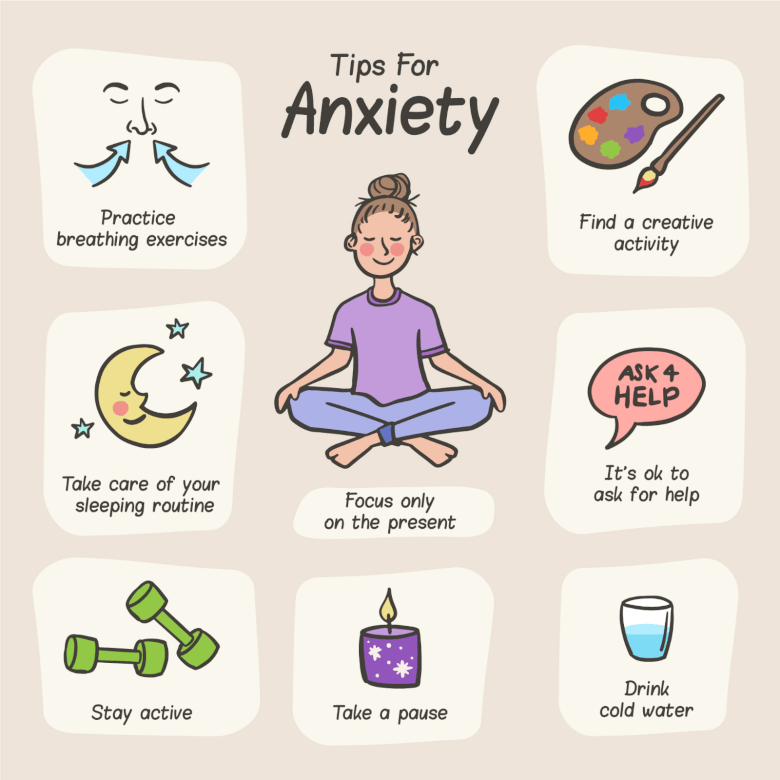
To put it to the test, try this exercise: For the next three days, jot down three things you’re grateful for each morning. It’s not magic; it’s science—studies show gratitude practices can lower cortisol levels, that stress hormone that’s always lurking. In my case, this ritual, combined with light yoga, turned what felt like an uphill battle into a manageable climb. Keep your cool, as the saying goes, by making it a habit. And that’s when it hits—those small wins add up, transforming your lifestyle from reactive to proactive. Over time, you’ll notice anxiety management techniques like this become second nature, much like how a favorite TV show character evolves over seasons.
In wrapping this up, here’s the twist: managing anxiety isn’t about eradicating it entirely—it’s about evolving with it, turning it into a signal rather than a siren. So, take action now: Pick one technique from here and apply it today, whether it’s that gratitude journal or a simple walk. How has anxiety shaped your own lifestyle journey, and what personal strategies have you discovered along the way? Share in the comments; your story might just help someone else breathe a little easier.