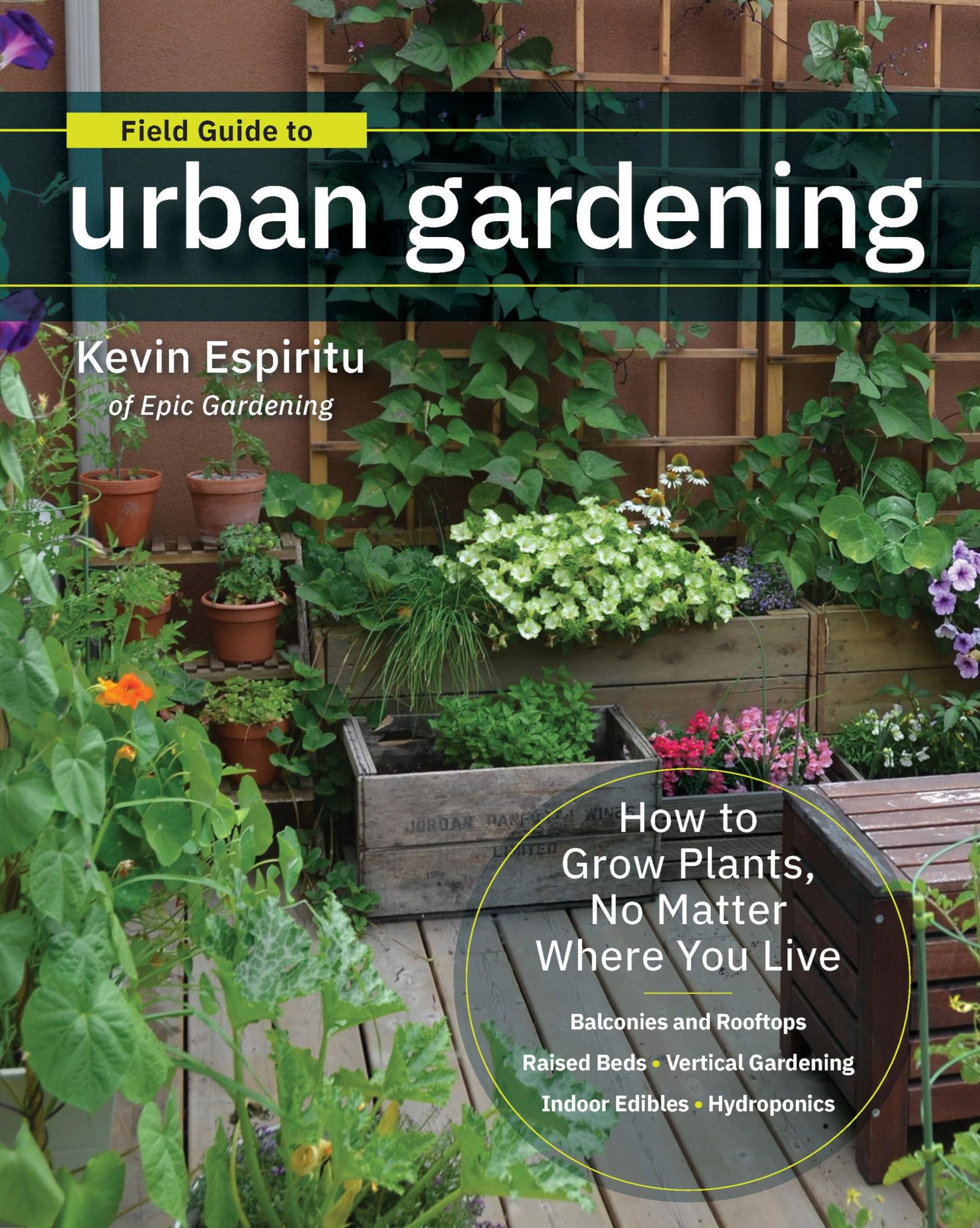
Asphalt amidst blooms. That’s the stark reality of urban life today—vibrant cities choking on concrete while nature fights for a foothold. Did you know that in many metropolises, green coverage has plummeted by over 30% in the last decade, leaving residents more isolated from the earth than ever? This disconnection isn’t just an environmental woe; it’s a personal one, fueling stress and diminishing well-being. But here’s the silver lining: urban gardening offers a pathway to reclaim that lost serenity, transforming cramped apartments into pockets of peace. In this guide, we’ll explore how to dive into city-side cultivation, blending practical tips with real insights to enhance your lifestyle, one plant at a time. Stick around, and you’ll discover not just methods, but a mindset shift for a greener, more grounded existence.
My First Foray into City Greenery: A Lesson in Resilience
Picture this: five years ago, in the heart of New York, I stared at my tiny balcony, cluttered with old takeout boxes and zero plants. Urban gardening sounded like a pipe dream, something for folks with sprawling backyards, not me in my shoebox apartment. But one rainy afternoon, frustration hit—I was drowning in city noise, longing for a slice of calm. So, I grabbed a few herb seeds from the corner store, jammed them into recycled yogurt cups, and waited. And waited. Spoiler: not all sprouted, but the ones that did? Pure magic. That first basil leaf taught me resilience; it’s like coaxing a symphony from a rusty harmonica—imperfect, yet profoundly rewarding.
I remember thinking, “Why bother when the odds are stacked?” But as those herbs grew, so did my patience. This isn’t just my opinion; studies show that engaging in urban gardening for beginners can reduce anxiety by up to 20%, according to urban health reports. It’s personal—my balcony became a sanctuary, a quiet rebellion against the chaos. If you’re skeptical, imagine chatting with your skeptical self: “Sure, but what about pests in the city?” I’d counter, “Start small, with hardy varieties like mint, and watch how it builds your confidence.” That unexpected green thumb? It’s not just about plants; it’s about rediscovering control in a world that feels overwhelming.
Ancient Roots in Modern Soil: How History Shapes Today’s Trends
Fast-forward from the hanging gardens of Babylon—those ancient wonders that fed kings and inspired awe—to your average high-rise window box. It’s a fascinating parallel, really. Back then, Mesopotamians turned arid landscapes into lush oases, a cultural nod to survival and beauty that echoes in our sustainable urban living movements. In places like Tokyo, where space is scarcer than hen’s teeth, community gardens have become social hubs, blending tradition with innovation. Think about it: what if the rooftop farms of ancient Rome were the blueprint for our vertical gardens?
This comparison isn’t just academic; it’s a wake-up call. While historical societies revered green spaces for community and sustenance, we’re rediscovering that in 2023. In London, for instance, initiatives like guerrilla gardening—planting without permission—mirror those rebellious spirits, turning neglected lots into vibrant ecosystems. But here’s a truth: not every attempt succeeds. My own basil experiment flopped initially, yet it pushed me toward better techniques, like using companion planting to ward off bugs. Benefits of urban gardening, from improved air quality to mental clarity, aren’t new—they’re timeless. If you’re diving in, consider how these historical threads weave into your lifestyle, making your city garden a bridge between past and present.
Unveiling the Vertical Revolution
And just when you think it’s all about ground level… enter vertical gardening, that clever twist on tradition. It’s like stacking books in a tiny studio—efficient and clever. This approach maximizes every inch, perfect for apartment dwellers.
The Space Dilemma: Navigating Constraints with Smart Solutions
Here’s the rub: in cities where real estate costs an arm and a leg, finding room for a garden feels like chasing a mirage. Irony hits hard—while we’re crammed into high-rises, nature calls from afar. But what if I told you that this challenge is exactly what makes urban gardening tips so empowering? Take my early missteps: I once overloaded a windowsill, leading to a toppled mess and wilted leaves. Yikes. The solution? Embrace modularity, like using stackable planters or hydroponic systems that turn a sunny corner into a mini farm.
To break it down, let’s compare two popular setups in a simple table:
| Feature | Traditional Pots | Vertical Hydroponics |
|---|---|---|
| Space Efficiency | Low; spreads out horizontally | High; stacks upward |
| Water Usage | Moderate; depends on soil | Low; recirculates water |
| Maintenance Level | Easy for beginners | Requires initial setup, but automated |
| Yield Potential | Good for herbs | Excellent for leafy greens |
As you can see, vertical options shine for city gardening ideas, especially if you’re short on floor space. Step 1: Assess your area—sunlight, airflow. Step 2: Choose resilient plants, like succulents that thrive on neglect. And step 3: Monitor and adapt, because, as I learned, gardening is a dialogue, not a dictate. It’s serious business, yet oddly therapeutic, much like that scene in “The Matrix” where Neo finally sees the code—once you get it, everything clicks.
A Fresh Perspective: Wrapping Up with Action
In the end, urban gardening isn’t merely a hobby; it’s a quiet revolution that flips the script on city living, turning barriers into blooms. What if, instead of viewing your concrete surroundings as limitations, you saw them as canvases? That’s the twist—potential hides in the unlikeliest spots. So, take this actionable step: pick one container and plant a seed today; watch how it sparks change in your routine. And reflect on this: how might cultivating a bit of green reshape your connection to the world around you? Share your thoughts in the comments; let’s grow together.