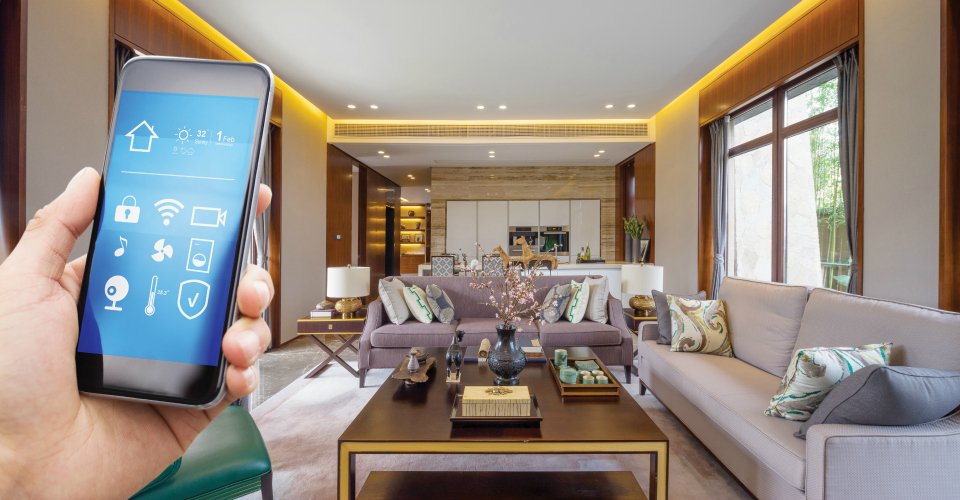
Silent circuits humming. In a world where we crave simplicity amidst chaos, smart home technology paradoxically adds layers of complexity to our daily lives. Yet, here’s the uncomfortable truth: ignoring these innovations means missing out on effortless living upgrades that could transform your routine from mundane to magnificent. This guide isn’t just about gadgets; it’s about weaving technology into the fabric of your lifestyle for better comfort, efficiency, and peace of mind. By the end, you’ll discover how smart home tech can make your home feel like an extension of yourself, saving time and energy—literally and figuratively.
My Accidental Smart Home Awakening
Picture this: a few years back, I was that skeptic, fumbling with tangled extension cords and cursing outdated light switches in my cramped New York apartment. It all changed one rainy evening when a power outage left me in the dark—literally. Frustrated, I finally splurged on a smart plug, thinking it was just another overpriced gizmo. Boy, was I wrong. That simple device let me control my lamps via my phone, and suddenly, evenings became about relaxation, not wrestling with wires. It’s like discovering a hidden superpower; one that makes everyday tasks a piece of cake.
This personal anecdote underscores a key lesson: smart home tech isn’t about flaunting fancy features; it’s about seamless integration into your lifestyle. Devices like smart thermostats and voice assistants can adapt to your habits, cutting energy bills by up to 10-15% according to real-world studies. But don’t take my word for it—opinions vary, and I firmly believe that the best setups start small, evolving with your needs. In the U.S., where we’re all about that hustle culture, these tools offer a ironic twist: they automate the mundane so you can focus on what truly matters, like family time or that long-overdue hobby.
From Roman Aqueducts to Wi-Fi Switches: A Timeless Evolution
Ever think about how ancient Romans engineered aqueducts to bring water into their homes? Fast forward to today, and we’re doing the same with IoT devices that manage everything from water usage to lighting. This cultural leap shows how innovation has always been about enhancing daily life, not just tech for tech’s sake. In modern lifestyles, smart home systems parallel those historical feats by promoting sustainability—imagine your fridge ordering groceries automatically, reducing waste like a well-oiled machine.
Here’s a twist: while Victorian-era homes boasted gas lighting as a status symbol, today’s connected homes emphasize accessibility. Take energy efficiency, for instance; it’s no longer a luxury but a necessity. A comparison of eras reveals stark differences: back then, inefficiency was the norm; now, with devices like smart meters, you can monitor consumption in real-time. To illustrate, let’s break it down in a simple table:
| Era | Key Innovation | Lifestyle Benefit | Drawback |
|---|---|---|---|
| Roman Times | Aqueducts | Access to clean water | High maintenance |
| Victorian Era | Gas Lighting | Extended work hours | Fire hazards |
| Modern Day | Smart Home Tech | Automated efficiency | Initial setup complexity |
This evolution isn’t just historical trivia; it’s a metaphor for how home automation systems can turn your space into a responsive environment, much like a living organism adapting to its surroundings. And just when you think it’s all smooth sailing, remember that over-reliance can feel like stepping into a Black Mirror episode—minus the dystopia, if you’re smart about it.
The Overlooked Hassles and How to Tame Them
What if I told you that the biggest barrier to smart home bliss isn’t the tech itself, but our own hesitation? In a serious tone, let’s address the elephant in the room: compatibility issues between devices can turn your dream setup into a frustrating puzzle. I mean, who wants to deal with apps that don’t talk to each other? It’s like trying to mix oil and water—impossible without the right emulsifier.
To solve this, start by auditing your current setup. First, identify core needs: security or energy savings? Then, research interoperable ecosystems like Google Home or Apple HomeKit. And that’s when it hits—realizing how a centralized hub can unify everything. For instance, integrating a smart lock with your doorbell not only boosts security but enhances your lifestyle by offering remote access, perfect for those busy urban dwellers. In British terms, it’s “sorted” once you nail the basics. Avoid the irony of buying gadgets that collect dust; instead, prioritize user-friendly options that align with your routine.
A Quick Experiment for Clarity
Try this: pick one room and add a single smart device, like a motion-sensor light. Observe how it changes your flow over a week. You’ll likely find it streamlines tasks, freeing up mental space for more meaningful pursuits.
As we wrap this up, here’s the twist: what if smart home tech isn’t just about convenience, but redefining what home means in our fast-paced world? It’s not merely gadgets; it’s about crafting a sanctuary that evolves with you. So, take action now—start by assessing your home’s smart potential today, perhaps with a free app audit. And think: how might these tools reshape your daily rhythm for the better? Share your thoughts in the comments; I’d love to hear if you’ve had your own “aha” moment with tech.