






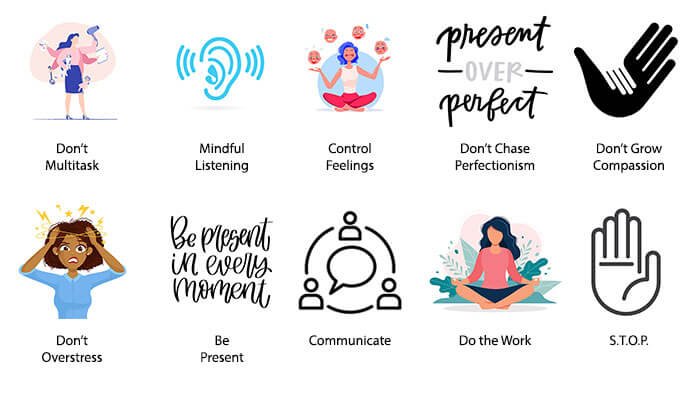
Chaos often lingers. In the whirlwind of modern parenting, where screens buzz and schedules clash, we chase perfection only to stumble into exhaustion. Here’s a stark truth: over 80% of parents report feeling overwhelmed, according to a recent study by the American Psychological Association. Yet, mindful parenting isn’t just another trendy fix—it’s a lifeline that transforms those frantic moments into meaningful connections, fostering deeper bonds and happier families. By following these steps, you’ll not only survive the daily hustle but thrive, creating a home filled with presence and peace.
My Unexpected Awakening: A Tale of Tantrums and Tea
Picture this: I’m in my kitchen, coffee cold and forgotten, as my three-year-old unleashes a meltdown over a spilled juice box. That day, years ago in rainy Seattle, I realized how autopilot parenting was eroding our joy. Instead of yelling—my go-to reflex—I paused, took a deep breath, and sat eye-level with her. What followed was magical: she calmed, we talked, and I learned that mindful parenting starts with simple awareness. It’s not about being perfect; it’s about being present.
From my perspective, this approach feels revolutionary because it flips the script on traditional discipline. I remember thinking, “Why didn’t anyone tell me that acknowledging my own frustration could defuse a child’s rage?” Drawing from my experiences, like incorporating daily mindfulness rituals, I’ve seen tangible benefits—less arguments, more laughter. And hey, in the Pacific Northwest, where the rain mirrors our emotional storms, this practice is like a warm blanket on a dreary day. But don’t just take my word; experts like Jon Kabat-Zinn emphasize that mindful parenting techniques build emotional resilience, helping kids navigate life’s ups and downs.
Through this personal lesson, the key takeaway is clear: start small. Begin with observing your reactions without judgment. It’s like untangling a knot—one pull at a time. And just when you think it’s impossible…
Echoes of the Past: How Ancient Cultures Nurtured Mindful Bonds
Fast-forward from my Seattle saga to the wisdom of indigenous communities, where parenting was never a solo battle but a communal dance. Take, for instance, the Maori of New Zealand, who weave mindful parenting practices into their “whanau” family structures. Historically, children weren’t rushed; they were observed and guided through rituals that emphasized patience and connection, contrasting sharply with today’s fast-paced Western world.
This cultural comparison hits hard because, in our era of instant gratification, we often forget that mindfulness isn’t new—it’s ancient. While Silicon Valley parents might obsess over app-based trackers, the Japanese concept of “ikigai” reminds us that purpose in parenting comes from being fully engaged. I find it ironic how we’ve complicated something so innate; as if adding more tech will solve the disconnect. Yet, studies from Harvard show that children of mindful parents exhibit better emotional regulation. Think of it as a bridge between eras: the stoic Spartans valued resilience through presence, much like how steps for mindful parenting today involve active listening over lecturing.
By blending these historical insights with modern life, we uncover a truth: mindfulness isn’t a fad; it’s a timeless tool. For parents juggling careers and kids, this means prioritizing quality interactions, like sharing a meal without phones. It’s not always easy, mind you, especially when the day’s chaos feels overwhelming.
The Overlooked Struggles: When Mindfulness Meets Real-Life Mayhem
Here’s the rub: even with the best intentions, mindful parenting can feel like climbing a greased pole—slippery and frustrating. Many parents assume it’s all about meditation apps and zen vibes, but that’s a myth that ignores the daily grind. In truth, the biggest challenge is consistency, especially when exhaustion hits after a long day of work and chores.
Let’s address this head-on with a practical exercise. Imagine you’re skeptical, thinking, “Sure, but who has time for this?” Well, try this: next time your child interrupts your work call, instead of snapping, pause and acknowledge their need. It might look like this—breathe, respond calmly, and reconnect. Over time, this builds trust. To make it concrete, here’s a simple comparison:
| Traditional Approach | Mindful Alternative |
|---|---|
| React immediately to misbehavior | Pause, reflect, and respond thoughtfully |
| Focus on outcomes (e.g., grades) | Emphasize the process (e.g., effort and emotions) |
| Rigid schedules | Flexible routines with space for connection |
As you can see, the mindful path offers deeper rewards, like stronger family ties. Drawing from pop culture, remember Mr. Rogers? His gentle approach wasn’t just TV magic; it mirrored effective mindful parenting steps that prioritize empathy. By tackling these pitfalls with intention, you’ll find solutions that stick, turning potential failures into growth opportunities.
A Fresh Lens: Wrapping Up with Purpose
What if I told you that mindful parenting isn’t just for your kids—it’s a gift to yourself? That’s the twist: by practicing these steps, you’re reclaiming your own peace amid the chaos. So, take action now: pick one step, like daily breathing exercises with your child, and watch the difference unfold.
And one more thing—how do you define success in parenting? Reflect on that, share your thoughts in the comments, and let’s build a community around this journey. It’s not just about raising kids; it’s about evolving together.