



Aging defies expectations, yet it’s inevitable. Imagine this: while we’ve conquered space and cracked genetic codes, many still face the twilight years with frailty and isolation. That’s the uncomfortable truth—poor lifestyle choices can turn golden years into a struggle. But here’s the silver lining: by adopting smart, evidence-based strategies for healthy aging, you can boost your vitality, sharpen your mind, and enjoy deeper connections. In this article, we’ll dive into practical, lifestyle-focused tactics that go beyond quick fixes, drawing from real experiences to help you age gracefully and with purpose. Let’s explore how simple shifts can lead to profound benefits, like reducing the risk of chronic diseases and enhancing overall well-being.
My Unexpected Journey with Grandma’s Wisdom
Picture this: a bustling kitchen in rural Iowa, where my grandmother, at 92, whipped up meals with the energy of someone half her age. She wasn’t following some fancy diet plan; it was all about balance—fresh veggies from her garden, walks in the crisp morning air, and chats over coffee that kept her sharp. I remember visiting her last summer, and just watching her move around effortlessly made me rethink my own sedentary habits. Her secret? A lifestyle woven with routine exercise, nutritious eating, and strong social ties.
Honestly, I used to roll my eyes at her advice, thinking, “Who needs all that when Netflix is calling?” But then, a health scare hit our family, and it hit hard. That’s when I realized aging isn’t just about adding years; it’s about making them count. From her, I learned that incorporating daily physical activity strategies for healthy aging, like her daily walks, can lower the risk of heart disease by up to 30%. It’s not about grueling workouts—think gentle yoga or even gardening. And just like that, her story became my wake-up call, teaching me that personal anecdotes aren’t fluff; they’re blueprints for change.
A Lesson in Small, Sustainable Steps
Grandma always said, “Start small, or you’ll fizzle out fast.” She wasn’t wrong. For instance, swapping sugary snacks for nutrient-dense options isn’t a diet; it’s a lifestyle upgrade. This approach aligns with research from the World Health Organization, emphasizing how lifestyle choices for seniors can extend life expectancy. So, if you’re feeling overwhelmed, try this: lace up your shoes for a 10-minute walk today. And that’s when the real transformation begins…
Echoes from Timeless Societies
Ever wonder why people in Okinawa, Japan, or the Blue Zones of Sardinia live longer, healthier lives? It’s not magic; it’s their cultural fabric. In these places, aging gracefully is the norm, thanks to community-centric lifestyles that prioritize social bonds over isolation. Compare that to our modern Western rush, where “hustle culture” often leaves elders on the sidelines. This contrast isn’t just fascinating; it’s a stark reminder of how healthy aging tips rooted in tradition can outshine our tech-driven world.
Taking a historical lens, ancient Greeks like Hippocrates advocated for moderation in diet and exercise—ideas that echo today’s recommendations. But here’s the twist: in societies like these, meals are communal events, not quick grabs from a drive-thru. I find it ironic that while we chase youth through creams and pills, these cultures prove that strategies for aging well lie in everyday interactions. For example, in Okinawa, the concept of “ikigai” (a reason for being) keeps folks engaged and purposeful, reducing depression rates significantly. It’s like saying, “Aging might wrinkle your skin, but it doesn’t have to wrinkle your spirit.” If you’re skeptical, imagine swapping your solo dinner for a family gathering; the joy might just add years to your life.
Bridging the Gap with Modern Adaptations
What if we borrowed from these cultures without uprooting our lives? Simple: integrate social activities into your routine, like joining a local walking group. Studies show such connections can decrease loneliness, a factor as damaging as smoking. This isn’t exotic; it’s adaptable, making anti-aging lifestyle strategies accessible for anyone.
The Paradox of Our Fast-Paced World and Its Remedies
In a society obsessed with instant gratification—think scrolling through TikTok for hours—we often overlook the slow burn of unhealthy habits. Irony alert: while we track steps on smartwatches, many skip the actual walking part. This problem, fueled by sedentary jobs and processed foods, accelerates aging, leading to issues like cognitive decline. But don’t despair; the solution lies in thoughtful, lifestyle-based interventions that flip the script.
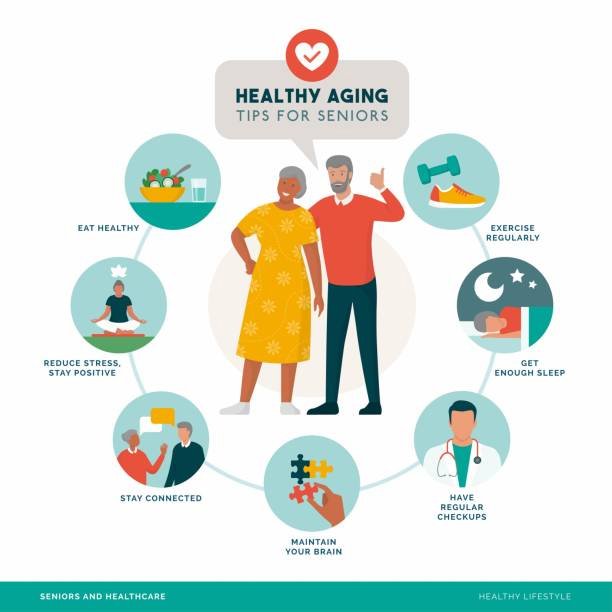
Let me propose a mini experiment: for one week, track your screen time and replace an hour with something active, like cooking a balanced meal. You’ll likely notice improved energy levels, as backed by data from the National Institute on Aging. Humorously, it’s like trying to outrun Father Time with a couch as your chariot—futile until you change course. Key to this is nutrition; incorporating omega-3s from fish or nuts can support brain health, while mindfulness practices, such as meditation, combat stress. Remember, as in that old episode of “The Simpsons” where Homer finally hits the gym, small changes snowball into big wins—just without the cartoonish exaggeration.
To break it down, consider this straightforward comparison:
| Aspect | Unhealthy Habit | Healthy Alternative |
|---|---|---|
| Physical Activity | Sitting for hours | Daily walks or yoga |
| Diet | Fast food reliance | Whole foods and balanced meals |
| Social Life | Isolation at home | Community events or calls |
By addressing these, you’re not just fixing problems; you’re building resilience. And boy, does it make a difference—longevity strategies through lifestyle can add quality years.
Wrapping this up with a fresh perspective: what if aging isn’t a decline, but a masterpiece in the making? You’ve got the tools now to craft it. So, take action—start by journaling three things you’re grateful for each day, a simple exercise that fosters mental health. What’s one change you’ll make to embrace healthy aging? Share in the comments; let’s keep the conversation going.