





Silent revolutions begin. That’s right—those quiet, personal shifts in how we live our lives often start with something as simple as a well-crafted goal. Yet, here’s a stark truth: despite our best intentions, over 80% of New Year’s resolutions fizzle out by February, leaving us back in the same old rut. In the whirlwind of modern lifestyle demands, from balancing work and wellness to nurturing relationships, ineffective goal setting can feel like chasing shadows. But what if I told you that mastering these steps could transform your daily routine into a pathway of purposeful change? In this article, we’ll dive into practical, lifestyle-focused strategies for effective goal setting that not only stick but elevate your overall well-being. Stick around, because by the end, you’ll have the tools to turn aspirations into actionable reality.
My Wake-Up Call: Turning Dreams into Reality
I remember that rainy afternoon in Seattle, coffee in hand, staring at my overflowing to-do list that promised everything from daily runs to mastering a new language. It was supposed to be the year I finally got fit, but by March, I’d kicked the can down the road so many times that my sneakers gathered dust. That failure wasn’t just disappointing; it was a wake-up call, teaching me that goals without structure are like building a house on sand. In my case, I learned the hard way that effective goal setting in a lifestyle context means starting small and building up. Think about it: back in my 20s, I tried to overhaul my entire routine overnight, only to crash and burn. But when I broke it down—first, committing to a 10-minute walk each morning—that’s when the magic happened. It’s not about grand gestures; it’s about achieving personal goals through consistent, bite-sized steps.
From my perspective, this approach humanizes the process, making it less about robotic checklists and more about real life. Sure, some might argue that goals should be lofty to inspire, but I’ve found that in the hustle of everyday lifestyle choices, like choosing a salad over fast food or squeezing in meditation amid family chaos, the key is realism. And just like in The Matrix, where Neo has to take that first red pill to see the truth, you need to confront your habits head-on. So, here’s a mini experiment for you: grab a notebook right now and jot down one small goal for tomorrow. See how it feels—empowering, right?
From Ancient Scrolls to Modern Planners: How Cultures Shape Our Goals
Ever wonder how the Romans, with their stoic philosophies, approached goal setting compared to today’s Instagram-driven world? It’s a fascinating comparison that highlights the timelessness of steps for effective goal setting. In ancient times, figures like Seneca emphasized breaking life into manageable parts, much like how we segment our modern lifestyles today. Take Japan, for instance, where the concept of “kaizen”—small, continuous improvements—has shaped everything from business to personal wellness. It’s not just a buzzword; it’s a cultural nod to how incremental changes lead to profound lifestyle transformations, like turning a chaotic commute into a mindful ritual.
But here’s the truth that’s often overlooked: in the U.S., we’re bombarded with “overnight success” stories, which can make goal setting feel like a piece of cake or a total myth. I mean, who hasn’t scrolled through social media and felt that pang of envy? Yet, drawing from historical practices, effective lifestyle goals aren’t about flashy wins; they’re about weaving aspirations into the fabric of daily life. For example, comparing the Roman practice of daily reflections to journaling apps, we see a clear evolution: both demand honesty and adjustment. Let’s break it down in a simple table to highlight the advantages.
| Aspect | Ancient Roman Approach | Modern Lifestyle Tool |
|---|---|---|
| Focus | Daily reflection for virtue | App reminders for habits |
| Advantages | Builds mental resilience | Tracks progress easily |
| Disadvantages | Lacks immediate feedback | Can lead to tech dependency |
This blend of old and new shows that lifestyle goal setting thrives on adaptation. And that’s when it hits you—the power isn’t in the method, but in making it your own.
The Pitfalls We All Stumble Into and How to Dodge Them
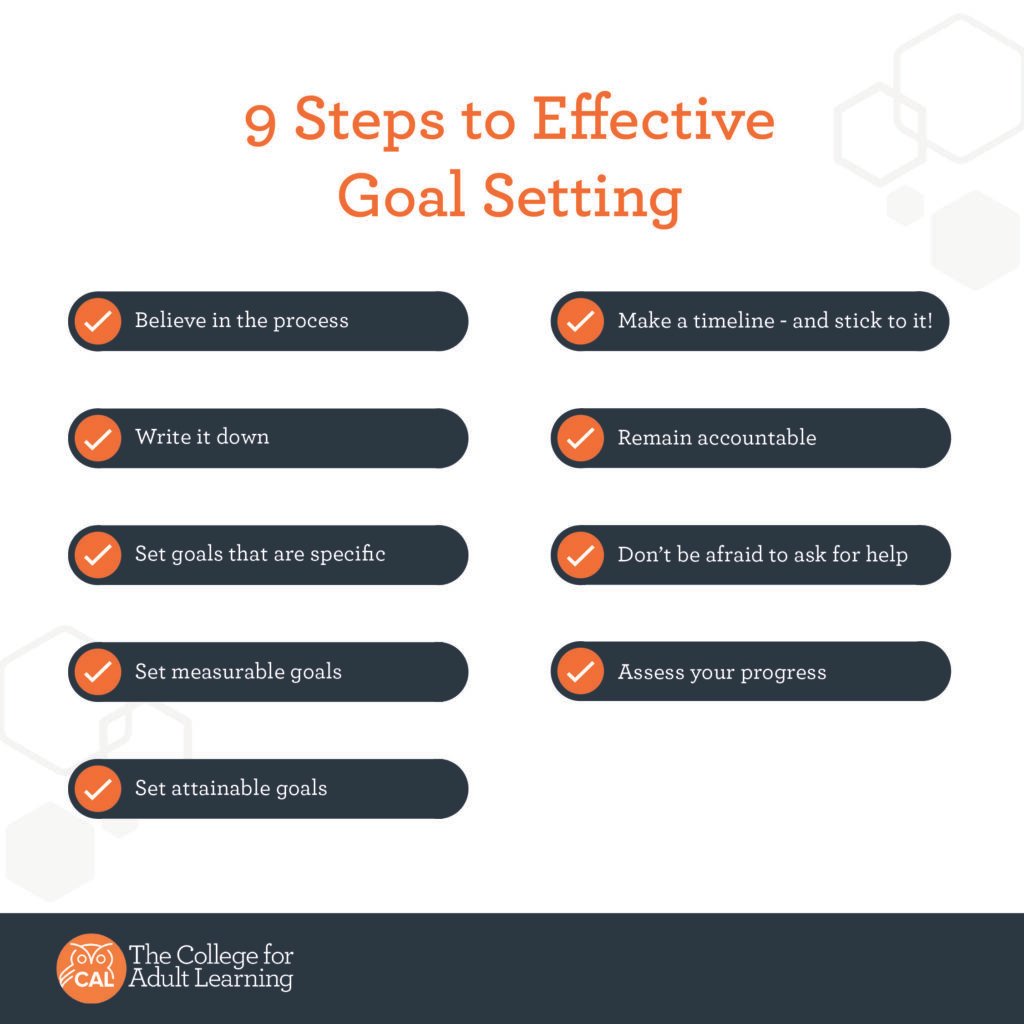
Picture this: you’re all fired up about your new fitness goal, only to hit that wall of excuses a week in. It’s ironic, isn’t it, how we set these lofty lifestyle targets with the best intentions, yet overlook the obvious traps? In my experience, one common pitfall is vagueness—saying “I want to be healthier” without specifics is like trying to herd cats in a windstorm. But here’s the solution: make your goals SMART—Specific, Measurable, Achievable, Relevant, and Time-bound. That way, you’re not just dreaming; you’re plotting a course.
Another issue? Overloading your plate, which leads to burnout faster than you can say “self-care.” I once tried juggling a career shift, diet overhaul, and hobby all at once—disaster. The fix? Prioritize ruthlessly, focusing on what aligns with your core lifestyle values. And just to keep things real, let’s imagine a conversation with a skeptical reader: “But what if life throws curveballs?” I’d say, build in flexibility—adjust as needed, because effective goal setting isn’t rigid; it’s adaptive. Try this exercise: list three potential obstacles to your goal and brainstorm one counter for each. 1. Obstacle: Lack of time. Counter: Schedule it like an appointment. 2. Obstacle: Motivation dips. Counter: Pair it with something enjoyable. 3. Obstacle: External pressures. Counter: Reaffirm your why. See? It’s about turning irony into insight.
What if your goals aren’t just about the destination, but about crafting a richer, more intentional lifestyle along the way? That’s the twist—true success lies in the journey’s quality. So, take action now: pick one step from this article and apply it today. How has achieving personal goals reshaped your daily habits, and what’s one goal you’re committing to right now? Share in the comments; let’s keep the conversation going.