






Slouch no more, that nagging ache. Did you know that poor posture isn’t just a bad habit—it’s a silent thief stealing your energy, productivity, and even your mood? In our desk-bound world, where screens dominate eight-hour shifts, millions suffer from back pain linked directly to slumping shoulders and forward heads. But here’s the twist: adopting better posture at work isn’t about rigid rules; it’s about reclaiming your body’s natural rhythm for a more vibrant lifestyle. By the end of this article, you’ll have practical tips to ease that tension, boost your focus, and feel more alive every day—without turning your office into a yoga studio.
My Back’s Rebellion: A Lesson from My Own Desk Drama
Picture this: me, glued to my computer in a cramped home office during the pandemic, shoulders rounded like a question mark after endless Zoom calls. I thought I was just “working hard,” but truth be told, my back had other plans. One morning, after a particularly grueling week, I woke up to a sharp pain that made even brewing coffee feel like a marathon. It was my body’s way of saying, “Enough!” This wasn’t some made-up tale; it’s the real deal from my Seattle routine, where rainy days kept me indoors, fostering that all-too-common desk slump.
From my experience, good posture starts with awareness—something I learned the hard way. Instead of the usual “sit up straight” advice, think of it like tuning a guitar: if the strings are slack, the music falls flat. Improving posture at work means aligning your spine so energy flows freely, reducing that foggy-headed fatigue. I incorporated simple changes, like setting a timer for micro-breaks, and suddenly, my afternoons weren’t a battle against drowsiness. Opinion here? It’s not about perfection; it’s about listening to your body, as I wish I had earlier. And just when you think it’s too late—bam—it turns around.
From Gladiator Stances to Cubicle Slouches: A Cultural Evolution
Ever wonder how ancient Romans maintained their empire while standing tall in armor? Contrast that with today’s office warriors, hunched over keyboards like modern gladiators in a losing fight against ergonomics. Historically, cultures like the Japanese emphasized “seiza,” a kneeling posture that promotes mindfulness and back health, while Western societies shifted to chairs with the Industrial Revolution—great for productivity, but at what cost? In the U.S., where “pull yourself up by your bootstraps” is a modism we’ve overused, we’ve overlooked how our seated lifestyles contradict that very spirit.
This comparison hits home because workplace ergonomics aren’t just about comfort; they’re about preserving cultural legacies of resilience. Take it from me: after reading about how samurai trained for perfect alignment, I tried mimicking their stance during calls. It felt awkward at first, like wearing shoes two sizes too big, but it highlighted how poor habits creep in. Synonym for better living? Call it “spinal savvy.” By weaving in these historical threads, we see that tips for better posture at work can bridge past wisdom with present needs, preventing the chronic issues that affect one in four desk workers, according to recent studies.
The Invisible Enemy: Unmasking Posture Pitfalls with a Dose of Reality
What if your chair is the culprit, silently sabotaging your workday without you even noticing? Irony alert: we spend fortunes on fancy gadgets but ignore the basic setup that keeps us upright. In my case, that meant realizing my “ergonomic” chair was more foe than friend, with its worn-out cushion encouraging me to lean back like a character from “The Office,” perpetually slouched in that infamous desk chair. You know, the one where Michael Scott’s bad posture mirrors our own comedic struggles.
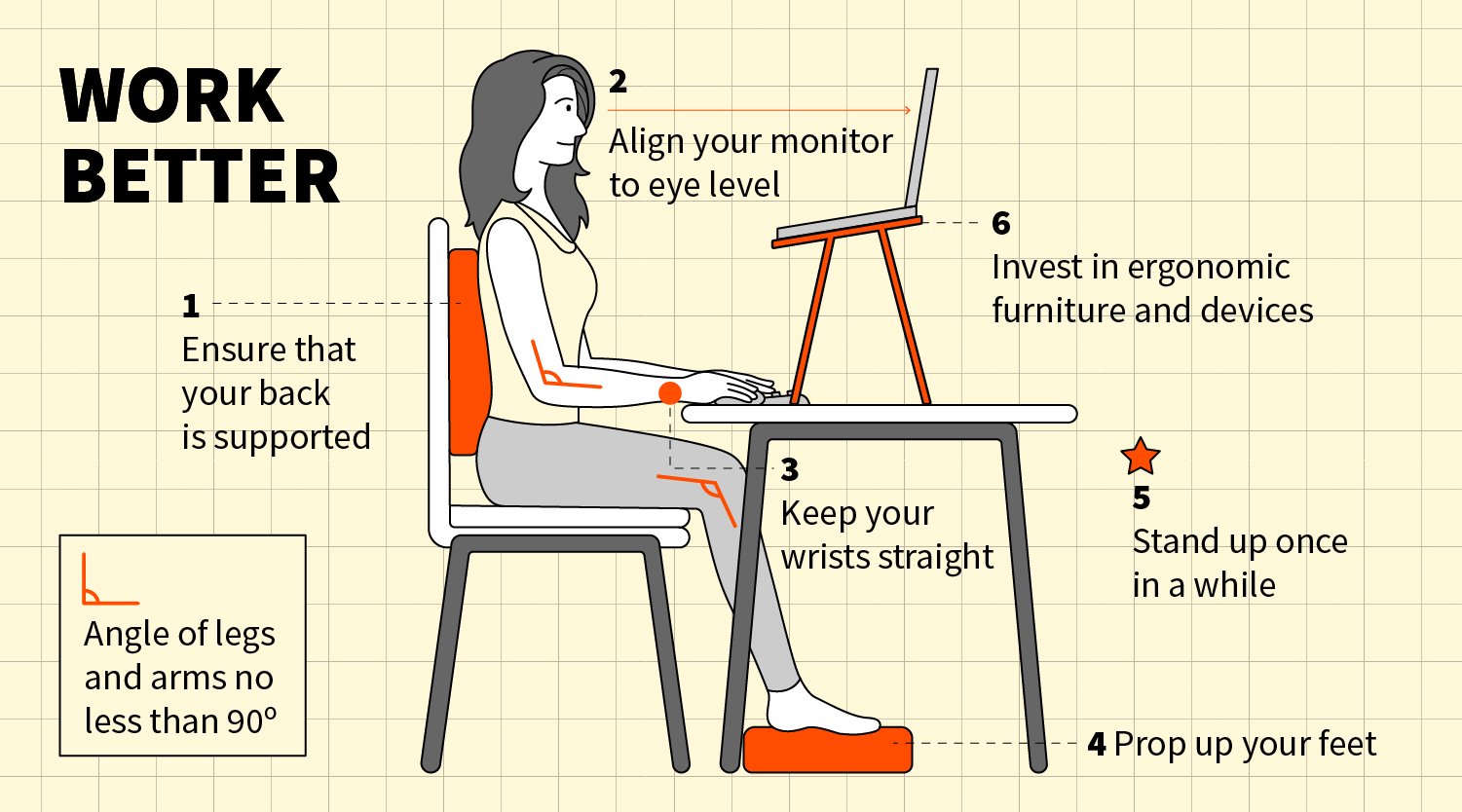
To tackle this, let’s break it down practically. First, assess your setup: is your screen at eye level? If not, you’re straining your neck like a giraffe in a phone booth—metaphorically speaking, of course. Second, incorporate movement; I started with desk stretches, and wow, the difference was night and day. And that’s when it hit—pure energy boost. For a deeper dive, here’s a simple table to compare common postures and their fixes, because visuals stick better than words:
| Posture Issue | Drawbacks | Quick Fix |
|---|---|---|
| Forward head posture | Neck strain, reduced focus | Position screen at eye level; use a stand if needed |
| Slumped shoulders | Back pain, poor circulation | Set reminders to roll shoulders back every 30 minutes |
| Uneven sitting | Hip imbalance, fatigue | Adjust chair height for feet flat on the floor |
This isn’t just advice; it’s a call to action against the ergonomic posture tips we often dismiss. By addressing these with a straight-up approach, you’ll not only prevent pain but enhance your overall lifestyle—think clearer thoughts and that extra pep in your step.
A Final Stand: Rethinking Your Daily Pose
In wrapping this up, here’s the twist: what if better posture isn’t about fixing flaws, but unlocking a more empowered you? It’s not just physical; it’s a mindset shift that ripples into every aspect of your lifestyle, from sharper decision-making to better sleep. So, take this actionable step right now: stand up, shake out your arms, and adjust your chair for optimal alignment. How has your posture shaped your work life—or held you back? Share your thoughts in the comments; let’s turn this into a conversation that straightens more than just spines.