




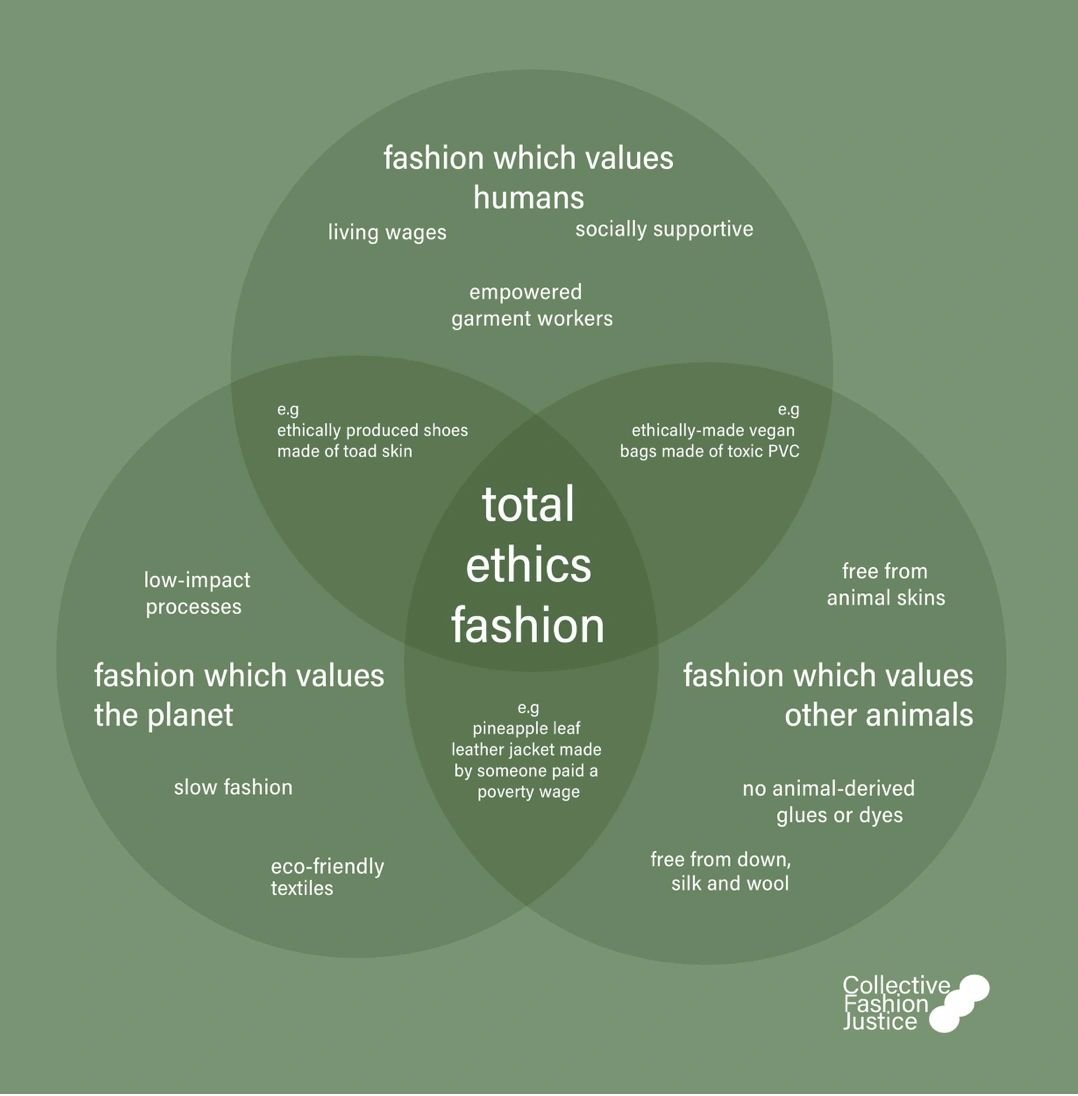
Silent closets accuse. That’s the harsh truth lurking in every overflowing wardrobe, where cheap trends mask a darker reality: the fashion industry’s voracious appetite for resources and exploitation. Did you know that the production of clothing contributes to 10% of global carbon emissions, more than international flights and maritime shipping combined? Yet, as consumers, we’re often left navigating a maze of labels and promises, wondering if our choices truly make a difference. This guide isn’t just about picking threads; it’s about reclaiming your power to foster a sustainable lifestyle, one outfit at a time. By learning how to choose ethical fashion, you’ll not only reduce your environmental footprint but also support fair labor practices, turning your daily wear into a statement of integrity.
My Unexpected Fabric Awakening
Picture this: a few years back, I was rummaging through my closet, surrounded by piles of fast-fashion buys that promised style on a budget. And that’s when I realized… the true cost wasn’t on the price tag. I’d just returned from a trip to Bangladesh, where I witnessed firsthand the grueling conditions in garment factories—workers earning pennies for long hours, all to feed our insatiable demand for the latest trends. It hit me like a rogue wave; fashion, that supposed escape, was complicit in inequality. This personal jolt taught me a vital lesson: ethical fashion starts with scrutiny. Instead of blindly grabbing the next “must-have,” I began prioritizing materials like organic cotton or recycled polyester, which minimize harm to both people and the planet. It’s not just about what you wear; it’s about the stories woven into the fabric, reminding us that every purchase echoes beyond our mirrors.
A Deeper Dive into Material Realities
In my quest, I discovered that not all “green” claims hold water. Take, for instance, the rise of bamboo fabric—touted as eco-friendly, but often processed with chemicals that pollute waterways. My opinion? It’s a slippery slope; we need to demand transparency from brands. By incorporating sustainable clothing options like Tencel from eucalyptus or hemp, you’re choosing fibers that require less water and pesticides. This isn’t pie-in-the-sky idealism; it’s practical, grounded action. Remember, like a well-timed plot twist in a series such as “The Good Place,” where characters grapple with moral choices, your wardrobe can pivot from villain to hero with informed decisions.
From Industrial Revolution to Eco-Revolution: A Cultural Shift
Fast-forward from the 19th-century mills of Manchester, where child labor fueled the textile boom, to today’s ethical movements in places like Scandinavia. Back then, it was all about mass production; now, countries like Sweden lead with circular economy models, emphasizing reuse and minimal waste. This comparison of ethical fashion evolution highlights a stark contrast: while historical practices prioritized profit over people, modern approaches, such as those in the EU’s Green Deal, push for regulations that enforce fair wages and sustainable sourcing. It’s like watching a cultural pendulum swing—responsible fashion choices aren’t a fad; they’re a necessary correction.
| Aspect | Traditional Fashion | Ethical Fashion |
|---|---|---|
| Environmental Impact | High pollution from synthetic dyes and waste | Lower footprint with natural, biodegradable materials |
| Labor Practices | Often exploitative, low wages | Fair trade certified, ensuring living wages |
| Cost to Consumer | Initially cheaper, but frequent replacements | Investment pieces that last longer and align with values |
This table isn’t exhaustive, but it underscores why eco-friendly apparel is worth the extra effort. In regions like the UK, where “keeping up with the Joneses” once meant chasing trends, there’s now a grassroots shift towards brands like Patagonia, proving that quality trumps quantity.
Untangling the Ethical Knot: A Serious Path Forward
Here’s the irony: in a world overloaded with information, misinformation about how to choose ethical fashion can leave you second-guessing every label. Brands slap on vague terms like “sustainable” without backing it up, making it feel like a game of ethical hide-and-seek. But let’s cut through the noise—start by verifying certifications such as Fair Trade or GOTS (Global Organic Textile Standard). My take? It’s not about perfection; it’s about progress, like gradually swapping out items in your wardrobe for those from verified sources. To make it real, try this: pick one piece you own and trace its origins online. You might uncover surprises, prompting a mini experiment in your own life—compare the durability of an ethical buy versus a fast-fashion equivalent over six months. This approach, rooted in cultural awareness, ensures your lifestyle choices reflect a deeper commitment, far from the “throwaway” mentality that’s as outdated as vinyl records in a streaming era.
In wrapping up, what if the clothes on your back could rewrite the narrative of consumerism? By embracing ethical clothing brands, you’re not just dressing up; you’re dressing for change. So, take action now: audit your closet and commit to one ethical purchase this month—your future self will thank you. How will you redefine your style to honor both people and planet? It’s a question that deserves your thoughtful reply in the comments.