






Fasting isn’t always simple, but here’s the twist: in a world obsessed with quick fixes, intermittent fasting stands out as a double-edged sword. It promises weight loss, better energy, and even sharper focus, yet rushing into it without thought can lead to headaches, irritability, or worse. Imagine skipping meals only to feel like you’re running on empty— that’s the uncomfortable truth many overlook. This article dives into when intermittent fasting might be right for you, offering a roadmap to weave it into your lifestyle without turning your routine upside down. By the end, you’ll grasp not just the “how,” but the “why” it could transform your daily habits for the better.
My Accidental Dive into Intermittent Fasting
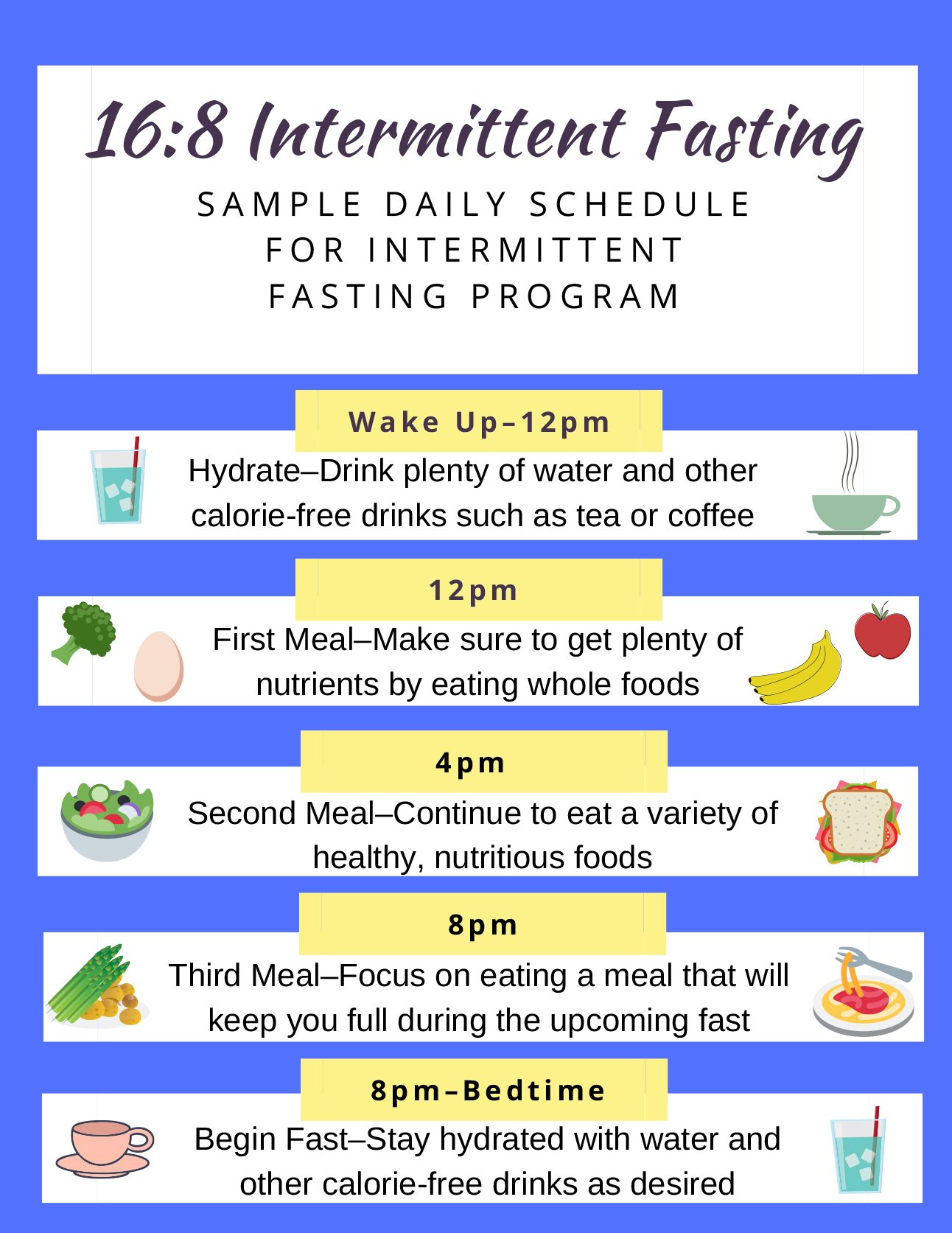
Picture this: I was juggling a hectic job, family dinners, and that nagging feeling of always being a step behind on my health goals. Back in 2018, after reading about celebrities swearing by 16-hour fasts—think of it like the reset button in a video game, but for your metabolism—I decided to give intermittent fasting a shot. Only, it wasn’t as glamorous as those The Biggest Loser episodes made it seem. I started with the 16:8 method, eating within an eight-hour window, and boy, did I hit walls. One morning, after a skipped breakfast, I felt foggy-headed during a meeting, thinking, “And just like that, my productivity tanked.”
But here’s my subjective take, backed by what I’ve learned: it’s not about forcing a trend; it’s about listening to your body. For me, a 40-something in the suburbs, it worked wonders once I aligned it with my natural rhythms. I dropped a few pounds, sure, but more importantly, it taught me discipline—like how intermittent fasting can be that unexpected ally in building time-restricted eating habits for long-term wellness. If you’re eyeing this for weight management, remember, it’s personal; what clicked for me might not for you, especially if you’re dealing with stress or irregular sleep.
Fasting’s Timeless Echoes in Everyday Life
Fast-forward through history, and you’ll see intermittent fasting isn’t some modern fad—it’s woven into cultural fabrics worldwide. Take Ramadan, for instance, where millions practice dawn-to-dusk fasting, not just for faith but for community and reflection. It’s like comparing an ancient ritual to today’s app-tracked diets; both demand restraint, but the latter often lacks that deeper, soul-nourishing layer. In the U.S., where “grab and go” is the norm, this practice feels almost rebellious, a quiet pushback against our bite-the-bullet eating habits.
Now, let’s get real: if you’re pondering when to start intermittent fasting for beginners, consider how it mirrors historical patterns. Ancient Greeks fasted for health, much like how modern studies link it to improved insulin sensitivity. But here’s the irony—while our ancestors did it out of necessity, we’re doing it for optimization, sometimes ignoring red flags like underlying health issues. In my opinion, that’s where it gets tricky; it’s a tool, not a cure-all. For those in fast-paced cities, it could enhance focus, but for others, like new parents or shift workers, it might disrupt more than it helps. Think of it as a bridge between past wisdom and present needs, but cross it carefully.
A Modern Twist on Ancient Advice
Digging deeper, intermittent fasting’s benefits, such as autophagy—the body’s way of cleaning house—echo those old-school detoxes. Yet, in our era of instant gratification, we often skip the prep, leading to burnout. If you’re curious, try this mini experiment: track your energy for a week without changes, then ease into a 12-hour fast. You’ll see how it intermittent fasting benefits like mental clarity emerge, but only if it fits your lifestyle puzzle.
The Hidden Pitfalls and When to Hold Back
Alright, let’s address the elephant: not everyone’s ready for intermittent fasting, and pretending otherwise is like ignoring a storm cloud on a hike. I once pushed through a fast during a stressful week, only to end up with low blood sugar—yikes, that was a wake-up call. For folks with conditions like diabetes or eating disorders, it’s a no-go without medical advice. The problem? Social media glamorizes it as a quick fix, but the truth is messier; it can exacerbate issues if you’re not eating enough overall.
To solve this, start with self-assessment: are you getting adequate sleep, managing stress? If not, fasting might amplify those problems. Here’s a simple comparison—think of it like choosing between a high-intensity workout and a gentle walk; the former’s great for fitness buffs, but the latter suits beginners. In the U.S., where workaholism is practically a badge of honor, many jump in too soon, missing that it’s about intermittent fasting for weight loss only when paired with balance. My advice? Consult a pro; it’s not worth the risk for a trend.
And that’s when I realized, true lifestyle change comes from intention, not impulse.
Wrapping It Up with a Fresh Lens
In the end, intermittent fasting isn’t just about the clock; it’s a mirror reflecting how we value our health in the chaos of daily life. Here’s the twist: what starts as a diet tool can evolve into a profound shift, fostering mindfulness over meals. So, take action now—grab that journal and jot down your eating patterns; it’s the first step toward a sustainable routine. Have you ever paused to ask yourself: how might intermittent fasting reshape not just your body, but your relationship with time itself? Share your thoughts in the comments; let’s keep the conversation going.