







Screens everywhere, lurking shadows. It’s ironic, isn’t it? In a world where technology promises to connect us, we’re more isolated than ever, glued to glowing rectangles that suck away our hours. Research from the American Psychological Association reveals that the average adult spends over 11 hours a day staring at screens, leading to everything from sleep disturbances to strained relationships. But here’s the real kicker: by reducing screen time, you can reclaim your evenings, boost your mental clarity, and foster deeper, more meaningful connections in your daily life. Let’s dive into practical ways to break free and embrace a healthier lifestyle.
My Unexpected Wake-Up Call with Screens
Picture this: a few years back, I was that guy, endlessly scrolling through social feeds late into the night, ignoring the world around me. Living in bustling New York City, where everyone’s hustling with their phones, I thought it was normal. But one rainy evening, after binge-watching yet another season of “Black Mirror”—that show hits too close to home, doesn’t it?—I woke up with a headache and realized I’d missed a friend’s call about a family gathering. That moment stung, like a sudden rainstorm ruining your picnic. I believe it’s these small losses that add up, eroding our real-life joys. From that slip-up, I learned that reducing screen time isn’t just about health; it’s about prioritizing what matters, like face-to-face chats over digital noise.
This personal shift taught me a vital lesson: screens can be addictive thieves, stealing moments we’d never get back. In my case, swapping late-night scrolling for a simple walk in Central Park changed everything. It’s not about going cold turkey—nobody’s perfect—but starting with awareness. And just like kicking the habit of too much coffee, it takes gradual steps to manage digital consumption. If you’re nodding along, try this: next time you reach for your phone, pause and ask, “Is this adding value or just filling time?”
From Ancient Scrolls to Modern Glow: A Cultural Evolution
Ever wonder how we got here? Compare it to ancient times, when people pored over scrolls under candlelight, engaging deeply with ideas rather than skimming. In modern Japan, for instance, there’s a cultural pushback with concepts like “shinrin-yoku,” or forest bathing, emphasizing nature over screens to restore balance. It’s a stark contrast to our Western obsession, where digital detox feels like a luxury rather than a necessity. This evolution highlights a uncomfortable truth: while technology advances, our lifestyles suffer, with studies linking excessive screen use to increased anxiety levels.
Think of it this way—screens are like those ever-burning fires in old myths, mesmerizing but dangerous if unchecked. In the U.S., where multitasking is a badge of honor, we’ve normalized this glow, but at what cost? My opinion? It’s time we borrowed from history, like the Greeks who valued moderation in all things. By reducing screen time, you’re not rejecting progress; you’re curating a lifestyle that honors both innovation and human connection. And that’s when it hits, right in the middle of a busy day, how much richer life could be without the constant buzz.
The Stealthy Thief of Time: Confronting the Overload
Here’s a disruptor for you: what if your phone, that trusty companion, is actually sabotaging your well-being? In our fast-paced lifestyle, screen time reduction strategies often get overlooked, yet they’re essential for maintaining focus and energy. Take my experiment—last month, I set strict limits using apps like Freedom, blocking distractions during work hours. The results? More productive mornings and actual conversations with colleagues, instead of hiding behind emails.
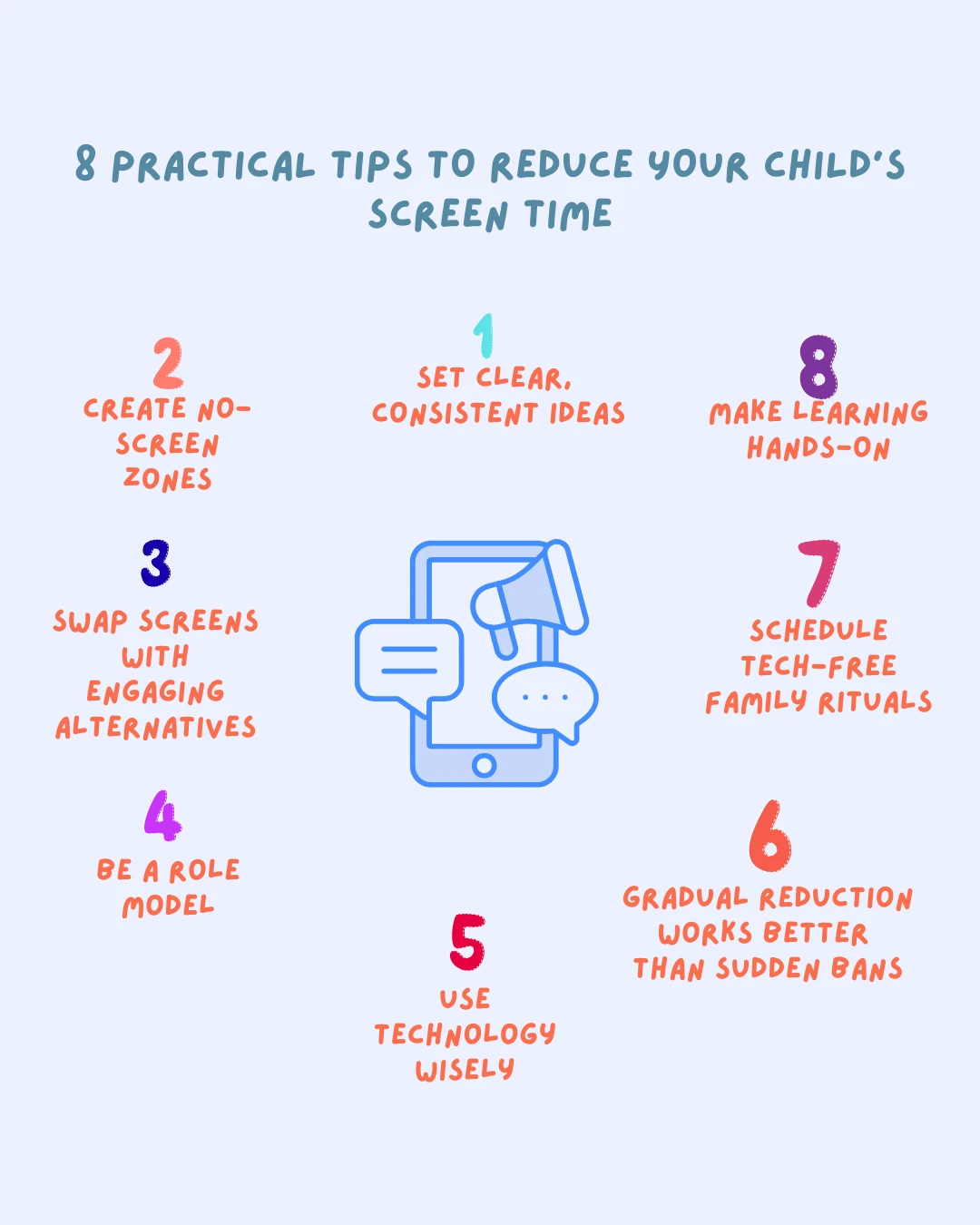
But let’s address the elephant: breaking free isn’t easy, especially with notifications pulling you back like an undertow. A common myth is that you need drastic changes, but the truth is, small tweaks work wonders. For instance, designate “no-screen zones” in your home, like the dinner table, to encourage family bonding. In Britain, folks might say “put the kettle on” as a break ritual, stepping away from devices for a brew. By incorporating such habits, you create space for hobbies or exercise, enhancing your overall healthy lifestyle. Remember, it’s not about perfection; it’s about progress, one step at a time.
| Strategy | Advantages | Disadvantages |
|---|---|---|
| Set app timers | Easy to implement, promotes self-awareness | May require discipline to stick |
| Outdoor activities | Boosts physical health, natural detox | Weather-dependent in some regions |
| Bedtime routines without devices | Improves sleep quality, reduces blue light exposure | Initial adjustment period |
A Fresh Perspective on Digital Freedom
In wrapping this up, what if reducing screen time isn’t about isolation, but about unlocking a more vibrant, engaged life? It’s a twist that flips the script: less scrolling means more living. So, take action now—grab a notebook and jot down your daily screen habits for a week. What patterns emerge? And here’s a serious question to ponder: how might your relationships transform if you traded screens for presence? Share your thoughts in the comments; let’s start a conversation on reclaiming our time.