








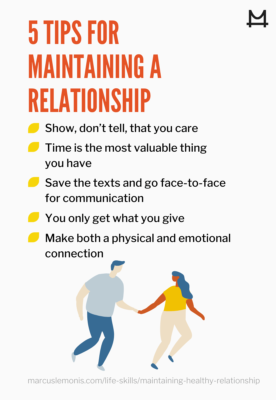
Silent battles rage. In the quiet corners of our daily lives, poor relationships erode happiness like unseen termites in a wooden beam. It’s a contradiction: we crave deep connections yet often sabotage them with misunderstandings and neglect. Think about this—studies show that 40% of adults report loneliness as a significant issue, yet simple strategies can transform these bonds into sources of joy and support. In this article, we’ll dive into practical, lifestyle-focused approaches to nurture better relationships, helping you build resilience and fulfillment in your everyday interactions. By the end, you’ll have actionable insights to foster deeper, more meaningful connections, because who wouldn’t want a life less lonely and more vibrant?
The Moment That Changed Everything for Me
I remember that rainy afternoon in my hometown of Manchester, where the grey skies mirror the mood half the year. It was during a casual coffee catch-up with an old friend—let’s call him Alex—that I realized how far we’d drifted. We’d been mates since university, sharing laughs over pints and late-night chats, but life got in the way. Work, family, the usual excuses. And you know what? It was tough, really tough, watching him sit there, distant, while I rambled on about my own woes. In that moment, I saw my role in our fading bond: I’d stopped listening, stopped making the effort. This personal anecdote isn’t just a story; it’s a wake-up call. Effective communication in relationships isn’t about grand gestures; it’s the small, daily acts that keep the fire alive.
From that day, I adopted a simple rule: always ask one genuine question before sharing my own thoughts. It’s like tending a garden—neglect it, and weeds take over. My opinion? In our fast-paced lifestyle, we undervalue presence. We’re glued to screens, missing the nonverbal cues that speak volumes. Drawing from my experience, this strategy turned things around with Alex; we rekindled our friendship through shared walks and honest talks. For you, the reader, consider how a similar approach could mend your own ties. It’s not always straightforward, but as they say in the UK, “lend a hand” to someone, and you’ll often get one back in return.
Timeless Ties: What History Teaches Us About Modern Bonds
Picture this: ancient Roman forums buzzing with debates, where relationships weren’t just personal but pivotal to society. Fast-forward to today, and we’re scrolling through social media feeds, comparing our lives to curated highlights. It’s an unexpected comparison, but hear me out—historians note how the Romans prioritized “pietas,” a duty of loyalty that strengthened family and community ties, much like how we might foster relationships through shared rituals today. In our lifestyle, overwhelmed by digital noise, we can learn from this: strong bonds require intentionality, not happenstance.
One truth that’s uncomfortable? Many assume technology bridges gaps, but it often widens them, as seen in a 2023 survey where 60% of respondents felt more isolated despite constant connectivity. That’s where the irony hits—like characters in a Jane Austen novel, we’re navigating social intricacies with outdated tools. To counter this, embrace a historical analogy: just as medieval guilds built trust through regular gatherings, modern folks can schedule “connection rituals,” like weekly dinners or virtual coffee chats. Building strong bonds means weaving these into your routine, creating a safety net against life’s storms. And if you’re skeptical, imagine a conversation with that inner voice: “But isn’t this just old advice?” Well, yes, but timeless wisdom adapts—try incorporating one ritual this week and watch the difference.
Breaking Down Walls: The Irony of Everyday Disconnects and How to Fix Them
Ever notice how a simple “I’m fine” can mask a storm of emotions, leaving relationships hanging by a thread? It’s almost laughable, in a serious way, how we build walls with words meant to connect. Take my reference to the TV show “The Office,” where Michael’s awkward attempts at friendship highlight the pitfalls of poor timing and insensitivity—much like our real-life blunders. In lifestyle terms, this disconnect often stems from unchecked assumptions, turning potential allies into distant acquaintances.
To tackle this, let’s propose a mini experiment: next time you’re in a conversation, pause and reflect before responding. Step 1: Identify the emotion behind the words— is it frustration or excitement? Step 2: Respond with empathy, like “That sounds challenging; how can I help?” Step 3: Follow up later, turning a one-off chat into an ongoing dialogue. This isn’t a rigid list; it’s a flexible tool to foster relationship advice that’s practical for busy lives. The irony? What seems minor, like a quick check-in, can dismantle barriers, much like how a single scene in “The Office” reveals deeper character layers. In my view, this approach isn’t foolproof—after all, relationships are messy—but it’s a step toward authenticity, making your lifestyle richer and more connected.
A Fresh Lens: Wrapping Up with Real Change
And just when you thought it was all straightforward advice, here’s the twist: better relationships aren’t about perfection; they’re about embracing the imperfections that make us human. We’ve explored personal stories, historical insights, and practical fixes, all pointing to one thing—your lifestyle thrives on genuine effort. So, take action now: pick one strategy, like starting that empathy exercise, and apply it to a key relationship today. It could be the catalyst for lasting change.
Finally, reflect on this: how might your daily interactions shape not just your life, but those around you? Share your thoughts in the comments; let’s turn this into a conversation. After all, as the saying goes, “a problem shared is a problem halved,” but only if we’re truly listening.