







Silent closets whisper secrets. In a fashion-obsessed world where trends flicker like fireflies, most people end up with wardrobes that scream confusion instead of style. Here’s the uncomfortable truth: you might own hundreds of items, yet feel perpetually underdressed. Building a fashionable wardrobe isn’t about chasing every runway whim; it’s about creating a curated collection that boosts your confidence and reflects your life. By the end of this guide, you’ll discover how to transform your closet into a stylish sanctuary, saving time, money, and yes, even a few sanity points along the way.
My Wardrobe Wake-Up Call
Picture this: five years ago, I stood in my cramped apartment, staring at a mountain of clothes that promised everything but delivered nothing. I’d just moved to New York City, where the streets buzzed with impeccable style, and I felt like a fish out of water. One rainy afternoon—drenched and frustrated after a job interview gone south—I realized my wardrobe was a chaotic mess. Clothes piled high, tags still on half of them, bought on impulse during late-night online binges. It hit me hard: owning more didn’t mean looking better.
This personal debacle taught me a profound lesson—fashionable wardrobes start with intention. Instead of hoarding, I began auditing my outfits, keeping only pieces that sparked joy and suited my lifestyle. Opinions vary, but I firmly believe that true style emerges from self-awareness, not trends. As an American expat, I drew from localisms like “dressing to kill” in Manhattan, blending it with my Midwestern roots where practicality reigns. And just like that unexpected downpour changed my perspective, you too can turn your closet into a reflection of your authentic self. It’s not about perfection; it’s about progress, one thoughtful purchase at a time.
From Royal Robes to Street Style Evolution
Ever wonder how ancient monarchs’ lavish garments evolved into today’s Instagram-ready ensembles? Let’s dive into an unexpected comparison: the opulent wardrobes of European royalty versus the minimalist vibes of modern street fashion in Tokyo. Back in the 18th century, French kings like Louis XIV flaunted embroidered silks that symbolized power, but they were as impractical as a smartphone in a medieval castle. Fast forward to now, and influencers in Shibuya mix high-end pieces with thrift-store finds, proving that building a fashionable wardrobe is about adaptability.
This cultural shift highlights a deeper truth—fashion mirrors society. In the U.S., we’ve moved from the rigid suits of the 1950s to the expressive athleisure of today, influenced by global icons like those in “The Devil Wears Prada,” where Miranda Priestly’s icy demeanor underscores the cutthroat world of style. But here’s the irony: while historical wardrobes were status symbols, contemporary ones emphasize personal expression. Think of it as a chameleon adapting to its environment—your clothes should do the same, blending colors and cuts that fit your daily grind. By studying these evolutions, you gain insights into curating essentials that last, rather than fleeting fads.
The Overstuffed Closet Conundrum and Its Stylish Fix
Now, let’s address the elephant in the room: that overflowing closet stuffed with unworn items, mocking you every morning. It’s almost laughable how we accumulate “just in case” pieces, only to wear the same jeans on repeat. And right there, in the midst of the chaos, lies the problem—without a strategy, your wardrobe becomes a black hole of indecision. But seriously, who needs 15 black tops when one perfectly tailored one could elevate your entire look?
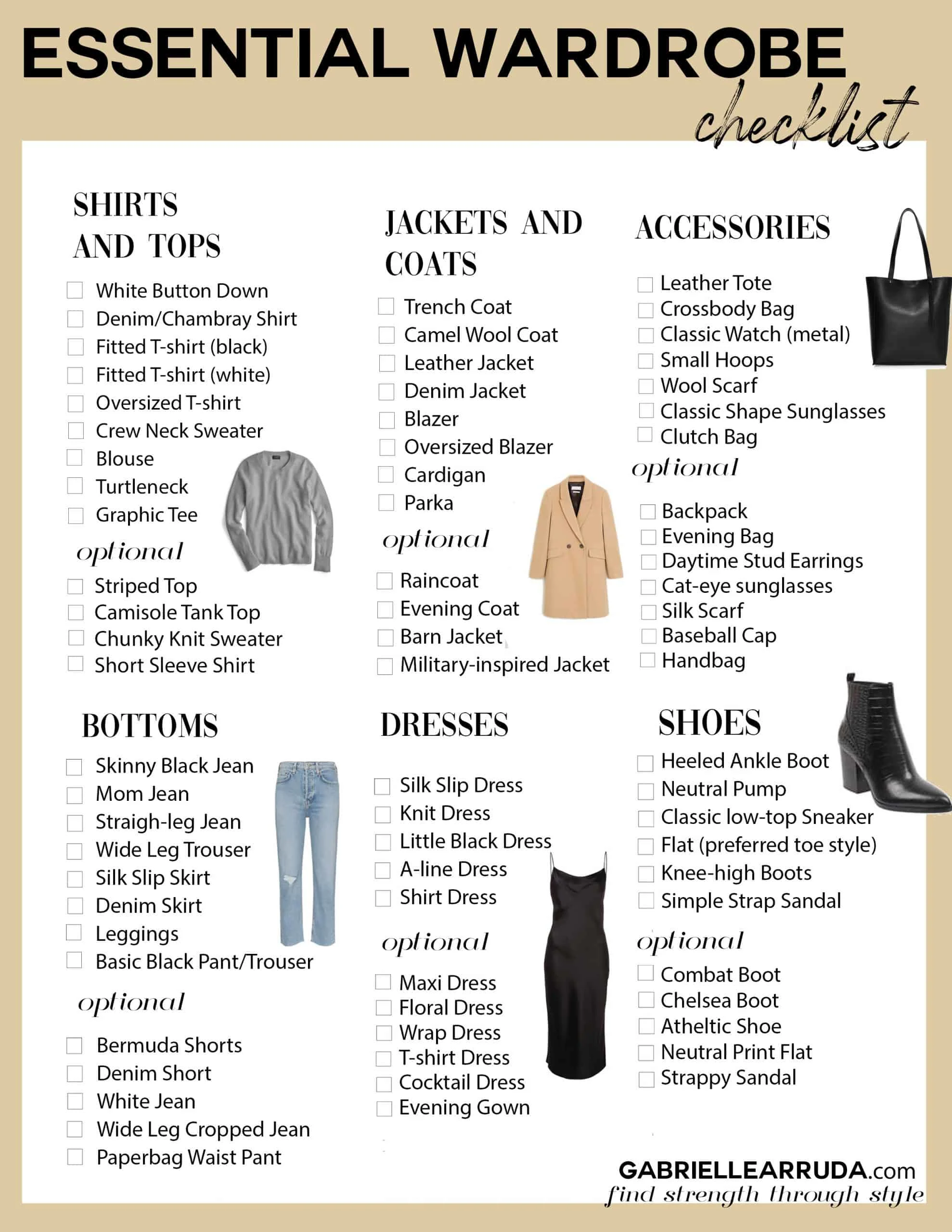
To tackle this, start with a mini experiment: grab a notebook and list your weekly activities—work, workouts, social outings. Then, match outfits to these, prioritizing versatile staples like a crisp white shirt or well-fitted blazer. Number the steps for clarity: 1) Declutter ruthlessly, donating items you haven’t worn in a year. 2) Invest in quality over quantity, focusing on fabrics that endure. 3) Experiment with layering, turning basics into fashionable outfits. For instance, compare this in a simple table:
| Approach | Advantages | Disadvantages |
|---|---|---|
| Fast Fashion Buys | Cheap and trendy | Quickly wears out, environmentally harmful |
| Curated Wardrobe | Timeless, sustainable, boosts confidence | Requires initial investment and planning |
This method, drawn from my own trials, cuts through the noise. Remember, as the saying goes, “Don’t put all your eggs in one basket,” so diversify your styles without overcomplicating. And that’s when it hits—true fashion isn’t about having more; it’s about having enough of the right things.
A Fresh Spin on Style
In wrapping this up, here’s a twist: what if your wardrobe isn’t just clothes, but a story of your journey? We’ve covered the pitfalls and paths, but ultimately, building a fashionable wardrobe is about owning your narrative, not letting trends dictate it. So, take action now—audit your closet and pick three items that truly represent you. As you do, reflect on this: What hidden gem in your wardrobe reveals the real you, waiting to shine? Share your thoughts in the comments; let’s keep the conversation going.