




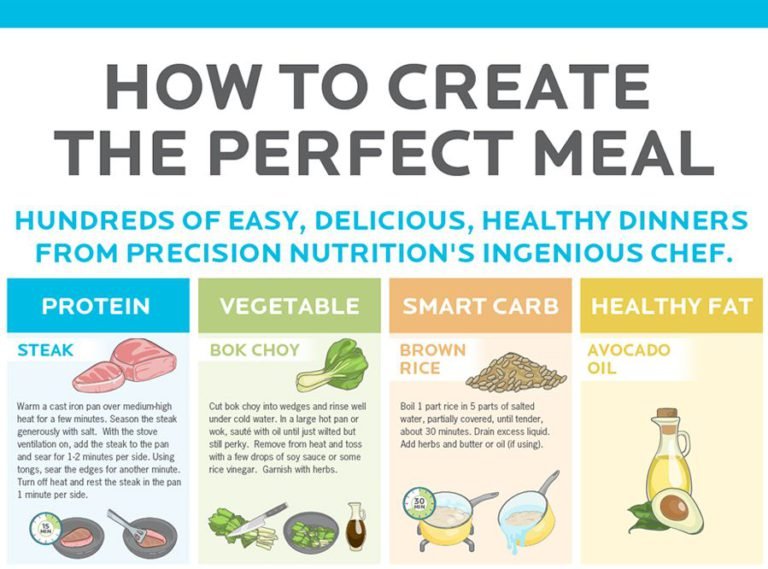
Chaos in a plate. Ever noticed how that seemingly harmless fast-food binge leaves you more drained than a phone on low battery? Here’s the uncomfortable truth: in our rush to juggle work, family, and endless scrolling, nutritional balance isn’t just overlooked—it’s often sabotaged. But what if I told you that simple, actionable steps could turn your daily meals into a powerhouse for sustained energy and well-being? In this article, we’ll dive into practical strategies for achieving nutritional equilibrium, tailored to a modern lifestyle, helping you feel sharper, live longer, and yes, even enjoy that occasional treat without guilt.
My Personal Tumble into Nutritional Awareness
Picture this: five years ago, I was that guy—skipping breakfast, lunch on the run, and dinners that were more microwave magic than mindful eating. And that’s when it hit me, hard. A routine check-up revealed cholesterol levels through the roof and energy levels in the basement. It wasn’t just numbers; it felt personal, like my body was whispering, “Hey, pay attention.” Through trial and error, I learned that nutritional balance isn’t about rigid diets but about harmony—fueling your body with the right mix of macros, micros, and yes, the joy of eating. I remember experimenting with a simple swap: replacing my midday coffee with a green smoothie packed with spinach, banana, and a dash of chia seeds. Suddenly, afternoons weren’t a fog; they were productive. My opinion? True balance demands listening to your body’s cues, not just following trends. In the U.S., where portion sizes are notoriously generous—think “all-you-can-eat” buffets—we often confuse quantity with quality. It’s like trying to run a marathon in flip-flops; it might work for a bit, but you’ll pay later.
To make this relatable, let’s imagine a chat with a skeptical friend. “Come on, another diet lecture?” they’d say. I’d counter: “Not a lecture, mate—it’s about steps for nutritional balance that fit real life.” Start small, like tracking your meals for a week. What surprised me was how my vegetable intake was as scarce as a quiet moment in New York City. This exercise isn’t about perfection; it’s about awareness, leading to better choices without the overwhelm.
Ancient Wisdom Meets Modern Plates
Ever wondered how our ancestors stayed vibrant without fancy supplements? Take the Mediterranean diet, for instance—it’s not just a fad; it’s a historical blueprint for healthy lifestyle nutrition. Back in ancient Greece, folks like Hippocrates preached balance, emphasizing fresh produce, olive oil, and fish over processed junk. Compare that to today’s Western habits, where a burger and fries are as common as a Starbucks line. The irony? Those old-school eaters lived longer, healthier lives, while we’re battling obesity epidemics. In my view, this isn’t coincidence; it’s a wake-up call to blend traditions with today.
Here’s an unexpected analogy: think of nutritional balance like a well-tuned orchestra. Each food group—proteins, carbs, fats—plays its part, but if one dominates, the symphony turns chaotic. For example, the Japanese concept of “hara hachi bu,” eating until 80% full, promotes mindfulness and prevents overindulgence. I tried it myself during a trip to Tokyo; suddenly, meals felt intentional, not rushed. And just like in that classic film “Eat Pray Love,” where Elizabeth Gilbert discovers balance through global cuisines, we can draw from these cultural threads to weave our own nutritional tapestry. The key takeaway? Incorporating diverse, whole foods isn’t exotic—it’s essential for sustained energy and mood stability in our fast-paced world.
A Fresh Take on Daily Integration
Now, shifting gears, let’s address a common pitfall: the all-or-nothing approach. Many assume balanced eating means giving up favorites, but that’s a myth. Instead, it’s about strategic swaps. For instance, if you’re like me, loving pasta but watching the waistline, opt for whole-grain varieties to keep fiber high without the spike.
The Overlooked Dangers and Smart Fixes
Here’s where it gets real: in our convenience-driven era, nutritional imbalances sneak in like uninvited guests at a party. Iron deficiency from skipping greens, or blood sugar crashes from sugary snacks—sounds familiar? The problem isn’t just physical; it’s how these zap your focus and mood, turning productive days into struggles. I recall a phase where my irregular eating led to afternoon slumps, making work feel like wading through molasses. But with a serious tone, let’s not sugarcoat it: this is preventable.
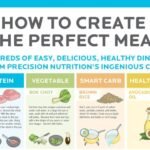
To fix it, start with these layered steps—think of them as building blocks for your balanced diet tips. First, assess your baseline: log what you eat for three days. You’ll likely spot gaps, like I did with my protein intake. Second, prioritize variety; aim for a rainbow on your plate, from vibrant veggies to lean proteins. It’s not rocket science, but it works wonders. And third, listen to your body—hydrate, rest, and adjust as needed. For a quick comparison, here’s a simple table to weigh options:
| Food Choice | Pros | Cons |
|---|---|---|
| Processed Snacks | Quick energy boost | High in sugars, leads to crashes |
| Whole Foods (e.g., nuts, fruits) | Sustained energy, nutrient-dense | Requires prep time |
This approach turned my habits around, and I bet it’ll do the same for you. Remember, it’s about progress, not perfection—Y just like that superhero in “The Avengers,” balancing acts save the day.
Wrapping Up with a New Lens
In the end, what if nutritional balance isn’t just about food, but about reclaiming control in a chaotic life? It’s that twist: these steps aren’t restrictions; they’re your secret weapon for thriving. So, here’s a specific call to action—grab a notebook right now and jot down three meals for tomorrow that hit all the food groups. And to leave you pondering: How has ignoring nutritional balance affected your daily energy, and what one change could spark a turnaround? Share in the comments; let’s keep this conversation going.