









Whispering leaves rustle. In a world buzzing with digital distractions and urban chaos, parks stand as silent sanctuaries, often ignored amidst our hectic lives. Yet, here’s a stark truth: studies show that over 80% of city residents live within a mile of a green space, but fewer than half visit regularly, missing out on proven mental health boosts like reduced stress and enhanced creativity. This article dives into where to explore parks, transforming your lifestyle from screen-bound routines to invigorating outdoor adventures. By the end, you’ll discover how these green havens can rejuvenate your daily grind, fostering a deeper connection to nature and yourself. Explore parks not just as destinations, but as gateways to a more balanced life.
Unearthing Personal Treasures in Local Greenspaces
Picture this: a crisp autumn morning, me wandering through Golden Gate Park in San Francisco, coffee in hand, when suddenly, a hidden trail veers off the path. I’d always zipped past it on bike rides, too focused on the finish line. But that day, I decided to linger, and what I found was a quiet grove dotted with ancient redwoods—towering sentinels that made me feel as small as a character in a Tolkien tale. It wasn’t just a walk; it was a revelation, teaching me that exploring parks close to home can unearth unexpected peace in our over-scheduled lives.
I believe, with all the sincerity of someone who’s battled burnout, that these spots are essential for mental resets. Growing up in the Midwest, where we say things like “hit the trail” to mean getting outside, I often escaped to local parks to clear my head. And just there, amidst the rustling oaks, I realized how parks mirror our inner landscapes—wild, untamed, yet full of hidden clearings. This isn’t some polished advice; it’s raw, from my own missteps, like skipping visits because of “busy schedules,” only to regret the lost serenity later. Exploring places like Chicago’s Millennium Park, with its iconic Bean sculpture, isn’t about tourism; it’s about weaving nature into your lifestyle, turning routine jogs into meditative journeys.
The Timeless Allure of Parks Across Cultures
Shift gears for a moment: imagine a conversation with a skeptical friend who’s never stepped foot in a park, dismissing them as “just grass and benches.” I’d counter with this: parks have been cultural cornerstones for centuries, from the manicured gardens of Versailles symbolizing royal power in France, to the communal spaces in Japanese cities like Tokyo’s Yoyogi Park, where cherry blossoms draw crowds for hanami picnics. It’s a fascinating parallel—while Western parks often evolved as escapes from industrialization, Eastern ones emphasize harmony with nature, like in China’s ancient imperial gardens that blend philosophy and landscape.
This cultural tapestry reveals an uncomfortable truth: in our modern lifestyle, we’ve commodified leisure, turning parks into afterthoughts rather than vital threads in the fabric of daily life. Take New York’s Central Park, for instance; it’s not just a green patch but a historical lifeline, designed in the 1850s to combat urban overcrowding, much like how today’s best parks to visit serve as antidotes to screen fatigue. I find it ironic that, in a country obsessed with productivity, we overlook these spaces that fueled creativity for figures like writers in the Romantic era. Exploring such parks isn’t frivolous; it’s a nod to our shared heritage, offering a serious path to wellness that transcends borders.
A Glimpse into Urban Evolution
Digging deeper, consider how parks adapt to contemporary needs—family-friendly zones in London’s Hyde Park versus adventure trails in U.S. national parks. This evolution underscores a key lifestyle benefit: accessibility for all, from solo wanderers to groups seeking outdoor activities in parks. It’s like comparing a quiet library to a bustling café; both offer refuge, but parks add that fresh-air twist, making them indispensable for holistic living.
Navigating the Hurdles to Park Adventures
Here’s the rub: not everyone jumps at the chance to explore parks, what with traffic snarls or that nagging “too tired” excuse creeping in. And boy, does that hit home—I once postponed a trip to Boston’s Boston Common because of a rainy forecast, only to miss out on its historic vibes under clearing skies. But let’s face it, weather’s just a stand-in for deeper barriers, like the myth that parks are only for fitness buffs or families with kids.
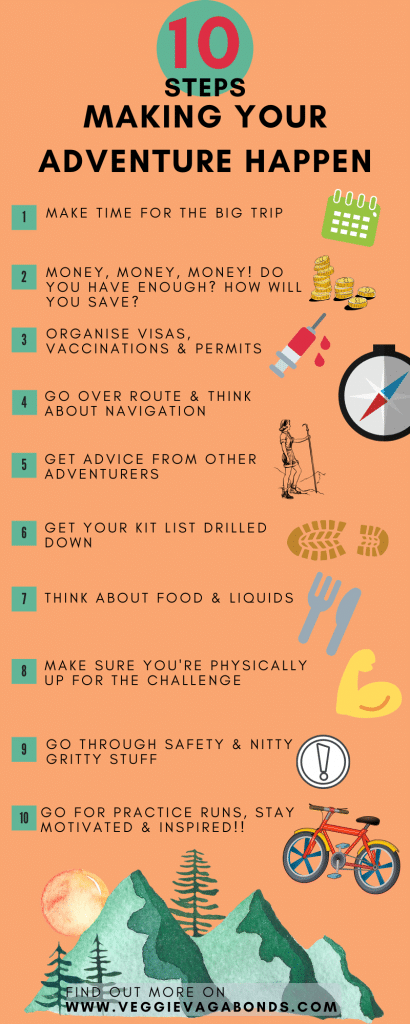
To tackle this, start simple: map out nearby options using apps like AllTrails, which spotlight hidden gems in local parks with user reviews. Step one, identify a park within 10 miles—perhaps one with scenic trails for a solo hike. Step two, pack essentials like a reusable water bottle and a light snack, turning it into a mindful outing. And three, reflect afterward; jot down what you noticed, like the way sunlight filters through leaves, echoing that scene from “The Office” where characters find unexpected joy in mundane settings. By reframing parks as lifestyle staples, you dismantle those excuses, fostering a habit that seriously enhances well-being. It’s not about perfection; it’s about that first step, and suddenly, you’re part of something larger.
In a twist, while parks seem ordinary, they hold the power to redefine your routine, making the familiar feel extraordinary. So, take action now: pick a park from this guide and schedule a visit this weekend—your mind will thank you. And what about you? How has exploring parks shifted your perspective on urban life? Share in the comments; let’s keep the conversation going.