





Plastic oceans looming. That’s the stark reality we often ignore while sipping from disposable cups in our daily rush. Did you know that over 8 million tons of plastic enter our oceans annually, choking marine life and, ultimately, our own food chain? It’s a contradiction: we crave convenience in our lifestyles, yet this very habit is eroding the planet we depend on. But here’s the benefit for you, the reader—adopting an eco-lifestyle isn’t just about saving the Earth; it’s about reclaiming a healthier, more fulfilling way of living that reduces stress, cuts costs, and fosters a deeper connection to your surroundings. In this article, we’ll explore practical steps for an eco-lifestyle, drawing from real experiences and timeless insights, to help you transition smoothly without feeling overwhelmed.
My Accidental Green Awakening
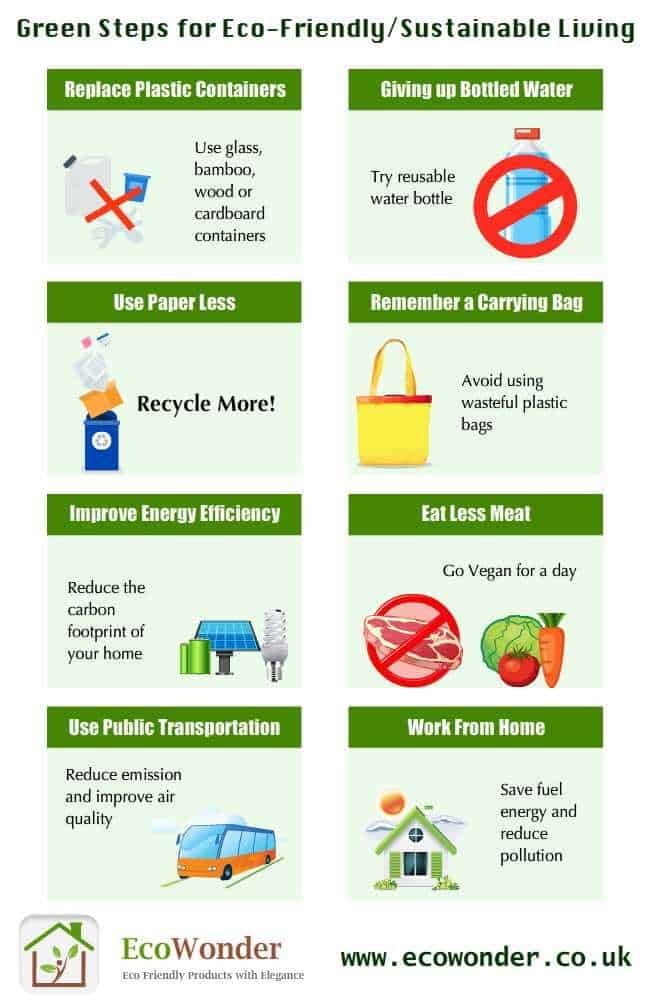
Picture this: a few years back, I was that guy who tossed recyclables into the regular bin without a second thought, convinced that one person’s efforts wouldn’t dent the global mess. Then came a family vacation to the Great Barrier Reef—yes, that wonder straight out of a David Attenborough documentary—and I saw bleached corals up close, a silent scream from nature. It hit me hard; my casual waste was part of the problem. And that’s when I realized… the power of starting small. I began with swapping out my plastic water bottle for a reusable one, tracking how it saved me money and reduced my guilt. This personal anecdote isn’t just feel-good fluff; it’s grounded in the fact that simple swaps, like ditching single-use plastics, can cut household waste by up to 30%, according to environmental reports. Eco-lifestyle steps like this build momentum, turning abstract goals into tangible habits. In my opinion, it’s not about perfection—it’s about progress, even if it means fumbling at first, like I did when I forgot my reusable bag and had to bite the bullet on buying another.
Echoes of Ancient Earth-Keepers Versus Today’s Hustle
Let’s rewind to indigenous communities, where sustainable living wasn’t a trend but a survival strategy. Take the Native American tribes, who practiced crop rotation and revered the land as a living entity—contrast that with our modern, throwaway culture, where fast fashion and disposable everything rule. It’s a jarring comparison: their harmony with nature sustained ecosystems for centuries, while our “innovations” pump out greenhouse gases at record rates. For instance, a simple table can highlight this shift:
| Aspect | Ancient Practices | Modern Challenges |
|---|---|---|
| Resource Use | Regenerative farming, minimal waste | Overconsumption, leading to deforestation |
| Community Impact | Shared responsibilities for long-term health | Individual convenience at environmental cost |
| Benefits | Sustained biodiversity and cultural ties | Short-term gains but rising health risks, like pollution-related illnesses |
This isn’t just history; it’s a wake-up call. In the UK, where I’m from, phrases like “going the extra mile” for the environment echo these old ways—think community allotments that revive local food systems. By weaving in such cultural references, we see that sustainable living practices aren’t newfangled ideas; they’re proven paths. Yet, in our era, influenced by pop culture like the film “An Inconvenient Truth,” we’re finally confronting these truths, urging a return to balance before it’s too late.
The Overlooked Hurdles of Going Green—and How to Leap Them
Here’s a truth that’s hard to swallow: many think eco-lifestyles demand unrealistic sacrifices, like giving up meat entirely or breaking the bank on solar panels. But let’s cut through that myth with some straight talk—it’s not about overhauling everything overnight. Take the common barrier of cost; people assume green products are pricier, yet studies show that steps to eco-friendly living, such as energy-efficient appliances, pay off in the long run through lower bills. I remember debating this with a skeptical friend over coffee: “Why bother if big corporations are the real polluters?” I countered by pointing out that individual actions, like choosing public transport, collectively pressure change—it’s like a ripple effect from a single stone. To tackle this, try a mini experiment: for one week, track your daily habits and swap one wasteful one, say driving alone versus carpooling. The results? You’ll likely save time, money, and feel a sense of empowerment. And just like that… barriers crumble. In a serious tone, it’s about layering these green habits for sustainable lifestyle without irony, using tools like apps for carbon tracking to make it effortless.
As we wrap this up, here’s a twist: what if the eco-lifestyle you’ve been postponing is actually the key to unlocking more joy in your routine, not less? It’s not just about the planet; it’s about you thriving in a world that’s still worth inhabiting. So, take this actionable step right now: pick one habit from this article and implement it today—whether it’s recycling properly or meal prepping to cut food waste. And here’s a reflective question to ponder: what personal legacy do you want to leave for future generations, knowing your choices shape their world? Share your thoughts in the comments; let’s build a conversation that goes beyond words.