








Sweat, endorphins, clarity. That’s the trio that often sneaks up on you when you least expect it, especially in a world where we’re glued to screens and sedentary habits. But here’s a contradiction that might hit home: while exercise demands effort, it delivers a mood boost that feels almost effortless in return. Think about it—millions battle daily with low spirits, yet something as simple as a brisk walk could flip the script. This article dives into why exercise isn’t just good for your body; it’s a game-changer for your mind, offering a natural path to emotional resilience and everyday joy. By the end, you’ll see how weaving movement into your lifestyle can transform those gray days into vibrant ones.
My Personal Turnaround: From Couch to Clarity
Let me take you back to a foggy morning a few years ago, right after a brutal winter in my hometown of Manchester, England. I was that guy, you know, the one who’s “feeling under the weather” more often than not, buried under blankets and Netflix binges. It started innocently enough—a doctor suggested I try jogging to shake off the winter blues, and boy, was I skeptical. But one damp day, I laced up my old trainers and hit the park, huffing and puffing like a steam engine on its last legs. And that’s when it hit me: midway through that run, a wave of something pure washed over me, like sunlight piercing through clouds.
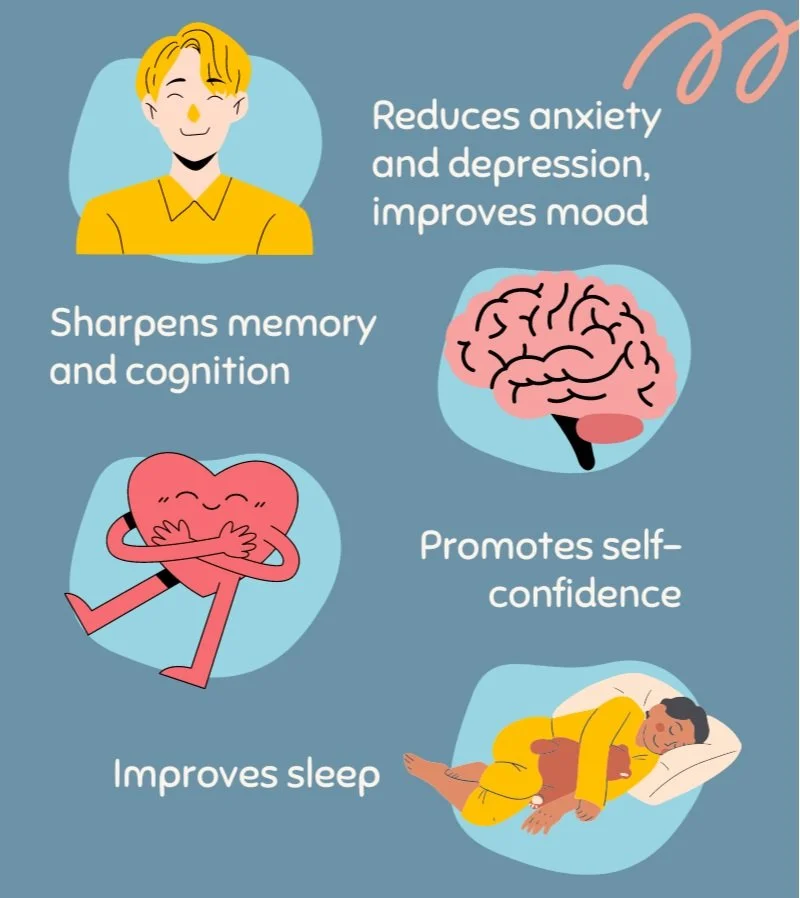
In my opinion, based on that experience and many runs since, exercise isn’t just physical; it’s a mental reset. Exercise improves mood by triggering endorphins, those natural feel-good chemicals, but it’s more than biology—it’s about reclaiming control. I remember thinking, “If I can push through this burn, what’s stopping me from tackling that work stress?” That lesson stuck: movement builds mental fortitude, turning what feels like a chore into a powerful tool for emotional armor. Fast-forward, and I’ve swapped late-night scrolling for evening cycles, watching my mood stabilize in ways therapy alone couldn’t fully capture. It’s like comparing a leaky faucet to a steady stream—both wet, but one nourishes.
Exercise Across Eras: A Timeless Mood Booster
Picture this: ancient Greeks didn’t have gyms or apps, but they sure knew the link between body and spirit. In classical Athens, philosophers like Aristotle championed physical training as essential for a balanced life, arguing it sharpened the mind much like a whetstone hones a blade. Fast-forward to today, and we’re seeing echoes in modern studies—research from the World Health Organization highlights how physical activity and mental health are intertwined, with regular exercise reducing symptoms of depression by up to 30%. It’s a cultural throughline, from Spartan warriors using runs to build resilience to Japanese “shinrin-yoku,” or forest bathing, which combines walking with nature for mood elevation.
Yet, here’s an unexpected comparison: think of exercise like that iconic scene in “The Matrix,” where Neo dodges bullets after training his mind and body. In reality, it’s not about superhuman feats; it’s about everyday empowerment. Different cultures adapt this—In India, yoga isn’t just poses; it’s a pathway to inner peace, blending breath with movement to ease anxiety. My take? We’ve lost some of that holistic wisdom in our fast-paced lives, swapping it for quick fixes. But by reviving these practices, we’re not reinventing the wheel; we’re just giving it a good spin, proving that benefits of exercise on mood span centuries and continents, making it a universal lifestyle staple.
A Modern Twist on Ancient Wisdom
Digging deeper, consider how urbanization has diluted this connection. In bustling cities, we often overlook the simple act of walking as a mood enhancer, but data from recent studies shows even 10 minutes can lower cortisol levels. It’s a quiet revolution, one that bridges past and present without fanfare.
The Overlooked Barrier: Time, and How to Smash It
Alright, let’s get real—many of us brush off exercise with the classic excuse: “I don’t have time.” Irony alert: in a world obsessed with productivity, we’re neglecting the very thing that could supercharge our focus and spirits. Take my friend Sarah, who’s always racing from meetings to family duties; she thought fitting in a workout was impossible until we broke it down. The problem? We treat exercise as an all-or-nothing ordeal, like climbing Everest in one go, when it’s more like steadily ascending a hill.
To solve this, start small and build smart. First, identify pockets in your day—perhaps that 15-minute coffee break could become a quick walk. Second, mix it up; cycling might suit your schedule better than a gym session, offering the same mood-boosting effects of exercise. And third, track progress, not perfection—apps like those from the NHS can help, showing how even short bursts improve emotional well-being. It’s like oiling a squeaky door; at first, it’s messy, but soon it swings smoothly. In a serious note, overlooking this can perpetuate a cycle of low energy, but addressing it head-on fosters lasting lifestyle changes, turning excuses into triumphs.
| Type of Exercise | Mood Benefits | Time Commitment |
|---|---|---|
| Walking | Reduces stress, boosts endorphins | 10-30 minutes |
| Yoga | Enhances mindfulness, lowers anxiety | 20-45 minutes |
| Running | Increases energy, improves sleep | 15-60 minutes |
While this table simplifies things, it underscores how accessible these options are, making how exercise boosts mood a practical reality for anyone.
Wrapping It Up: The Mind-Body Twist
Here’s the twist: we often chase mood fixes in pills or distractions, but the real power lies in movement, quietly reshaping our inner world. So, take action now—lace up those shoes and try a 10-minute jog around the block; you might just surprise yourself. And think on this: what if the key to your daily peace has been waiting in your own backyard, one step at a time? Share in the comments: How has exercise—or the lack of it—shaped your emotional landscape lately?