








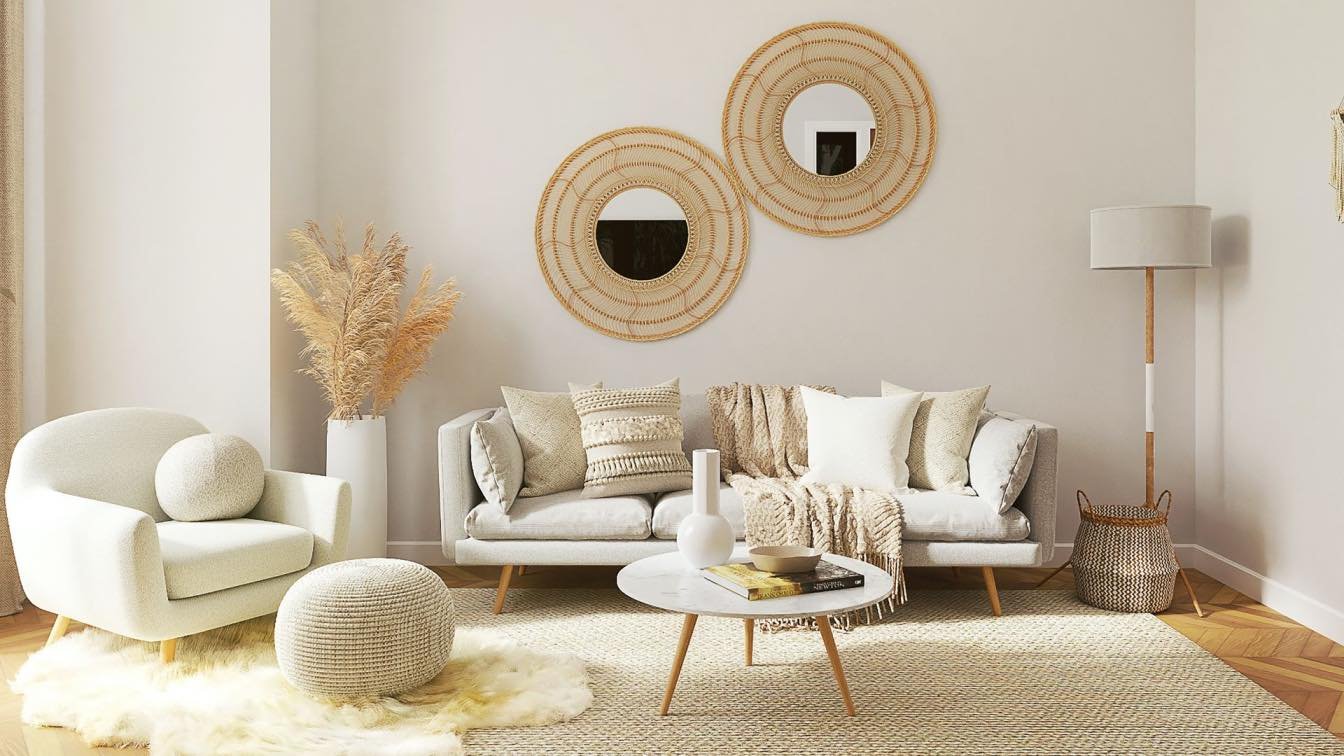
Silent rooms whisper secrets. Yes, your home furnishings might seem like mere objects, but they can either cradle your daily life or clash against it like unwelcome guests at a party. In a world where we’re bombarded with flashy catalogs and online deals, choosing the wrong pieces can turn your sanctuary into a source of regret. Yet, master this art, and you’ll craft a space that truly echoes your lifestyle—boosting comfort, productivity, and even mental well-being. Let’s dive in, because the right choices aren’t about trends; they’re about you.
My Furniture Fiasco and What I Learned
Picture this: a few years back, I moved into my first apartment in bustling New York City, excited but clueless. I splurged on a sleek, modern sofa that looked straight out of a design magazine—home furnishings that screamed sophistication. But oh, was I wrong. The thing was as comfortable as sitting on a brick; after a week, my back ached, and I found myself avoiding the living room altogether. It was like expecting a loyal dog and getting a decorative statue instead. That experience hit me hard, teaching me that selecting furniture isn’t just visual; it’s deeply personal.
I remember thinking, “Why didn’t anyone warn me?” Well, now I will. From my blunder, I learned to prioritize functionality over flair. Consider your habits—do you binge-watch series like in Friends, where the gang fights over that orange couch? If so, test for ergonomics. And just there, in the midst of my discomfort, I realized how lifestyle home choices affect everything from your posture to your mood. It’s not about perfection; it’s about alignment. So, next time you’re eyeing that chic piece, ask yourself: Will this enhance my everyday?
From Victorian Opulence to Modern Minimalism
Ever wondered how historical styles shape our home decor decisions today? Take the Victorians, for instance—they piled on ornate furniture, turning homes into showcases of status, much like how social media now pushes us toward Instagram-worthy setups. But contrast that with today’s minimalism, inspired by Japanese influences, where less is more, and every item serves a purpose. It’s a shift that mirrors our evolving lifestyles, from the cluttered chaos of the industrial era to the streamlined demands of remote work.
This comparison hits the nail on the head for why choosing home furnishings matters in a lifestyle context. In Victorian times, heavy woods and intricate carvings symbolized wealth, but they demanded space and maintenance—hardly ideal for urban dwellers today. Fast-forward, and we’re opting for multifunctional pieces, like a sofa bed that doubles as guest quarters. I mean, who has room for excess when life’s already packed? This evolution underscores a key truth: Your furnishings should adapt to your rhythm, not dictate it. And that’s when it clicks—just as minimalism freed up physical space, the right choices can liberate your mind from unnecessary stress.
The Overlooked Factors in Furnishing Selections and Smart Fixes
Here’s a truth that’s rarely shouted from rooftops: Many folks rush into best ways to pick home items without considering the intangibles, like material durability or how a piece interacts with natural light. I once knew someone who bought a beautiful wooden table, only to watch it warp in the humidity of their coastal home—ironic, right, when they thought it was a lifelong investment? But let’s flip this with practical solutions, because ignoring these can turn your home into a frustration factory.
Start by evaluating materials; opt for sustainable options if you’re eco-conscious, as they align with a modern lifestyle. For instance, compare bamboo versus oak in a simple table:
| Feature | Bamboo | Oak |
|---|---|---|
| Durability | High resistance to moisture | Prone to warping in humid areas |
| Sustainability | Faster-growing, eco-friendly | Slower renewal, less green |
| Aesthetic | Modern, light feel | Classic, warm tone |
See how this informs your choice? Pair that with assessing your space’s flow—will that bulky armchair block your path? By addressing these, you’re not just decorating; you’re curating a lifestyle. And believe me, it’s worth the extra thought.
A Fresh Perspective on Your Space
In wrapping up, think of your home furnishings as the unsung heroes of your story—they don’t just fill rooms; they shape your experiences. Here’s the twist: What if the chair you’ve overlooked is the key to better focus or relaxation? So, take action now: Evaluate one room in your home and swap out a mismatched piece for something that truly fits. Your future self will thank you.
And one last question: How has a simple furnishing choice transformed your daily life, for better or worse? Share in the comments; let’s keep this conversation going.