




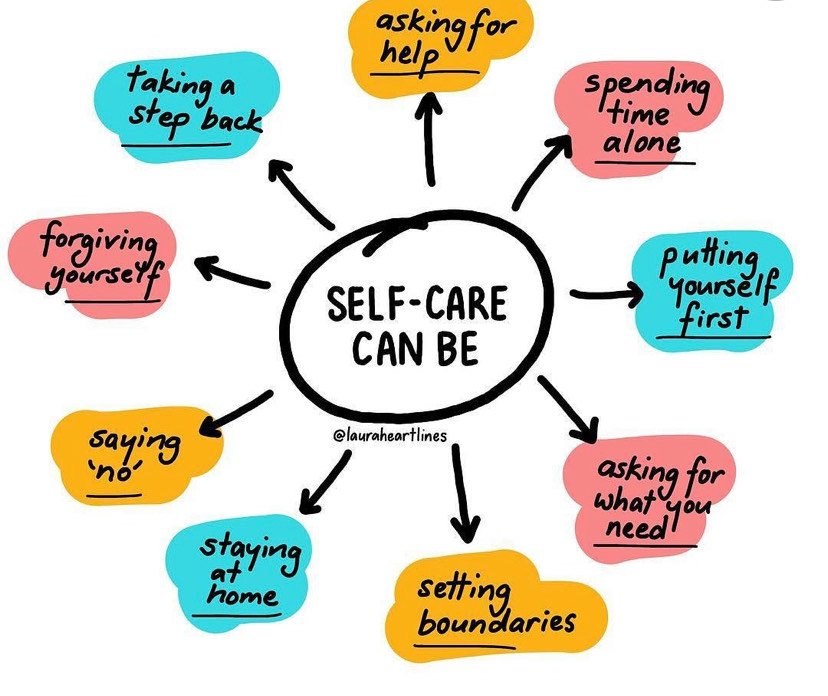
Silent echoes linger. That’s right—those quiet moments of exhaustion we often dismiss. In our fast-paced world, where hustle is hailed as heroism, ignoring self-care can lead to a silent breakdown. Did you know that according to a recent study by the American Psychological Association, over 70% of adults experience stress that interferes with their daily lives? Yet, amidst this chaos, practicing self-care isn’t just a luxury; it’s a lifeline that boosts productivity, enhances mental health, and fosters a balanced lifestyle. In this article, we’ll explore when to practice self-care, drawing from real experiences to help you recognize those crucial moments and reclaim your well-being.
My Wake-Up Call in the Midst of Chaos
Picture this: I was buried under deadlines, my desk a battlefield of coffee mugs and crumpled notes, pushing through a project that felt endless. It was during a family vacation—ironically meant for rest—that I hit a wall. My hands trembled while trying to snap a photo, and suddenly, everything blurred. That trip to the Grand Canyon, a place I’d dreamed of since childhood, turned into a haze because I’d ignored the signs for weeks. You see, self-care isn’t about spa days; it’s about listening when your body says, “Enough.” This personal low taught me that self-care routines should kick in at the first hint of burnout, like when sleep evades you or motivation vanishes like mist in the morning sun.
In my opinion, we romanticize overwork as a badge of honor, but it’s a myth that erodes our foundations. Drawing from my roots in a bustling city like New York, where “burn the candle at both ends” is practically a motto, I’ve learned that true strength lies in pausing. Think of it as tending a garden—neglect the soil, and nothing blooms. This unexpected analogy highlights how when to practice self-care often aligns with subtle cues, such as persistent headaches or irritability, which I now address with a simple walk or journaling session.
From Ancient Rituals to Modern Mayhem
Ever wonder how our ancestors navigated life’s demands? In ancient Rome, emperors like Marcus Aurelius practiced Stoic reflection, setting aside time for meditation amid conquests—talk about a contrast to today’s inbox overload. Fast-forward to now, and we’re glued to screens, scrolling through feeds that glorify non-stop productivity. This cultural shift reveals a stark truth: while Indigenous communities, like those in parts of Africa, have long incorporated communal rest into daily life, Western societies often view it as indulgent.
Here’s a simple comparison to drive the point home:
| Aspect | Ancient Practices | Modern Lifestyles |
|---|---|---|
| Frequency of Rest | Daily rituals, like yoga in ancient India | Infrequent, often tied to weekends |
| Benefits | Enhanced community bonds and mental clarity | Reduced stress, but only if prioritized |
| Challenges | External threats like invasions | Digital distractions and work pressure |
This evolution underscores that self-care in lifestyle must adapt; for instance, when family obligations pile up or work spills into evenings, it’s time to borrow from history and carve out that reflective hour. And just like in that episode of “The Crown,” where Queen Elizabeth finds solace in solitude, we too can reclaim peace by recognizing when external pressures demand internal recharge.
The Overlooked Signals: When Your Body Whispers, Listen
What if I told you that your favorite hobby suddenly feels like a chore? That’s the moment self-care becomes non-negotiable. Imagine a conversation with a skeptical friend: “But Sarah, who has time for that?” I’d counter, “Exactly— that’s why you make time before the whisper turns to a scream.” In my experience, ignoring these signals led to a doctor’s visit I could’ve avoided, all because I dismissed fatigue as “just another day.”
To tackle this, let’s propose a mini experiment: Next time you feel that edge of irritability creeping in, step away for five minutes. Breathe deeply, jot down what’s overwhelming you. It’s like defusing a bomb before it explodes. By paying attention to daily self-care triggers, such as emotional exhaustion or physical tension, you can prevent larger issues. And that’s when it hits—realizing self-care isn’t selfish; it’s strategic, especially in a lifestyle where “hustle culture” memes flood our feeds, urging us to keep going.
A Deeper Dive into Emotional Cues
Dive deeper: Emotional cues like unexplained sadness often signal the need for self-care, much like how a low phone battery warns of shutdown. In my view, incorporating activities like reading or even a quick nap can turn things around, drawing from cultural norms where, say, in Mediterranean countries, siestas are sacred.
Here’s the twist: What if self-care is the key to not just surviving, but thriving in your lifestyle? By tuning into those moments—whether it’s after a heated argument or before a big presentation—you’re investing in a richer life. So, start by scheduling a 10-minute self-care ritual today; it could be as simple as brewing your favorite tea. And think about this: When was the last time you truly listened to what your body needed, not what the world demanded? Share your thoughts in the comments—your story might just help someone else pause.