







Whispers of innovation. That’s how creativity often begins—not with fireworks, but with subtle nudges in our everyday lives. Yet, here’s a stark truth: in our fast-paced lifestyle, where routines choke out imagination, 75% of adults report feeling creatively blocked, according to a recent study by the American Psychological Association. This isn’t just about artists staring at blank canvases; it’s about you, the everyday person, missing out on the joy and problem-solving power that creativity brings to your lifestyle. By exploring simple, effective ways to encourage creativity, you’ll unlock fresher perspectives, reduce stress, and infuse your daily routine with purpose and excitement. Let’s dive in, shall we?
That Time Creativity Rescued My Mundane Routine
I still remember the day my creativity felt like a long-lost friend, showing up unannounced. Picture this: I was elbow-deep in a soul-sucking corporate job, staring at spreadsheets that blurred into one another, and feeling like my life was on autopilot. One rainy afternoon in London—yes, the city of red buses and that ever-present drizzle—I decided to break the monotony by sketching random ideas in a notebook during my lunch break. Nothing fancy, just doodles of everyday scenes mixed with wild “what if” scenarios. And that’s when it hit me, you know? Creativity isn’t some elusive gift; it’s a habit you can build, like brewing that perfect cup of tea.
In my view, this personal awakening taught me a vital lesson: integrating creativity into your lifestyle starts with small, intentional acts. For instance, ways to encourage creativity like daily journaling can transform your morning coffee ritual into a springboard for ideas. It’s about fostering innovation through lived experiences, not forced brainstorming sessions. Think of it as tending a garden—neglect it, and weeds take over; nurture it, and you get blooms that surprise you. This approach, backed by my own trial and error, shows how creativity boosts mental health, making your lifestyle more resilient and fulfilling.
Creativity’s Timeless Dance Across Cultures
Fast-forward from my personal saga to a broader canvas: how ancient societies sparked creativity compared to our modern hustle. Take the Renaissance in Italy, where figures like Leonardo da Vinci didn’t wait for inspiration—they engineered it through interdisciplinary pursuits. Back then, creativity was woven into daily life, from apprentices learning trades to communal festivals that encouraged creative thinking. Contrast that with today’s Western world, where we’re plugged into screens, and innovation often feels commodified, like a product you buy rather than cultivate.
This historical lens reveals an uncomfortable truth: we’ve lost touch with creativity as a communal lifestyle element. In places like Japan, the concept of “ikigai”—your reason for being—still fosters creativity in lifestyle by blending work, passion, and purpose. It’s not about exotic rituals; it’s about simple practices, like walking in nature to clear your mind, which echoes da Vinci’s nature sketches. By drawing these parallels, you see that boosting creative thinking isn’t new-age fluff—it’s a timeless strategy. Imagine a conversation with a skeptical friend: “But isn’t creativity just for geniuses?” I’d counter, “No, it’s like learning to ride a bike—wobbly at first, but soon you’re gliding through life’s challenges with ease.”
The Stealthy Enemy of Imagination and How to Outmaneuver It
Now, let’s confront the real villain in our lifestyle: the creativity killer we call “busyness.” It’s ironic, isn’t it? We fill our days with to-do lists, thinking productivity equals progress, yet this very overload stifles the sparks of originality. Take my own slip-up—rushing through evenings without a moment’s pause, only to realize my ideas had dried up like forgotten houseplants. The solution? Deliberate pauses, like setting aside time for unstructured play, which research from Harvard shows can enhance problem-solving by up to 40%.
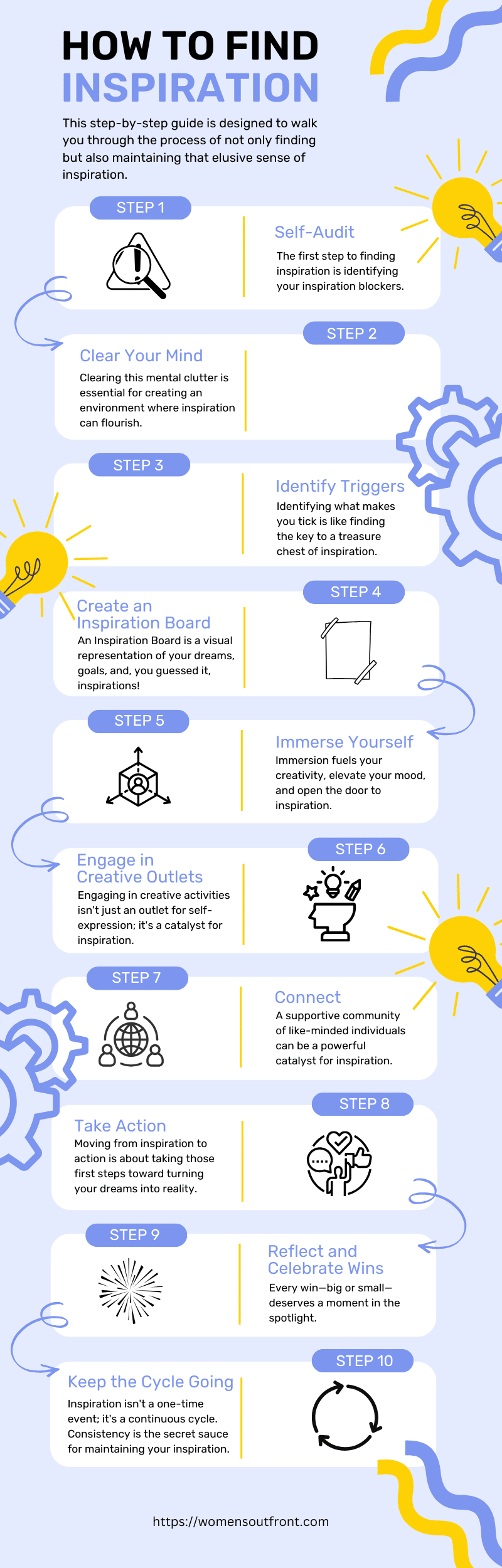
To tackle this, start with practical steps: first, identify your blocks—maybe it’s that endless scroll on social media. Second, experiment with alternatives, such as swapping screen time for a creative hobby like cooking a new recipe, which ties back to lifestyle enrichment. Third, track your progress; it’s like debugging code in a software project—methodical and rewarding. And for a twist, consider this pop culture nod: just as Neo in “The Matrix” had to unplug to see reality differently, you might need to step away from the noise to spark creative thinking. By addressing these barriers seriously, you’re not just encouraging creativity; you’re reclaiming a vibrant lifestyle.
| Aspect | Traditional Approach | Modern Tweak |
|---|---|---|
| Daily Routine | Rigid schedules stifling ideas | Flexible blocks for experimentation |
| Benefits | Limited to occasional bursts | Sustained energy and innovation |
| Challenges | Over-reliance on inspiration | Overcoming daily distractions |
A Fresh Outlook: Where Creativity Meets Your Tomorrow
Wrapping this up, what if the key to a richer lifestyle isn’t more achievements, but more creative freedom? It’s a perspective shift that turns everyday routines into opportunities for growth. So, here’s your call to action: pick one way to encourage creativity from this piece—like starting a 5-minute daily sketch—and weave it into your routine right now. And think on this: how has ignoring your creative side shaped your life, and what might change if you embraced it? Share your thoughts in the comments; let’s keep the conversation going.