




Whispers of wellness echo…
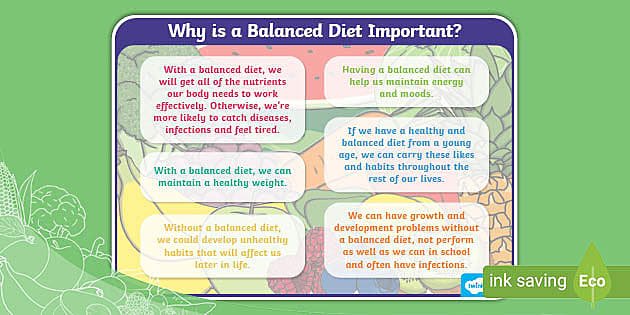
Hold on—let’s cut straight to it. In a world obsessed with fad diets that promise quick fixes, the simple truth is startling: most people ditch them within weeks, often gaining back more weight than they lost. That’s the uncomfortable reality, backed by studies from the CDC showing that yo-yo dieting can harm your metabolism long-term. But here’s the flip side, and why you should care: embracing a balanced diet isn’t about deprivation; it’s about sustainable energy, sharper focus, and a life where you actually enjoy your food without the guilt. By the end of this, you’ll see how weaving balanced nutrition into your lifestyle can transform not just your body, but your everyday vibe—proving that real health is about harmony, not extremes.
My Unexpected Turnaround: A Personal Tale of Dietary Redemption
Picture this: a few years back, I was that guy glued to my desk, surviving on coffee and takeout, convinced that skipping meals was some badge of productivity. It wasn’t until a routine check-up revealed my cholesterol was through the roof that I paused—hard. I remember the doctor’s words, delivered with that knowing sigh: “You’re not invincible, you know.” That hit me like a freight train, especially since my family has a history of heart issues, straight from our Irish roots where potatoes and pints were staples. So, I dove into balanced eating, not some crash diet, but real changes: loading up on veggies, whole grains, and lean proteins while ditching the processed junk.
And let me tell you, it wasn’t instant magic. There were days when I’d eye that greasy burger, thinking, “Why bother with this salad nonsense?” But slowly, I noticed shifts—more steady energy throughout the workday, fewer midday crashes. Balanced diets work because they provide the nutrients your body craves without the extremes, like a well-tuned engine running on premium fuel rather than cheap gas. In my opinion, backed by personal experience, it’s this steady approach that builds lasting habits, not the fleeting highs of detox teas. If you’re skeptical, think of it as planting a garden: you nurture it daily, and boom, you get a harvest that sustains you.
Ancient Roots and Modern Marvels: How Cultures Have Nailed Balanced Eating
Fast-forward from my story to something bigger—let’s unpack how balanced diets have been a cornerstone of human health across eras. Take the Mediterranean way of eating, for instance; it’s not just a trend, it’s a legacy from ancient Greeks who mixed olive oil, fish, and fresh produce into their daily grind. Historians point out that this wasn’t accidental—records from Hippocrates himself emphasized “Let food be thy medicine,” a philosophy that kept societies thriving amid hardships. Compare that to today’s Western patterns, where fast food reigns, and you’ve got a stark contrast: one fosters longevity, the other fuels chronic diseases.
Here’s a quick table to drive this home, comparing traditional balanced approaches to modern imbalances:
| Aspect | Traditional Balanced Diet (e.g., Mediterranean) | Modern Imbalanced Diet (e.g., Fast-Food Heavy) |
|---|---|---|
| Key Components | Fruits, veggies, healthy fats, moderate proteins | High in sugars, processed carbs, low in nutrients |
| Health Outcomes | Lower risk of heart disease, as per WHO studies | Increased obesity rates, per CDC data |
| Cultural Tie-In | Community meals, like Italian family dinners | Grab-and-go, often eaten alone |
This comparison isn’t just academic; it’s a wake-up call. In places like Japan, where balanced meals mean rice, fish, and veggies, people live longer, partly because nutritious eating prevents inflammation—think of it as your body’s silent defender, not some flashy superhero. My take? We’ve lost touch with these roots, swapping them for convenience, but rediscovering them can reignite that inner spark. And just like in that iconic scene from “The Godfather,” where family and food intertwine, balance brings people together, fostering a lifestyle that’s as rich as it is healthy.
Challenge Yourself: A Week of Mindful Meals and What You’ll Discover
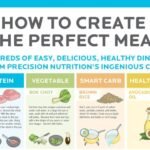
Okay, let’s get real for a second—what if I told you that questioning your current eating habits could unlock a healthier you? Imagine you’re chatting with me over coffee, raising an eyebrow: “But isn’t balancing my diet just another chore?” Fair point, but here’s the twist: it’s an experiment that pays off. Start simple: for the next seven days, track one meal a day and aim for that magic mix—half veggies, a quarter protein, a quarter grains. Don’t overthink it; just notice how you feel.
This isn’t some rigid plan; it’s about awareness. Step 1: Pick a colorful plate—say, spinach salad with grilled chicken and quinoa. Step 2: Eat slowly, savoring each bite, and jot down your energy levels. Step 3: Reflect on cravings; are they signaling a nutrient gap? From my trials, this exercise revealed how balanced nutrition benefits extend to better sleep and even mood stability, like flipping a switch on your daily rhythm. And that’s when it all clicked—real change comes from small, intentional steps, not overnight overhauls. If you’re like me, you’ll find it’s less about restriction and more about empowerment, turning your lifestyle into a canvas of well-being.
In wrapping this up, here’s the plot twist: while balanced diets might seem mundane, they’re the unsung heroes that outlast fads, weaving into the fabric of a fulfilling life. So, take action now—grab that grocery list and prioritize whole foods today; your future self will thank you. And one last thought: what hidden energy have you been missing by sticking to your old ways? Share in the comments; let’s keep the conversation going.