








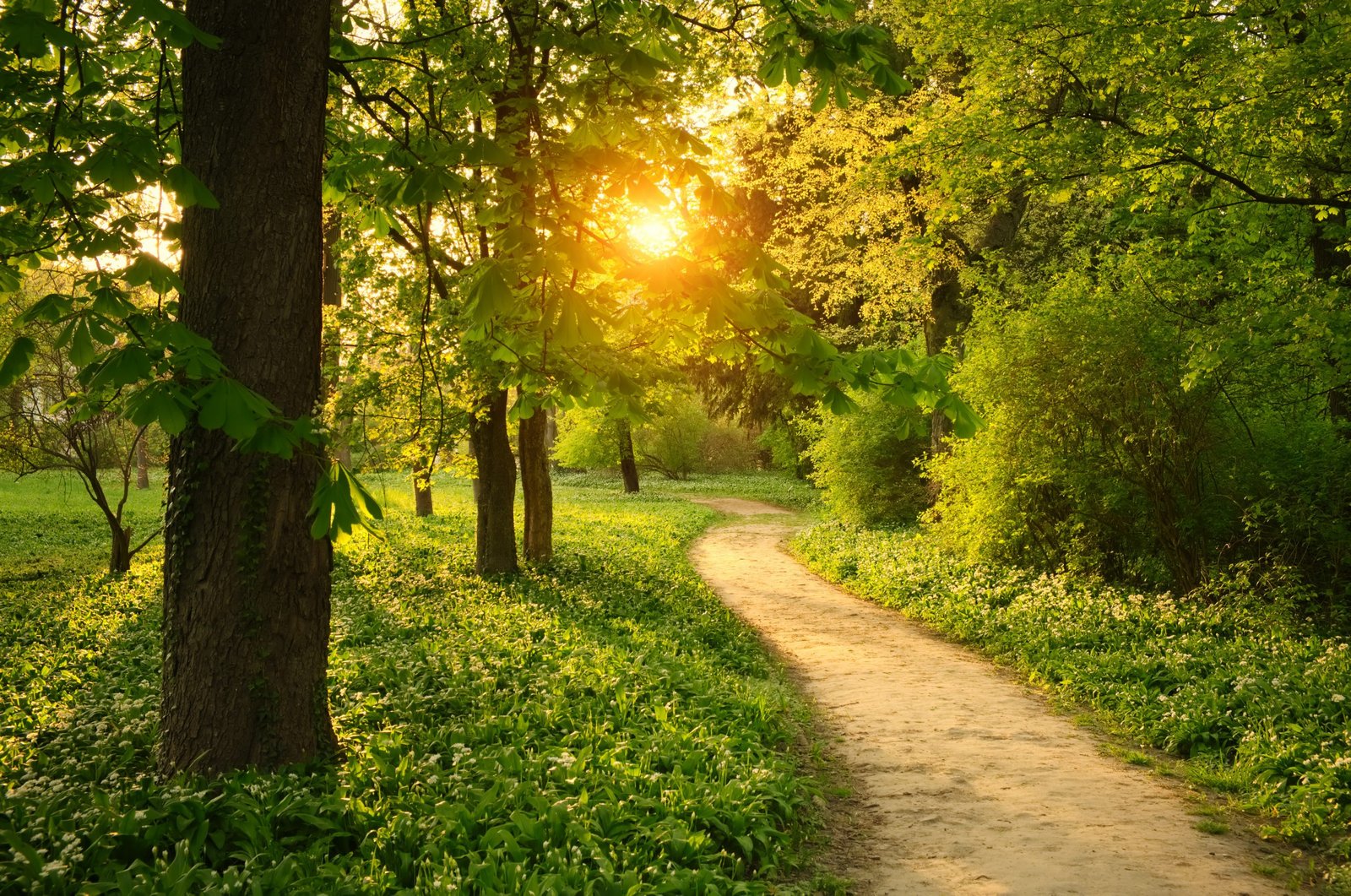
Silent whispers beckon. In a world obsessed with hustle and digital distractions, the simple act of stepping into nature offers a profound escape—yet so many ignore it, trading fresh air for fluorescent lights. This isn’t just about exercise; it’s a lifestyle choice that rejuvenates the soul, reduces stress, and reconnects us to our roots. Through this article on where to enjoy nature walks, you’ll discover hidden gems that enhance your daily life, fostering mental clarity and physical well-being. Let’s explore scenic trails that make nature walks more than a hobby—they’re a vital part of a balanced lifestyle.
My Unexpected Encounter with the Wild
Picture this: I was buried under deadlines, my coffee intake rivaling a barista’s nightmare, when I stumbled upon a trail near my hometown in the Pacific Northwest. It wasn’t planned; I just needed a break, you know? That day, as rain-slicked paths wound through ancient evergreens, I felt something shift. The forest didn’t judge my frazzled state—it enveloped me, teaching me that nature walks aren’t luxuries but necessities for mental reset. Best places for nature walks like this one, such as the Hoh Rainforest in Washington, offer that raw, unfiltered connection.
Honestly, I remember the exact moment: damp leaves crunching underfoot, the distant call of an eagle, and suddenly, my worries faded. It’s like comparing a rushed city jog to a meditative stroll—night and day. This personal anecdote isn’t just filler; it’s a reminder that outdoor trails can turn chaos into calm, especially in regions like the U.S. West Coast, where local legends speak of spirits in the trees. But here’s the twist: even if you’re skeptical, try it. Imagine chatting with that inner voice saying, “Is this worth my time?” Well, it is, because studies show regular nature exposure boosts creativity by up to 50%—and that’s no exaggeration.
Nature Walks Through the Ages: A Cultural Reflection
Fast-forward from my rainy escapade to how societies have always revered these paths. In ancient Japan, forest bathing or “shinrin-yoku” wasn’t a trend; it was a cultural staple, promoting harmony with the environment. Contrast that with modern Western life, where we’re glued to screens, and you see the irony—our ancestors walked these trails for survival, while we do it for sanity. Take the English countryside, with its rolling hills and historic footpaths like the Cotswold Way; it’s a living testament to how scenic trails weave into daily routines, fostering community and reflection.
Here’s a quick comparison to highlight the evolution:
| Era | Focus of Nature Walks | Modern Benefit |
|---|---|---|
| Ancient Times | Survival and spiritual connection | Stress relief through mindfulness |
| 19th Century | Romantic exploration (e.g., Wordsworth’s Lake District wanders) | Inspiration for personal growth |
| Today | Health and recreation | Enhanced lifestyle with apps tracking woodland strolls |
This isn’t just history; it’s a call to adapt. As someone who’s hit the trail in both misty British moors and rugged American parks, I say we need to reclaim that. And just when you think it’s all nostalgic, remember how “The Fellowship of the Ring” portrayed Middle-earth’s paths—much like real-life trails, they represent journeys of self-discovery. But in our era, the real “quest” is finding balance amidst urban sprawl.
Overcoming the Urban Pull: A Reflective Challenge
City dwellers, ever feel that tug—traffic jams versus tranquil paths? It’s a problem we all face, wrapped in the irony of living near concrete while nature calls from afar. Take New York City’s Central Park trails; they’re oases in a steel jungle, proving that peaceful trails aren’t exclusive to remote areas. My own experience? After moving to a bustling metropolis, I fought the urge to skip walks, but then I proposed a mini experiment to myself: dedicate 30 minutes daily to a nearby path. The results? Improved sleep and sharper focus, all from something as simple as watching squirrels dart around.
And that’s when I realized… how much we’d miss out if we didn’t prioritize this. For instance, in Australia, where the Outback’s vastness meets urban fringes, spots like the Blue Mountains offer health benefits of nature walks that combat sedentary lifestyles. It’s not about escaping forever; it’s integrating these into your routine. Step 1: Identify a trail within 30 miles—use apps for ease. Step 2: Gear up with comfortable shoes, no need for extremes. Step 3: Go at your pace, observing details like bird songs, which science links to reduced anxiety.
This approach flips the script on urban barriers, turning them into opportunities. Sure, it sounds straightforward, but that’s the beauty—nature walks for wellness don’t require overhauls, just intention. If you’re from a place like the UK, think of it as taking a breather in the Peak District, where local idioms like “bagging a hill” mean conquering more than terrain.
A Final Twist on the Trail
What if the path you’ve been walking is metaphorical, leading to a richer life all along? We’ve covered spots from rainforests to city parks, emphasizing how enjoying nature walks integrates into a serious lifestyle pursuit. So, take action: map out your next trail using local guides and step outside today—your mind will thank you. And ponder this: how has a simple walk reshaped your view of the world? Share in the comments; let’s keep the conversation going.