








Whispers in shadows, home lighting often gets overlooked. You might think a simple bulb swap fixes everything, but here’s the uncomfortable truth: poorly lit spaces can drain your energy, strain your eyes, and even dampen your mood, turning your sanctuary into a dreary cave. In the lifestyle realm, where every corner reflects your personal vibe, improving home lighting isn’t just about visibility—it’s about crafting an environment that boosts well-being, productivity, and that feel-good factor. Stick around, and I’ll share real ways to elevate your digs, drawing from my own blunders and triumphs, all while keeping things grounded and actionable for your everyday life.
A Lesson from My Cluttered Corner
Picture this: last winter, I moved into a quirky old apartment in Brooklyn, where the only light source was a flickering fluorescent tube that buzzed like an angry bee. I remember sitting there, squinting at my laptop, feeling more exhausted than after a full day’s work. It wasn’t until I swapped it for a warm LED panel that I realized how much better I could focus—and, honestly, how much cozier the room felt. That personal anecdote taught me a hard lesson: lighting isn’t just functional; it’s emotional glue for your home.
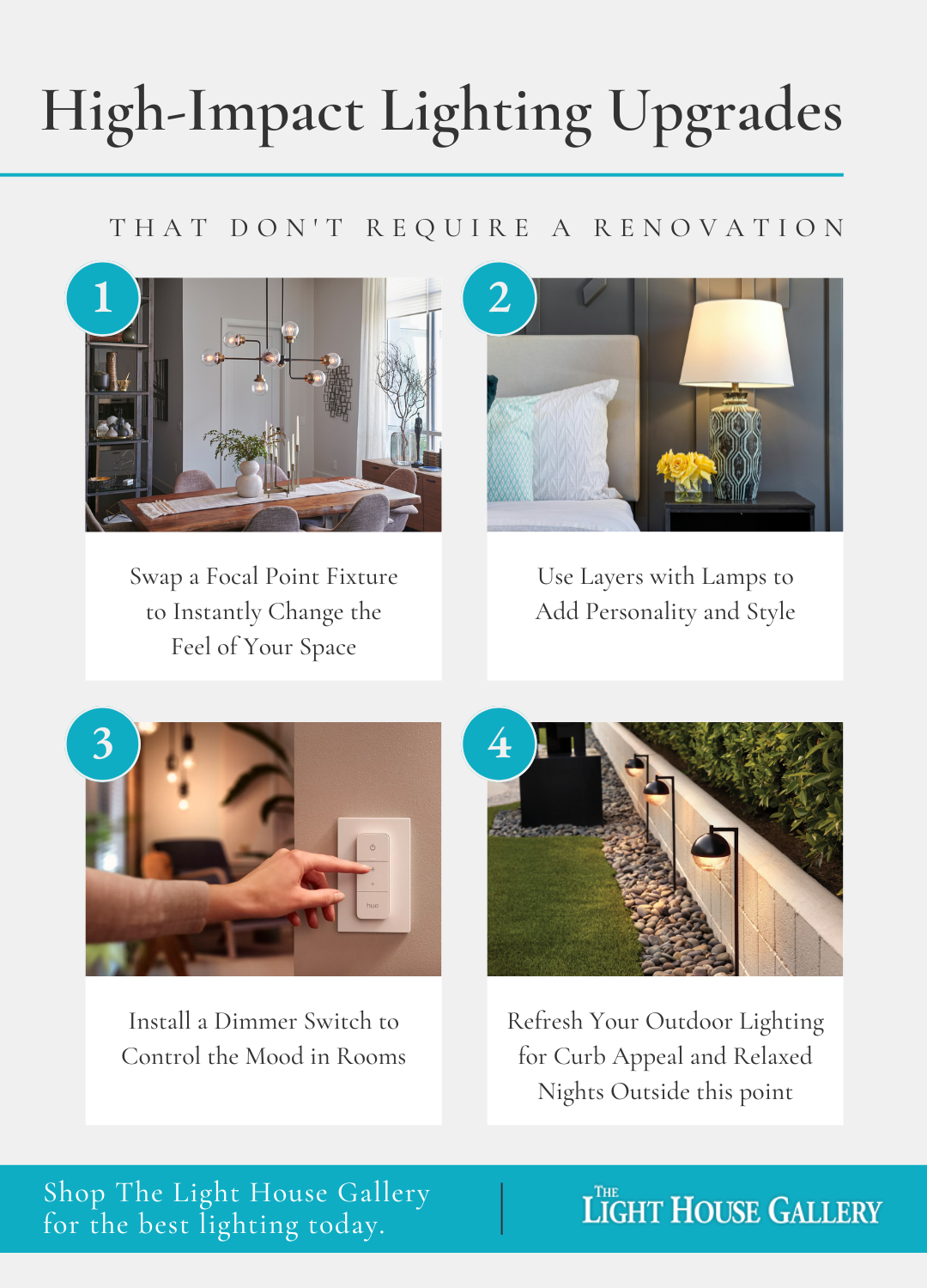
Enhancing home illumination starts with assessing your current setup. I dove into experimenting with different fixtures, from pendant lights that cast a soft glow to task lamps that target specific areas like your desk or kitchen counter. And let me tell you, it’s like giving your space a soul—suddenly, reading a book feels less like a chore and more like a retreat. But beware, not all bulbs are created equal; energy-efficient options, such as LEDs, cut costs while mimicking natural daylight, which experts link to improved mental health.
In my case, incorporating smart bulbs that adjust based on time of day was a game-changer. It’s not about going high-tech for show; it’s about creating a rhythm that aligns with your lifestyle. If you’re in a bustling city like New York, where days blur into nights, think of it as your personal sun simulator. And just when you think you’ve nailed it… well, that’s where the real magic begins.
The Timeless Glow of History’s Homes
Ever wonder how ancient Romans turned their villas into beacons of warmth? They didn’t have electricity, but they mastered oil lamps and strategic window placements to mimic the sun’s path—proving that good lighting has always been key to human comfort. Fast-forward to today, and we see echoes in Scandinavian design, where “hygge” (that Danish word for cozy atmosphere) relies on layered lighting to fend off long winters. It’s a cultural nod that hits home for anyone in northern climates, reminding us that illumination isn’t just practical; it’s a bridge to heritage and well-being.
Improve lighting design by drawing from these historical threads. For instance, compare the harsh glare of Edison’s early bulbs to the soft, diffused light of modern fixtures—it’s like evolving from a campfire to a fireplace. In my opinion, this evolution underscores a deeper truth: in our fast-paced lifestyle, we crave spaces that feel lived-in, not sterilized. Take the Victorian era’s ornate chandeliers versus minimalist mid-century modern—both offer lessons on balance, with the former adding drama and the latter promoting calm.
Here’s a simple table to break it down, because sometimes a visual helps more than words:
| Era/Style | Key Features | Modern Application |
|---|---|---|
| Ancient Roman | Natural light via atriums, oil lamps for ambiance | Use skylights and warm LEDs for a timeless feel |
| Scandinavian Hygge | Layered candles and soft bulbs for coziness | Incorporate dimmable lights to create intimate zones |
| Mid-Century Modern | Sleek, directional fixtures | Opt for adjustable track lighting in open-plan homes |
This comparison isn’t just trivia; it’s a reminder that enhancing your home’s vibe means blending the past with the present, making your space a reflection of who you are.
When Shadows Sneak In: A Subtle Irony and Fix
It’s almost ironic how we pour money into fancy furniture, yet ignore the shadows that make everything look drab. I mean, who hasn’t walked into a room and thought, “This could be great, but something’s off”? That “something” is often poor lighting, turning your stylish setup into a forgettable backdrop. In a serious tone, let’s address this: inadequate illumination can affect everything from your social gatherings to solo evenings, subtly eroding the lifestyle you aim for.
To counter this, start by identifying problem spots—maybe your hallway feels like a tunnel, or your living room lacks depth. Number one, evaluate the color temperature; cooler lights (around 5000K) invigorate workspaces, while warmer ones (2700K) foster relaxation. Number two, layer your lights: ambient for overall glow, task for specifics, and accent to highlight features. And number three, don’t overlook sustainability—swapping to eco-friendly options not only brightens your home but also lightens your carbon footprint, which, in our eco-conscious era, is a win-win.
From my experience, adding a smart strip under kitchen cabinets transformed meal prep from a chore to a joy. It’s those small tweaks that add up, creating a narrative of comfort in your daily routine. Y’know, and just when you expect more hassle…
Wrapping this up with a twist: while we’ve focused on the mechanics, true home lighting improvement is about rediscovering the stories in your space—it’s not just about seeing better, but feeling alive. So, take action now: grab a light meter app and audit one room today; you’ll be amazed at the difference. What hidden shadows in your home are waiting to be banished, and how might brighter lights reshape your everyday lifestyle? Share your thoughts in the comments—I’m genuinely curious.