




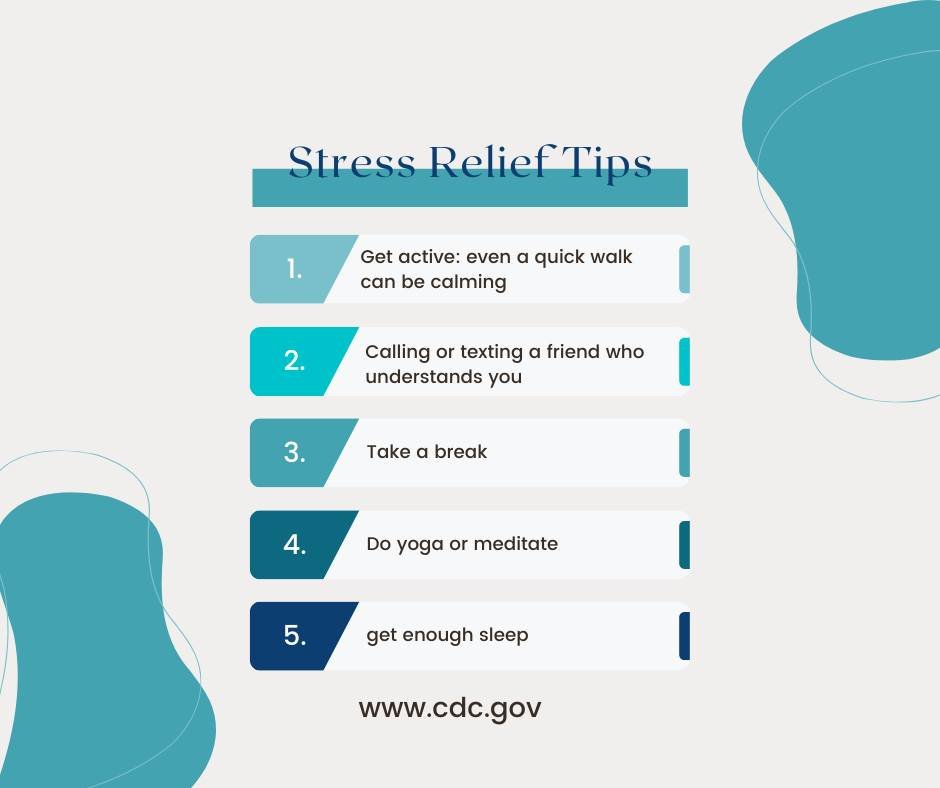
Breathe deeply now. Wait, that sounds too simplistic for the chaos we juggle daily, doesn’t it? Yet, in a world where stress lurks around every corner—from endless emails to family demands—ignoring it can lead to burnout, health issues, and a dimmed zest for life. This article dives into tutorials for stress relief techniques, offering you practical, lifestyle-friendly strategies that go beyond quick fixes. By the end, you’ll discover how these methods can restore balance, boost your well-being, and turn overwhelming days into manageable ones. Let’s explore together, because who wouldn’t want to reclaim their peace without resorting to fad trends?
My Unexpected Encounter with Stress and the Lessons It Taught
Picture this: I’m in the middle of a frantic house move, boxes everywhere, and that familiar knot in my stomach tightening like an old shoelace. Stress hit me hard that day, not just as a fleeting annoyance but as a full-blown storm cloud that shadowed my every decision. I remember thinking, “Why didn’t I see this coming?” It’s a personal tale I share because it’s real—complete with the sweaty palms and racing thoughts that make stress feel so unrelenting. As someone who’s dabbled in various lifestyle tweaks, I firmly believe stress isn’t just an enemy; it’s a signal to pause and recalibrate.
One technique that pulled me through was progressive muscle relaxation, a simple tutorial you can follow anywhere. Start by tensing your toes for five seconds, then release—feel that wave of relief? It’s like deflating a balloon after holding it too long. This method, rooted in my own trial and error, highlights how physical awareness can ease mental tension. Stress relief techniques like this aren’t magic; they’re tools for everyday life, especially in a fast-paced culture where “burning the candle at both ends” is almost a badge of honor. And just when you think it’s too basic, remember, it’s the small wins that add up.
From Ancient Roots to Today’s Hustle: A Cultural Shift in Stress Management
Ever wonder how our ancestors handled stress without smartphones or therapy apps? Take the Japanese practice of Shinrin-yoku, or forest bathing, which dates back centuries. It’s not just a walk in the woods; it’s an immersive experience that contrasts sharply with modern urban grind. In my opinion, this cultural gem underscores how we’ve lost touch with nature’s calming effects amid our digital obsessions. Here in the West, we might call it “getting back to basics,” but it’s more than that—it’s a reminder that tutorials for stress relief can draw from history to fix present woes.
Compare that to the American “power nap” culture, inspired by figures like Thomas Edison, who napped to fuel innovation. A quick table might help clarify:
| Technique | Origin | Benefits | Drawbacks |
|---|---|---|---|
| Shinrin-yoku (Forest Bathing) | Japan, ancient | Reduces cortisol, boosts mood | Requires access to nature |
| Power Nap | Modern West | Quick energy boost, improves focus | Can disrupt sleep patterns if overdone |
This comparison shows how blending old and new can create a personalized approach. I mean, who knew that stepping away from the screen could be as effective as a coffee break? It’s a truth that’s often overlooked in our “hustle harder” mentality, yet it proves that ways to reduce stress are as varied as our backgrounds.
The Silent Saboteur: Unmasking Stress with Everyday Fixes
What if I told you that stress often sneaks in through the back door, disguised as “just another busy day”? It’s like that plot twist in “Inception” where dreams within dreams blur reality—except here, it’s your mind playing tricks. To counter this, let’s try a mini experiment: Right now, close your eyes and focus on your breath for one minute. Notice how your thoughts wander? That’s stress at work, but here’s the irony—acknowledging it is half the battle.
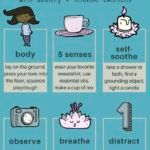
Building on that, guided imagery stands out as a go-to tutorial. Imagine you’re on a serene beach, waves lapping at your feet; it’s a mental escape that’s surprisingly effective. I’ve used it during deadlines, and let me tell you, it makes productivity a piece of cake. For beginners, start with 1. Find a quiet spot, 2. Visualize a peaceful scene, 3. Engage your senses—what do you hear, smell? This step-by-step approach to mindfulness exercises isn’t about perfection; it’s about progress. And that’s when it hits you, how these simple techniques weave into your lifestyle without overwhelming your routine.
In wrapping up, think about this twist: What if stress isn’t the villain, but a catalyst for growth? By incorporating these tutorials, you’re not just relieving stress; you’re building resilience that sticks. So, take action—try the progressive muscle relaxation I mentioned earlier, right now. What’s one stress relief technique you’ve overlooked that could change your daily life? Share in the comments; I’d love to hear your thoughts and swap stories.